COLORSTEEL® vs Traditional Roofing: Which is Best for Your Wellington Property?
If you’re building or renovating in Wellington, one big decision you’ll need to make is what kind of roofing to go with. It’s not just about keeping the rain out (although, let’s be honest, in Wellington that’s pretty important!)—it’s about choosing a material that suits your lifestyle, the local climate, and your long-term plans for your home or investment property.
Two of the most common choices you’ll come across are COLORSTEEL® and traditional roofing materials like concrete tiles, clay tiles, or corrugated iron. So how do you know which is right for your property? Let’s break it down and help you make a confident, informed choice.
Get a Free Estimate

1. The Wellington Weather Test: How Each Roof Stands Up
Wellington isn’t exactly known for calm, predictable weather. Between the southerlies, sea spray, and the occasional hailstorm, your roof takes a real beating. So durability should be high on your priority list.
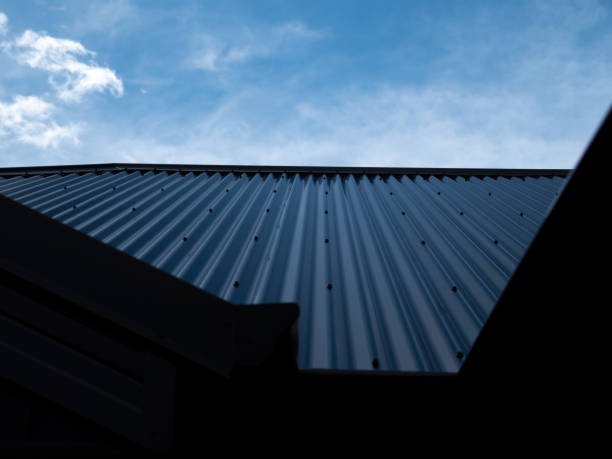
COLORSTEEL® is designed for exactly this kind of environment. Made right here in New Zealand, it’s built to handle coastal conditions, high winds, and heavy rainfall. It’s made with a zinc-aluminium alloy coated steel base and finished with a baked-on paint system that resists chipping and corrosion. That means you’re not going to see rust streaks or flaking paint after a few seasons of salty air.
Traditional roofing like concrete or clay tiles are also durable—but in a different way. They’re heavy, which can be good in high winds (less likely to lift), but they’re also brittle. One solid knock from a fallen branch or foot traffic during maintenance, and you could be looking at cracked tiles. That’s not ideal when you’re perched in a Wellington hillside suburb or near the rugged coast.
Plus, tiles tend to absorb water over time. That might not be an issue in a dry climate, but in Wellington’s damp, misty weather, it can mean moss growth and extra maintenance. COLORSTEEL®, by contrast, is non-porous and dries quickly after rain—something that matters more than you’d think when you’ve got weeks of wet weather ahead.
2. Looks, Longevity, and Lifestyle
Let’s face it—you want your home to look good. Whether it’s a modern build in Mount Victoria or a classic villa in Karori, the roof plays a big role in your home’s overall aesthetic.
COLORSTEEL® gives you a sleek, modern look that fits beautifully with both contemporary and traditional styles. The colour options are wide-ranging and earthy, designed to blend in with New Zealand’s natural landscapes. Want something bold and dark to contrast white weatherboards? Or a subtle grey that won’t distract from your garden? There’s a shade for that.
Tiles, on the other hand, are classic. If you’re restoring a heritage home or aiming for that Mediterranean feel, they definitely have a place. But you’ll need to keep in mind the weight—traditional tiles are heavy, and your roof framing needs to be designed to carry the load. If you’re doing a retrofit, that could mean extra costs.
In terms of lifespan, both have their strengths. COLORSTEEL® roofing, when installed correctly and maintained well, can last 30+ years. The protective coating helps prevent rust and UV damage, and because it’s a continuous sheet system, there are fewer places for leaks to form.
Tiles can last longer—sometimes 50 years or more—but that doesn’t mean they’re maintenance-free. Moss removal, checking for broken tiles, and making sure your flashing and underlay stay intact are all part of the deal.
And then there’s the lifestyle factor. If you’re someone who values low-fuss upkeep, COLORSTEEL® might be your new best friend. It’s easier to clean, inspect, and maintain compared to tiled roofs, which often require professional help for even small repairs.
3. Value for Money: What You Get for the Price
Let’s talk numbers. You’re not just buying roofing materials—you’re investing in comfort, peace of mind, and future resale value. So how do these options compare when it comes to value for money?
COLORSTEEL® roofing tends to have a slightly higher upfront cost compared to some traditional materials, especially if you’re comparing it to basic corrugated iron or lower-end tiles. But what you’re really paying for is the performance, durability, and low maintenance that comes with it.
Think about it this way: if you’re planning to stay in your Wellington property for 10–20 years, that durability starts to pay off. You’ll spend less on repairs, less on ongoing maintenance, and you’ll likely get a better energy efficiency rating too—especially if you go with a lighter colour that reflects heat in summer.
With traditional tiled roofing, the initial cost can vary a lot depending on the material. Concrete tiles are usually more affordable than clay or slate, but they come with those extra maintenance needs over time. They’re also heavier, which can increase structural costs or complicate things during a renovation.
One place where tiles can win out is in resale value for character homes. Some buyers love the charm of a tiled roof on a vintage villa. But if your home is more modern or architecturally styled, buyers might be drawn to the clean lines and contemporary appeal of COLORSTEEL®.
And then there’s energy performance. COLORSTEEL® products come with options for solar reflectance and thermal efficiency, which is great if you’re trying to keep your home warm in winter and cool in summer—without overworking the heat pump.
Final Thoughts: So, Which Roof is Right for You?
At the end of the day, the best roofing option for your Wellington property depends on your goals. If you want a modern, low-maintenance, weather-resistant solution that still looks sharp year after year, COLORSTEEL® is tough to beat. It’s designed for New Zealand’s unique climate, and it handles Wellington’s extremes with ease.
On the other hand, if your priority is matching a specific style—especially for a character home—or if you’re prepared for more hands-on upkeep, traditional tiles could still have a place.
Either way, make sure you’re working with a trusted local roofer who understands Wellington’s unique demands and can guide you through the best option for your home, budget, and future plans.
Got questions or ready to talk roofing? We’d love to help. Reach out any time—we’re local, experienced, and here to make your roofing decision stress-free.
Choosing the Right Roofing Material
Wellington’s wind and coastal climate demand roofing that’s tough, lightweight, and resistant to corrosion. Here are some popular options:
✔️ COLORSTEEL® / Longrun Metal Roofing
Popular across Wellington for its durability and sleek look
Ideal for high-wind zones
Comes in a variety of colours
Low maintenance and long-lasting (up to 40+ years)
✔️ Asphalt Shingles
More common in residential settings
Good for insulation and curb appeal
Moderate lifespan (20–30 years)
Less ideal in high-wind areas unless installed with special care
✔️ Concrete or Clay Tiles
Very durable and aesthetically pleasing
Heavy—may require reinforced structure
Better for low-pitch roofs and homes with solid framing
✔️ Membrane Roofing (for flat roofs)
Ideal for commercial buildings and some modern homes
Waterproof and UV resistant
Requires expert installation and regular inspection
If you’re unsure, a roofing professional can help match your building type, budget, and location to the right product.
Understanding Council Requirements in Wellington
This part is often overlooked, but it’s critical. In Wellington, certain roofing projects require building consent, especially if you’re replacing more than 20 square metres or altering the structure.
Key Council Considerations:
Building Code Compliance: Your roof must meet NZ Building Code standards for durability, fire resistance, and moisture protection.
Heritage Buildings: Special rules apply if your home is in a heritage zone (common in areas like Thorndon, Mt Victoria, etc.)
Stormwater Management: If you’re changing your roof’s area or water runoff direction, additional drainage requirements may apply.
The good news? A local roofing contractor will usually handle the paperwork and work with Wellington City Council on your behalf.
Roofing for Commercial vs Residential Properties
While the basics are the same, business owners have a few extra factors to consider:
For Businesses:
Access and safety: Scaffolding and site management are often more complex
Minimising disruption: Work may need to be done outside of business hours
Flat roof solutions: Many commercial buildings use membrane systems that require specialist skills
Warranties and documentation: More formal requirements for large-scale property managers
For Homeowners:
Visual appeal: Style and colour choices can boost curb appeal
Energy efficiency: Roof insulation plays a bigger role in home comfort
Insurance requirements: Some policies require proof of roof condition or upgrades
What Does a New Roof Cost in Wellington?
Roofing costs can vary based on size, materials, access difficulty, and structural repairs needed. As a rough estimate:
Residential homes: $15,000–$30,000
Commercial buildings: $30,000 and up (depending on scale and materials)
Don’t let sticker shock scare you off. A new roof is a long-term investment in protection, property value, and peace of mind. Plus, financing options may be available.
How to Choose the Right Roofer
Not all roofing contractors are created equal—especially in a place like Wellington.
Look for:
Licensed Building Practitioners (LBPs)
Local experience (especially with Wellington council rules and weather)
Solid references and reviews
Clear, written quotes
Workmanship and product warranties
A good roofer won’t just give you a roof—they’ll give you confidence that your home or building is in safe hands.
