
Lightweight and Attractive
Asphalt shingles offer a textured, traditional look at a lower weight than tiles, making them suitable for many existing structures without requiring expensive additional framing or reinforcement, from a local team.

Asphalt shingles are flexible, layered tabs of reinforcing mat coated in bitumen and finished with mineral granules. They are less common in New Zealand than metal or tile, but they suit roofs that sheet materials struggle with: steep pitches, turrets, cones, curved eyebrows and complicated roofs with many hips and valleys. You'll see asphalt shingle roofing in Wellington on character homes, some 1990s and 2000s houses and architectural additions.
Shingles are only as good as what sits beneath them and how well they are nailed. They need a continuous, solid deck, a proper underlay and a fixing pattern that suits the wind on your site. We install shingle roofs, replace lifted or missing shingles after storms, treat moss on shaded faces and repair the flashings around chimneys, walls and valleys where shingle roofs most often leak.
Asphalt shingles offer a textured, traditional look at a lower weight than tiles, making them suitable for many existing structures without requiring expensive additional framing or reinforcement, from a local team.
Correct nailing patterns and starter strips matter in Wellington's gusty conditions. We install shingles to manufacturer wind ratings so they stay firmly attached through storms and seasons, backed by experience.
We repair lifted, cracked or missing shingles and replace aged roofs entirely, matching colours where possible and restoring reliable, long-lasting weather protection for your home, by an experienced local team.
Unlike metal sheet, shingles cannot span between battens. The layers underneath do much of the work, so we check each one on every shingle job, new or repair.
Shingles are laid on a continuous deck. Plywood sheets fixed to the rafters, with small expansion gaps at the joins, give a flat, stable surface that holds nails firmly and doesn't telegraph bumps through the finished roof.
Some older Wellington homes have board sarking over the rafters. If it is sound, flat and well fixed, it can carry shingles. Split, cupped or rotten boards are replaced or overlaid before any new shingles go on.
Underlay over the deck is a second line of defence against wind-driven rain. At eaves and valleys, where water concentrates, a self-adhesive underlay adds extra protection. See roof underlay and sarking.
Metal drip edges along the eaves and verges carry water clear of the fascia and into the spouting. Without them, rain wicks back under the first course and rots the edge of the deck and the fascia board.
A starter strip at the eaves gives the first course something to bond to. Its sealant line holds the bottom edge down, which matters because eaves and verges take the strongest uplift in a Wellington gust.
Because shingles sit on a solid deck, the roof space needs airflow to stop condensation rotting the plywood from below. We check eave and ridge ventilation as part of every shingle roof we install.
Because each shingle is small, the roof can bend around curves and step neatly over changes in pitch. That makes shingles a good fit for turrets and conical roofs on character homes, steep A-frames, eyebrow dormers and roofs with many short hips and valleys, where cutting metal sheets would leave a lot of joins. Shingles also need a minimum pitch to shed water, so they are not a choice for low-slope extensions.
On a turret we cut and lay shingles in narrowing courses toward the point and finish with a custom cap or finial flashing. Valleys can be woven, closed-cut or lined with metal, depending on the shingle and how much water the valley carries. These details take time, and they are where careful workmanship shows.
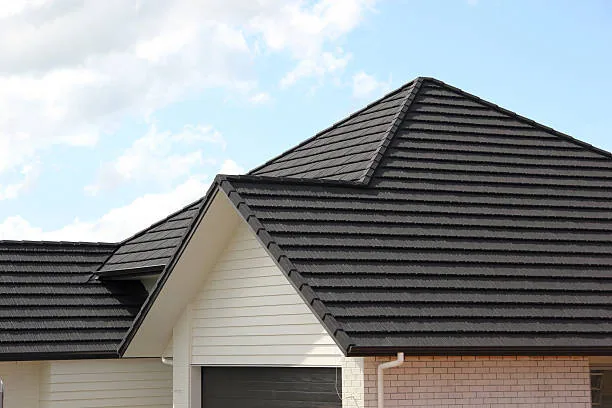
Each shingle has a strip of sealant that bonds it to the course below once the sun warms it. On shaded south faces, or after installation in a cold spell, that bond can take a long time to form. Until it does, a strong northerly or southerly can flip tabs up, crease them and eventually tear them off. On exposed Wellington sites we follow the manufacturer's high-wind nailing pattern, and where tabs haven't sealed we can hand-seal them.
Moss and lichen are the other common problem, especially under trees and on damp faces in suburbs like Wadestown and Eastbourne. Moss lifts shingle edges and holds water against the granules. We treat it with a suitable biocide and remove it gently, because pressure washing strips the granules that protect the bitumen from UV. Bald patches, curling edges and granules piling up in the spouting are signs the roof is wearing out.
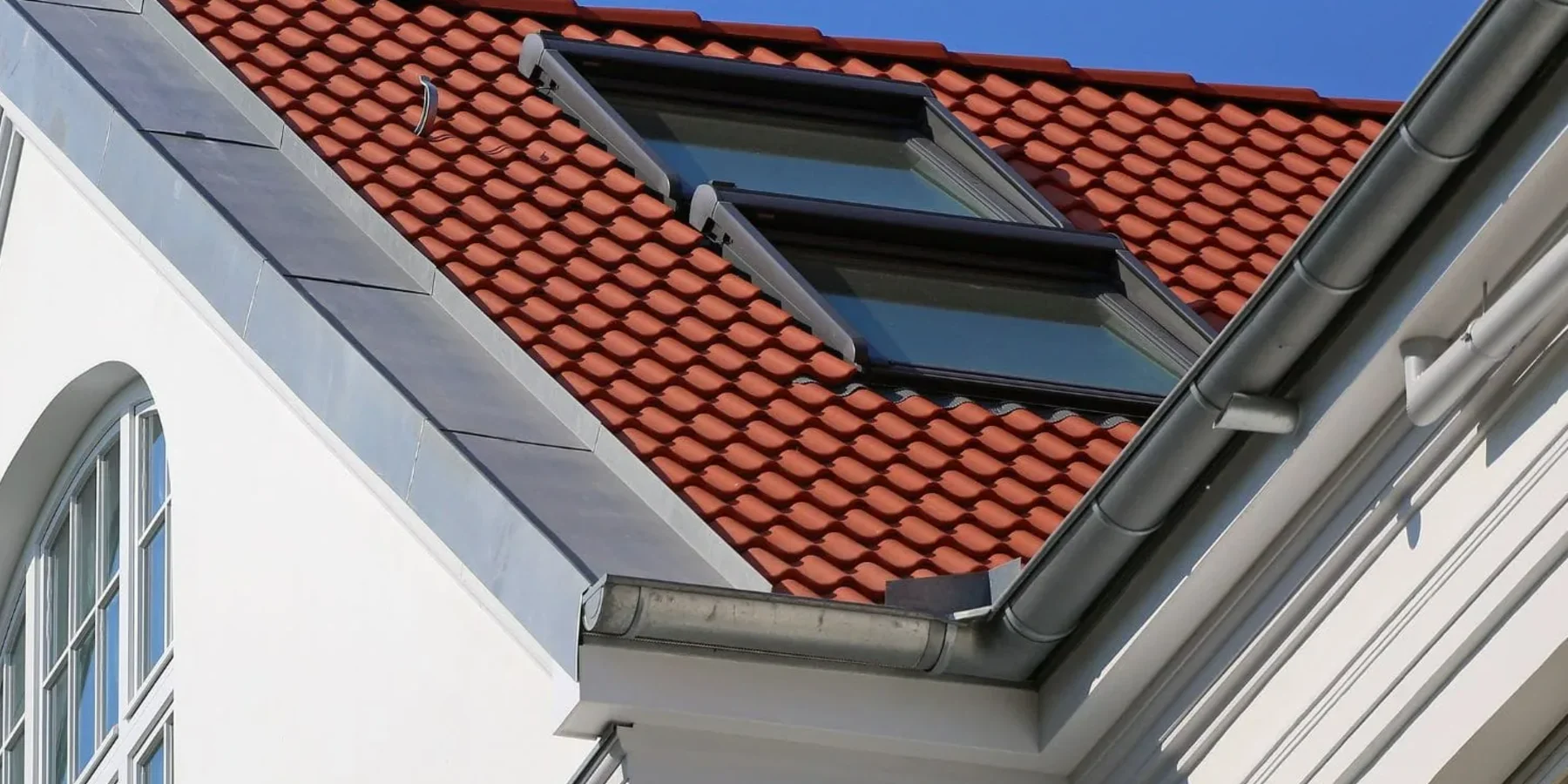
Most shingle roofs we see need targeted repairs rather than replacement, but we'll tell you when patching no longer makes sense.
We break the seal on the courses above, remove the damaged shingle's nails, slide in a replacement, nail it and reseal the tabs. Done carefully, the repair is hard to spot and as wind-resistant as the surrounding roof.
Cap shingles along ridges and hips take the full force of the wind and crack as they age. We replace split or missing caps, nail them to the manufacturer's pattern and seal them so the next storm cannot peel them back.
Step flashings at walls, chimney flashings and valley linings are where shingle roofs leak most. We replace rusted or poorly lapped flashings and lay the shingles back over them properly. See flashing installation and repair.
Shingle colours fade and product ranges change, so an exact match is not always possible on an older roof. We find the closest current product and tell you before we start how close the match will be.
A leak left for a winter can soften the plywood beneath. We lift the shingles around the area, cut out the damaged sheet back to sound framing, fit new plywood and underlay, then relay the shingles to match.
When the roof is curling, bald or brittle, patching becomes poor value. We strip to the deck, repair or replace the plywood, lay new underlay and shingles, or talk through switching material. Our reroofing page explains the process.
Asphalt shingles look great and weigh less than tiles, but in Wellington's gusty conditions installation quality makes all the difference. Our contractors follow manufacturer nailing patterns, use proper starter strips and seal tabs correctly, so shingles stay firmly attached when the wind picks up. We install flashings, ridge caps and underlay carefully to keep water out of vulnerable areas. If your roof has lifted, cracked or missing shingles, we repair them and match colours as closely as possible. When a full replacement is the better choice, we say so plainly and provide a clear quote. You get a handsome, dependable roof installed with care. Talk to our friendly team about your project.
Shingle roofs often need help from these related services, especially the underlay, ventilation and flashings beneath and around the shingles.
Call our team if you need advice for your property or roofing project.
04 888 0115They can be, when they are laid on a solid deck, nailed to the manufacturer's high-wind pattern and properly sealed. Most wind damage we repair comes from shingles that were under-nailed or never bonded on a shaded face. On very exposed sites we check the product's wind rating against the site before recommending shingles at all.
Not over metal or tile. Shingles need a continuous, flat deck to nail into, so an existing sheet or tile roof has to come off and plywood or sound sarking goes on. Laying new shingles over old ones hides deck damage and adds weight, so we strip back and inspect instead.
The manufacturer sets the minimum pitch for each product, and shingles generally need a steeper roof than metal sheet. Below that, water can be driven back up under the tabs. For low-slope extensions and decks, a different material is the right answer. Our membrane roofing page covers options for flatter roofs.
Some loose granules wash off a new shingle roof in the first rains, which is normal. Ongoing heavy granule loss on an older roof means the surface is wearing, leaving the bitumen exposed to UV, and bald patches usually follow. If you are finding a lot of granules, have the roof inspected before leaks begin.
Moss thrives where the roof stays damp. Trimming overhanging trees, keeping spouting and valleys clear, and treating the roof periodically with a suitable product all help. Avoid scrubbing or pressure washing, which removes the granules. Shaded south faces may simply need treatment more often than sunny ones.
Experience a top-notch roofing services wherever you are in Wellington. Get in touch with our team and will come back with you a free, no-obligation estimate for any roofing service.