Wellington Tile Roofing

Concrete, Terracotta and Pressed Metal Tile Roofs
Tile Roofing

Tile Roofing in Wellington

Tile roofing in Wellington is common across the city's 1960s to 80s suburbs, from Karori and Johnsonville to the brick-and-tile homes of Lower Hutt. Most are concrete tiles, a smaller number are terracotta, and many more are pressed metal tiles that look like tile from the street but are formed steel. Each material ages differently and needs different repairs, so the first job is working out exactly what is on your roof.

A well-kept tile roof can stay weathertight for a long time, but Wellington tests it. Gusts lift loose tiles, earthquakes crack ridge mortar, and shaded south faces grow moss that holds water against the surface. We replace broken tiles, re-bed and re-point ridges, fix valleys and flashings, and tell you honestly when a tired tile roof is better replaced than patched again.

Free, no-obligation estimate

Get a Free Estimate

For urgent roofing enquiries, call 04 888 0115 after sending your details.

Tile Roofing

Tile Roofing Services in Wellington

Concrete and Terracotta Tiles

We install, repair and replace both concrete and terracotta tiles, offering classic appearance, excellent durability and strong thermal performance for Wellington homes seeking a traditional roofing style, backed by experience.

Tile Repairs and Replacement

Cracked, slipped or missing tiles let water in. We source matching replacements and refix loose tiles quickly, restoring protection and keeping your roof looking uniform and well maintained, on schedule.

Re-bedding and Pointing

Ridge and hip tiles need regular attention. We rebed and repoint with modern flexible compounds, ensuring your tile roof continues performing well through Wellington's storms and temperature changes, every time.

Tile Roofing

Three Kinds of Tile, Three Different Roofs

We identify the tile type, its profile and its condition before quoting, because a repair method that suits one material can damage another.

Concrete tiles

Moulded from sand and cement with a surface coating. Strong, but porous once the coating wears, which lets moss and lichen take hold. Concrete tiles are heavy, and older ones become brittle enough to crack under a careless foot.

Terracotta tiles

Fired clay, found on some older and Mediterranean-style homes. Glazed or unglazed, terracotta keeps its colour without painting. It is brittle, and replacements must match the profile and colour, which can mean sourcing salvaged stock.

Pressed metal tiles

Steel formed into tile-shaped panels, usually with a stone-chip or painted finish, and far lighter than concrete. Common problems are worn chip coatings, rusted edges and nails backing out, leaving small holes that leak in driving rain.

Tile Roofing

Broken Tiles, Ridges and Valleys

Most tile roof leaks come from a handful of places. Cracked or slipped tiles let rain straight onto the underlay, or onto the ceiling if there is none. Ridge caps bedded in mortar loosen as the mortar shrinks, weathers or cracks in an earthquake, and a southerly can then lift them off. Valleys silt up with moss and leaves until water overflows the valley iron, and apron flashings against walls and chimneys rust or pull away.

Ridge work is one of our most common tile repairs. We lift the ridge caps, remove the old bedding, re-bed on fresh mortar and finish with a flexible pointing compound that copes with small movement better than rigid mortar. Our ridge capping, re-bedding and re-pointing page covers the process in detail. For broken tiles we match the profile, slide in replacements and secure them, walking only where tiles are supported so we don't break more than we fix.

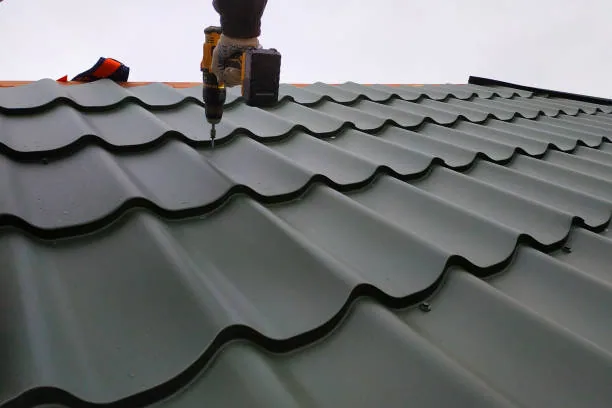
Roofer repairing a metal tile roof in Wellington
Tile Roofing

Weight, Structure and Changing Materials

Concrete and terracotta are among the heaviest roofing materials. That weight sits high on the house, which matters in an earthquake, and it is one reason many owners replace a tired tile roof with lightweight metal. Going lighter usually only needs a check of battens and fixings, though changing material may need building consent, and we'll confirm with council before work starts.

Going the other way is a bigger decision. Putting heavy tiles on a house framed for metal can overload rafters and bracing, so it needs an engineer's assessment before we can quote. Replacing tiles with a similar tile on the same structure is much closer to like-for-like.

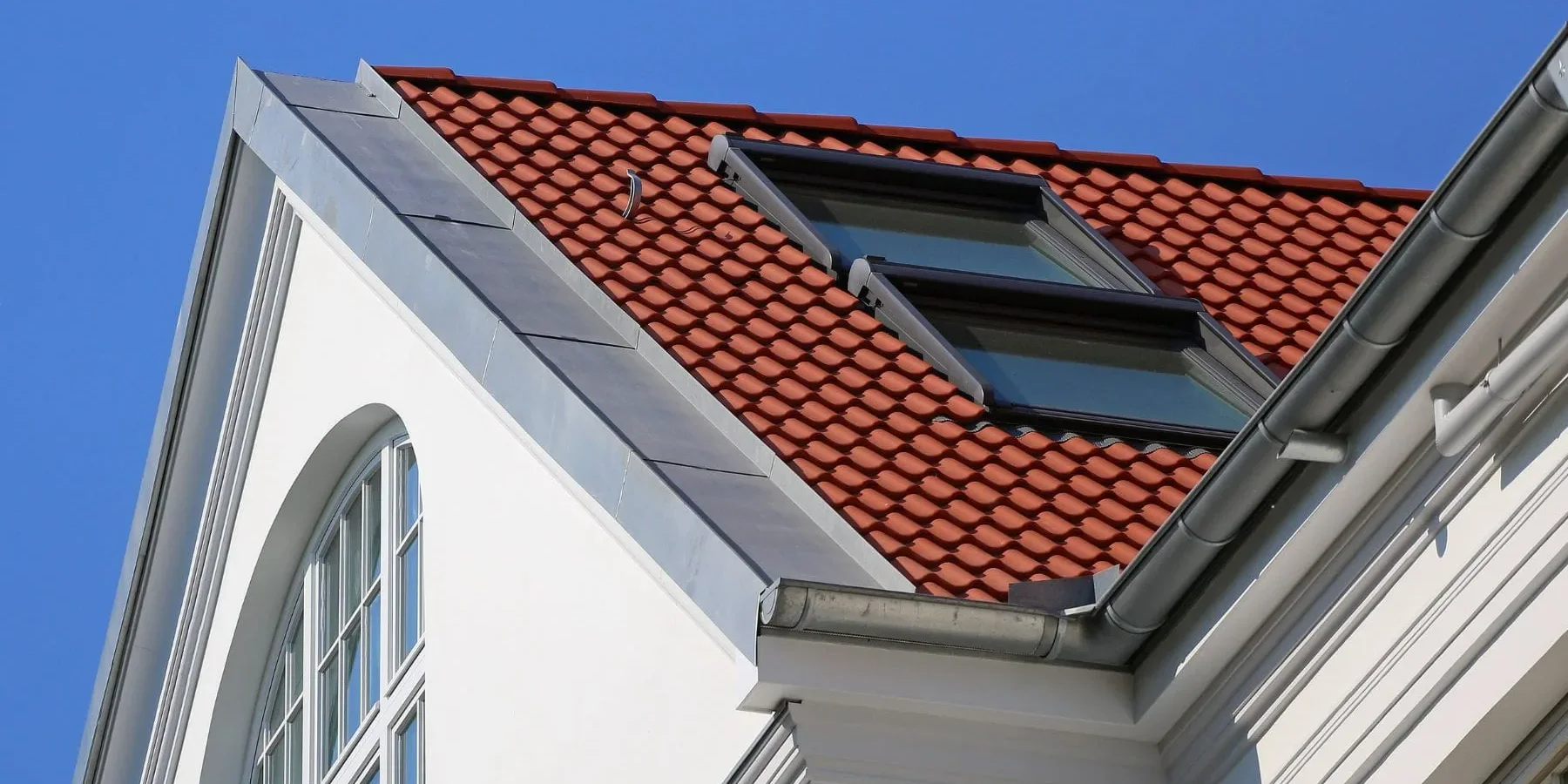
Terracotta tile roof with skylights on a white gabled home
Tile Roofing

How We Look After Tile Roofs

Tile roofs reward regular attention. Small faults caught early are cheap to fix, while a slipped tile left for a winter can rot battens and stain ceilings.

Inspection first

We check tiles, ridges, valleys, flashings and, where we can, the underlay from the roof space. You get photos and a clear list of what needs doing now and what can wait. See roof inspections and reports.

Moss and lichen treatment

We treat moss and lichen and clean tiles carefully. High-pressure water on old concrete tiles can strip the surface and drive water under the laps, so the cleaning method is matched to the condition of the tiles.

Restore or replace

Where tiles are sound but faded, cleaning, repairs and recoating can be worthwhile. Where many tiles are cracked or pressed metal has rusted through, reroofing is usually the better long-term spend, and we'll say so plainly.

Fixing for exposed sites

Tiles at edges, hips and ridges are the first to lift in strong wind. When we relay or replace tiles we fix them to suit the site's wind exposure rather than relying on their weight alone to hold them down.

Battens and underlay

When tiles are lifted for repairs we check the battens beneath for rot, borer and corroded fixings. Many older tile roofs have perished underlay or none at all, so we can relay sections over new underlay. See roof underlay and sarking.

Aerials, dishes and brackets

Aerials, satellite dishes and old solar brackets fixed straight through tiles are a common source of cracks and leaks. We remove redundant fixtures, replace the damaged tiles and refit anything that stays with brackets and flashings made for tiled roofs.

Tile Roofing

Why Choose Our Tile Roofing Contractors in Wellington

Tile roofs reward good workmanship, and our contractors bring the skill and patience that tiles demand. We install, repair and replace both concrete and terracotta tiles, matching colours and profiles carefully so repairs blend in rather than stand out. Ridge and hip tiles are bedded and pointed with modern flexible compounds that handle Wellington's storms and temperature swings. We walk tile roofs safely, avoiding the breakages that careless contractors cause, and we check battens, underlay and fixings as part of every job. Whether you need a few slipped tiles refixed or a complete new roof, you receive honest advice, clear pricing and a thoroughly finished result.

  • Careful matching of tile colours and profiles
  • Flexible bedding and pointing for longer life
  • Safe roof access that avoids breakages
  • Battens, underlay and fixings checked
  • Honest advice on repair or replacement
Tile Roofing

Related Services

Tile roof work often leads into one of these services, depending on the condition of the tiles, the ridges and the framing below.

Roofer repairing a metal tile roof in Wellington
Helpful answers

Tile Roofing FAQs

Call our team if you need advice for your property or roofing project.

04 888 0115
Can you match a broken roof tile on an older house?

Usually. Many concrete profiles are still made or can be found as salvaged stock, and we keep an eye out for both. When an exact match is impossible, a common approach is to take original tiles from a hidden area, such as behind a chimney or on a garage roof, use them on the visible faces, and put the closest available match in the hidden spot.

Is it safe to walk on a tile roof?

We don't recommend homeowners walk on tile roofs. Older concrete and terracotta tiles crack easily, particularly if you step in the middle of an unsupported tile, and a cracked tile may not leak until weeks later. Tiles are also slippery when damp or mossy. We use proper access equipment and step only where tiles are supported by battens.

Should I paint my concrete tile roof?

Recoating can refresh faded concrete tiles and seal a worn surface, but only once the roof is cleaned, moss is treated, broken tiles are replaced and ridges are sound. Paint won't fix cracked tiles or loose ridges. Our roof painting service covers the preparation and coating system in more detail.

Why are my pressed metal tiles losing their stone chips?

The stone-chip coating wears with age, sun and weather, and chips wash into the spouting. Once the base coating underneath is exposed, the steel is more vulnerable to rust. Tiles that are still sound can often be cleaned, repaired and recoated. Tiles with rust holes need replacing, and if that is widespread a full reroof is usually more economical.

Do I need a new tile roof after an earthquake?

Usually not. The most common earthquake damage on tile roofs is cracked ridge mortar, slipped ridge caps and a few broken tiles, all of which can be repaired. We inspect the roof and roof space, photograph what we find and give you a written report and quote, so you can see what needs doing and why.
Wellington Roofing

Get A Free Estimate For Any Roofing Services In Wellington

Experience a top-notch roofing services wherever you are in Wellington. Get in touch with our team and will come back with you a free, no-obligation estimate for any roofing service.