
Durable Membrane Systems
We install and repair flat roofs using TPO, PVC and torch-on membranes, giving Wellington homes and buildings a seamless, watertight surface that handles heavy rain and strong southerly wind.
A flat roof is never truly flat. Whether it sits over a garage, a 1970s extension, a commercial unit or a modern box-style home, it relies on a gentle, deliberate fall to move water to an outlet, and getting that fall right is most of what flat roofing in Wellington comes down to. When that fall is too shallow, sags over time, or drains to the wrong place, water sits on the roof and finds every weakness. We install, replace and repair flat and low-pitch roofs across the city, Lower Hutt, Upper Hutt and Porirua.
Wellington is hard on these roofs. Gusty northerlies peel at membrane edges and lift laps, horizontal rain is driven up and under cap flashings, and a low roof is often the one collecting leaves and runoff from the higher roofs around it. Getting the detail right at edges, outlets and wall junctions matters far more here than on a steep roof, where gravity does most of the work.
We install and repair flat roofs using TPO, PVC and torch-on membranes, giving Wellington homes and buildings a seamless, watertight surface that handles heavy rain and strong southerly wind.
Proper falls, outlets and overflow details stop ponding water, which is the main cause of premature flat roof failure. Our team designs every layout for fast, reliable runoff, every time.
Flat roofing suits extensions, garages, balconies and rooftop decks. We build low-maintenance, load-ready roof surfaces that integrate cleanly with your existing structure and comply with Building Code requirements, with care.
Ponding is water that stays on the roof long after the rain has stopped. It usually points to one of three things: the roof was built with too little fall, the framing or substrate has sagged, or the outlets are blocked or set too high. Standing water adds weight, speeds up the breakdown of membranes and coatings, and gives any small split a constant head of water to push through.
Before quoting, we check the fall with a level, watch where the water actually goes, and inspect outlets, overflows and the upstands at walls and parapets. If the substrate has dropped, the fix may involve re-forming the falls with tapered firring before any new roof goes on. Laying fresh membrane over a sagging deck simply puts a new skin on the same problem.
Puddles that remain a day or two after rain mean the fall or the outlet is not doing its job. Look for dirt rings and tide marks where water has collected and dried again and again.
Blisters form when moisture or air trapped under the membrane expands in the sun. Small ones can be stable for a while, but blisters that crack open let water straight into the substrate.
Wind works away at the perimeter first. Edges that flap, laps that have opened and trims that have come loose are common after strong gusts, and should be resealed before water tracks under them.
If the deck flexes when you walk on it, the plywood or timber beneath may already be wet. That usually changes the job from a membrane repair to replacing part or all of the substrate.
Brown rings, bubbling paint or a musty smell in the room underneath mean water is already getting through. The stain may not sit directly below the entry point, because water can run along joists first.
Where the membrane turns up a wall, parapet or penetration, movement is concentrated. Splits along these folds, or membrane pulling away from the wall, give wind-driven rain a direct path behind the roof.
There are two broad ways to roof a low-slope area. The right choice depends mostly on the pitch you have, or can create, and on how the roof will be used. Metal is often the more durable option where the pitch allows it, because it has fewer joins and sheds water quickly. Membranes win where the roof is close to flat, is walked on, or has to wrap around parapets and upstands. Our membrane roofing and metal roofing pages go into each in more depth.
Sheet membranes bonded to a plywood substrate, with seams lapped and glued. They suit very low falls, complex shapes and roofs with lots of penetrations, and they handle movement well when the substrate is sound and properly fixed.
Thermoplastic sheets whose seams are welded with hot air rather than glued. Welded seams are strong and consistent, which makes these membranes common on larger commercial roofs and areas with plant or regular foot traffic.
Layers of bitumen sheet bonded with heat. It is tough and widely used on commercial work, but the open flame needs careful management, so it does not suit every site or every detail near exposed timber.
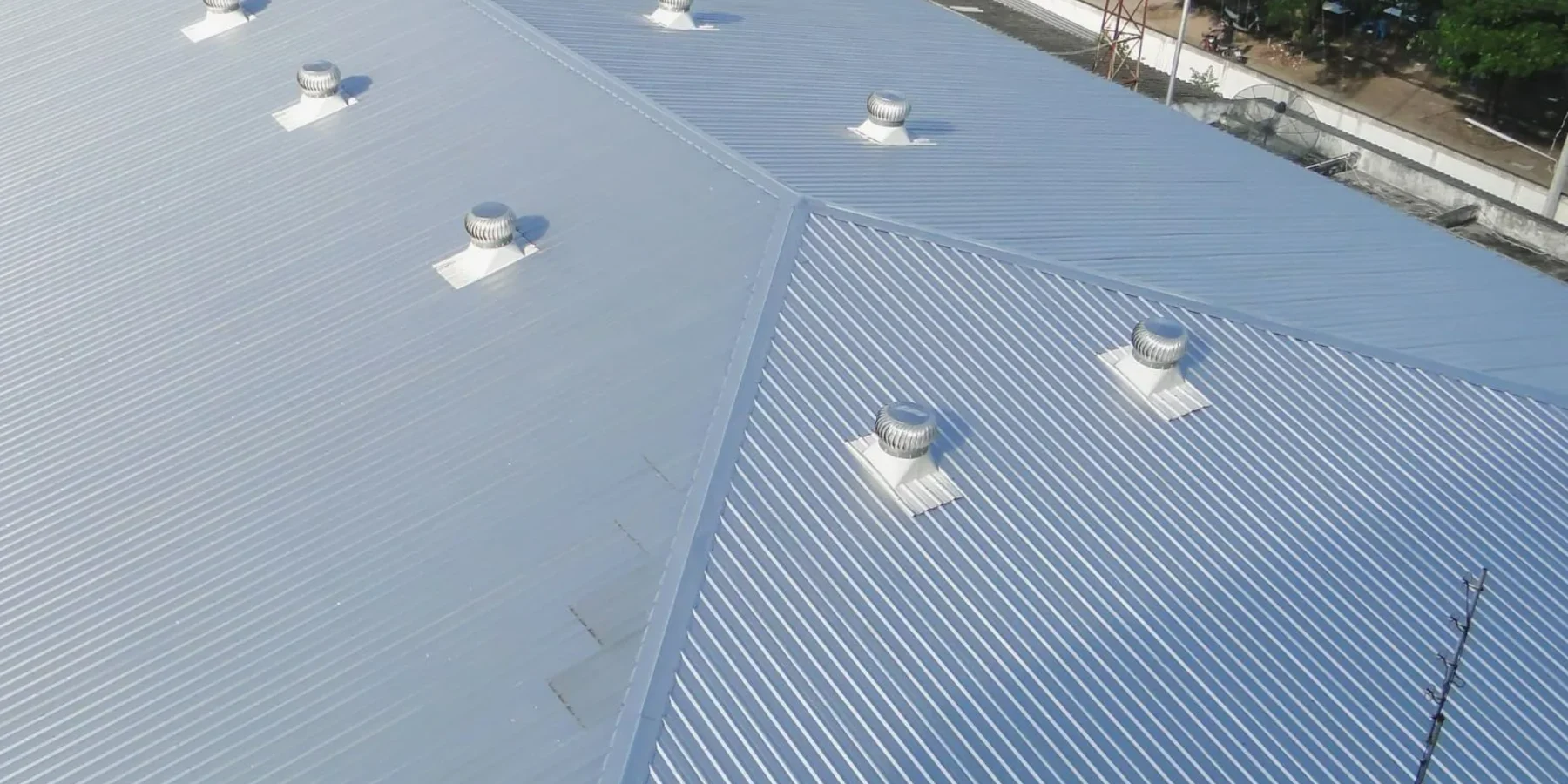
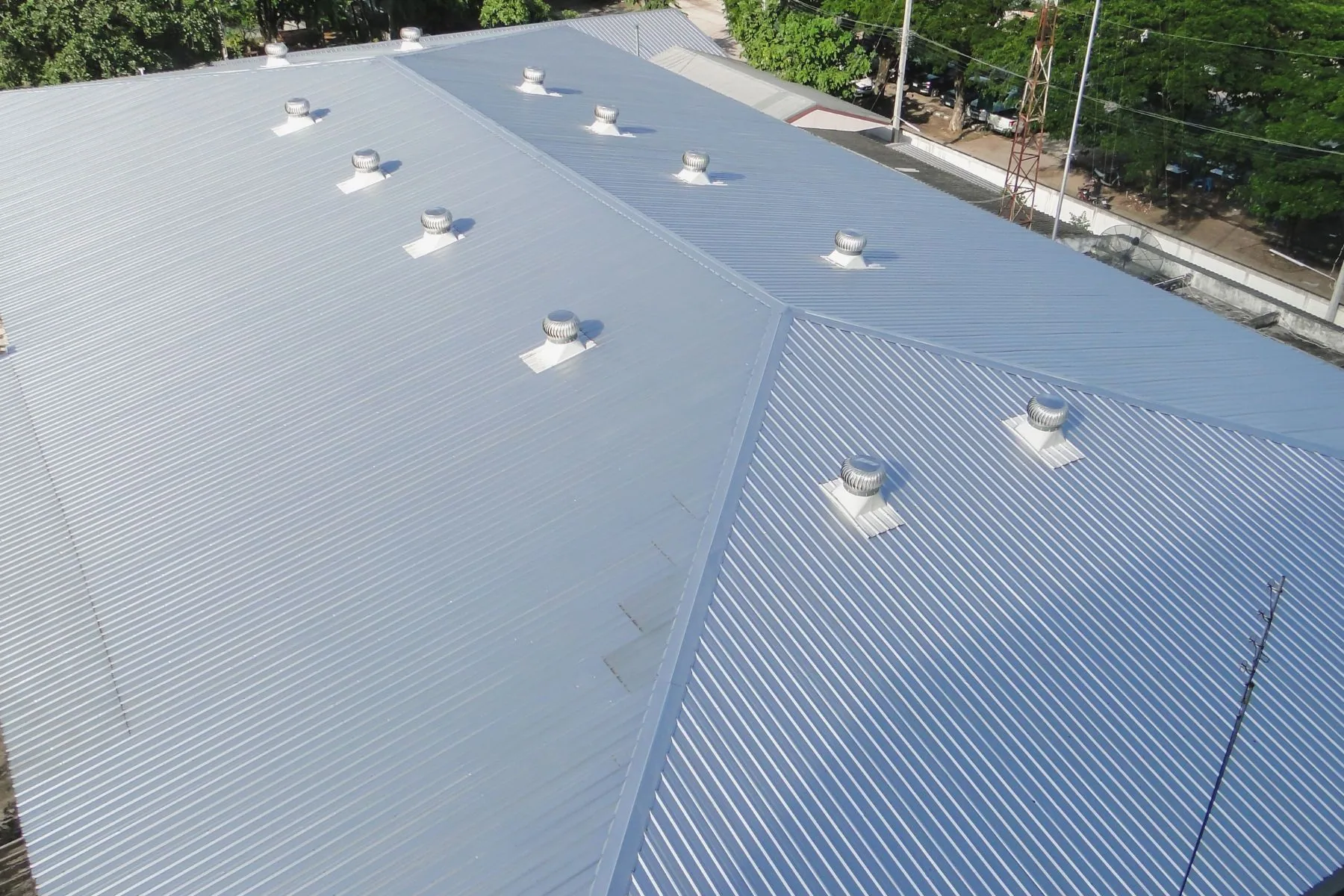
Trapezoidal, trough and standing seam profiles can run at much lower pitches than corrugate. The NZ Metal Roof and Wall Cladding Code of Practice sets the minimum pitch for each profile, and long runs need deeper ribs to carry the water.
Polyurethane or acrylic systems applied in several coats, with reinforcing fabric at corners and joints, that cure into a seamless skin. They suit roofs crowded with penetrations and awkward upstands, but the finished thickness depends on careful, even application.
Resin and glass-fibre matting laid in layers to form a hard, seamless surface. It suits small decks and roofs that are walked on, but it is rigid, so it needs a very stable substrate to avoid cracking where the deck moves.
Most flat roof work starts by stripping back to the deck so we can see the substrate. Wet or delaminated plywood is replaced, falls are corrected, and outlets are positioned at the true low points rather than wherever was convenient. Upstands are taken up walls and parapets high enough to stay above any water that collects, and every penetration is detailed with the right flashing or pre-formed boot for that system.
Edges are where wind tests a flat roof hardest, so perimeter trims and cap flashings are fixed to suit the site's exposure. Where the roof drains into an internal gutter, we look at that gutter and its overflow at the same time; a blocked box gutter with no overflow can push water back inside within minutes in a heavy downpour.
Replacing a flat roof like for like is often exempt from building consent, but changing from membrane to metal, significantly altering the falls, or reworking a deck over a living space may need consent. We'll confirm with council before work starts, and give you a written quote that spells out what is included.
Wellington's wind, driving rain and salt air are hard on flat roofs, which is why the details matter so much. Our flat roofing team starts by checking falls, drainage and existing substrate, then recommends a membrane system that suits your building, budget and exposure. Every join, upstand and outlet is installed to manufacturer specifications, so water has nowhere to go but away. Whether you own a home, a garage or a commercial building, you get clear communication from quote to completion, tidy sites and workmanship we are proud to put our name to. Here is what sets us apart: Contact our local team today and see the difference quality workmanship makes.
Flat roofs connect to several other parts of the building envelope. These related services cover the details that most often decide whether a low roof stays dry.
Call our team if you need advice for your property or roofing project.
04 888 0115It depends on the system. Membrane roofs and metal profiles each have their own minimums, set out in the acceptable solution for Building Code clause E2 and, for metal, in the NZ Metal Roof and Wall Cladding Code of Practice. Low-pitch metal needs noticeably more fall than a membrane. Rather than quote one number, we measure your roof and check the chosen product's requirements, because a manufacturer's literature can be stricter than the general minimum.
Sometimes, but rarely as a first choice. Overlaying hides the condition of the deck, can trap moisture, and may not be compatible with the existing material or the new product's requirements. If the old membrane is well bonded and the substrate is dry, an overlay can be an option. More often we strip it, check the plywood and start from a sound base.
Wind-driven rain behaves very differently from rain falling straight down. In a strong northerly or southerly, water can be pushed up under cap flashings, into laps that face the wind, or over upstands that are too low. If your leak only shows in particular weather, note the wind direction. It is one of the most useful clues when we trace the source.
It can, but a trafficable roof needs a membrane designed for foot traffic, or a separate deck surface that protects the membrane beneath. Decks over living spaces are a high-risk detail under E2, so falls, outlets, overflows and threshold heights at doors all need to be right. Our roof waterproofing page covers decks over rooms in more detail.
Experience a top-notch roofing services wherever you are in Wellington. Get in touch with our team and will come back with you a free, no-obligation estimate for any roofing service.