
Replacing Aged Skylights
Old skylights crack, fog and leak as seals fail. We remove the failing unit and install a modern, energy-efficient replacement that restores light and weather protection, with honest practical advice.
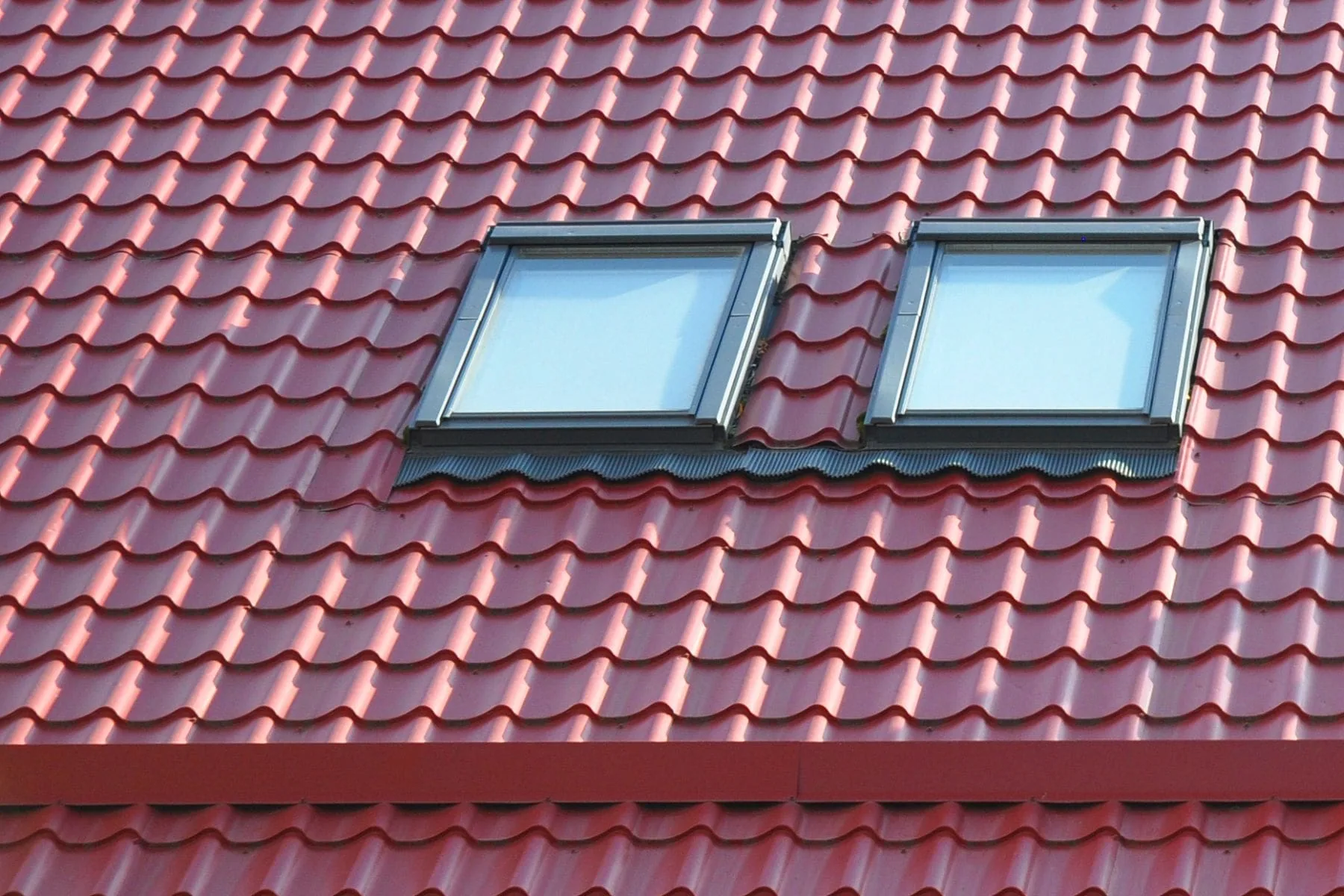
Plenty of homes built in the 1970s and 80s still have their original skylights: plastic domes that have yellowed and gone brittle, or single-glazed units in aluminium frames that drip condensation all winter, which is why skylight replacement in Wellington is such a common job. Replacement takes the old unit out, checks the framing and timber around the opening, and fits a modern double-glazed unit with a new flashing made for your roof.
Replacing a skylight is usually the sensible move once the unit itself is the problem rather than the roof around it. Old domes become easy to crack in a hailstorm or when a branch comes down, and the original flashings on many older units relied heavily on sealant. A new unit gives you clearer light, warmer glazing and a flashing system you can trust in a southerly. Our skylight overview explains the main unit types if you want to compare before you call.
Old skylights crack, fog and leak as seals fail. We remove the failing unit and install a modern, energy-efficient replacement that restores light and weather protection, with honest practical advice.
Where possible we choose replacement skylights that fit your current opening, avoiding structural changes, internal finishing work and unnecessary cost while giving you a noticeably improved result, from a local team.
Modern double glazed and low-e skylights reduce heat loss, glare and UV. Replacing an old unit is a great chance to improve comfort and cut your energy costs, on schedule.
One of these on its own may be fixable. Several together usually mean the unit has reached the end of its useful life and repairs will keep coming back.
Older acrylic and polycarbonate domes break down in UV light. They lose clarity, develop fine surface cracks and become brittle enough to shatter under a hailstone or a dropped tool.
Single glazing and uninsulated aluminium frames get cold enough on winter nights for moisture to condense and run down the lining, leaving stains, peeling paint and mould around the ceiling opening.
Mist trapped between the panes of a double-glazed unit means its edge seal has failed. The glass can sometimes be replaced alone, but in an ageing frame a new unit usually makes more sense.
If the skylight has been resealed repeatedly and still leaks, the problem is almost always the flashing design or a perished frame. More sealant will not change that.
Many older domes sit on a timber upstand. Once water has got into that timber it softens and stops holding fixings, which is a sign the whole assembly needs replacing.
On older opening units, the winders, hinges and seals for that model are often no longer made. If the sash will not seal shut and parts cannot be found, replacement is the practical answer.
If the framing is sound and a modern unit comes close to the existing size, we reuse the opening. That keeps the job contained to the roof and the top of the shaft, and the ceiling below usually only needs a new trim. Older skylights were often made in sizes that no longer exist, so we sometimes adjust the opening slightly with packing or a short new trimmer.
You can also take the chance to change the size. Going larger means trimming more framing and extending the ceiling opening, while going smaller means infilling part of the roof and patching the ceiling. Either way we check what the framing allows first and confirm with council if the change needs consent. Where the shaft itself needs rebuilding, our light well construction work covers framing, insulation and lining.
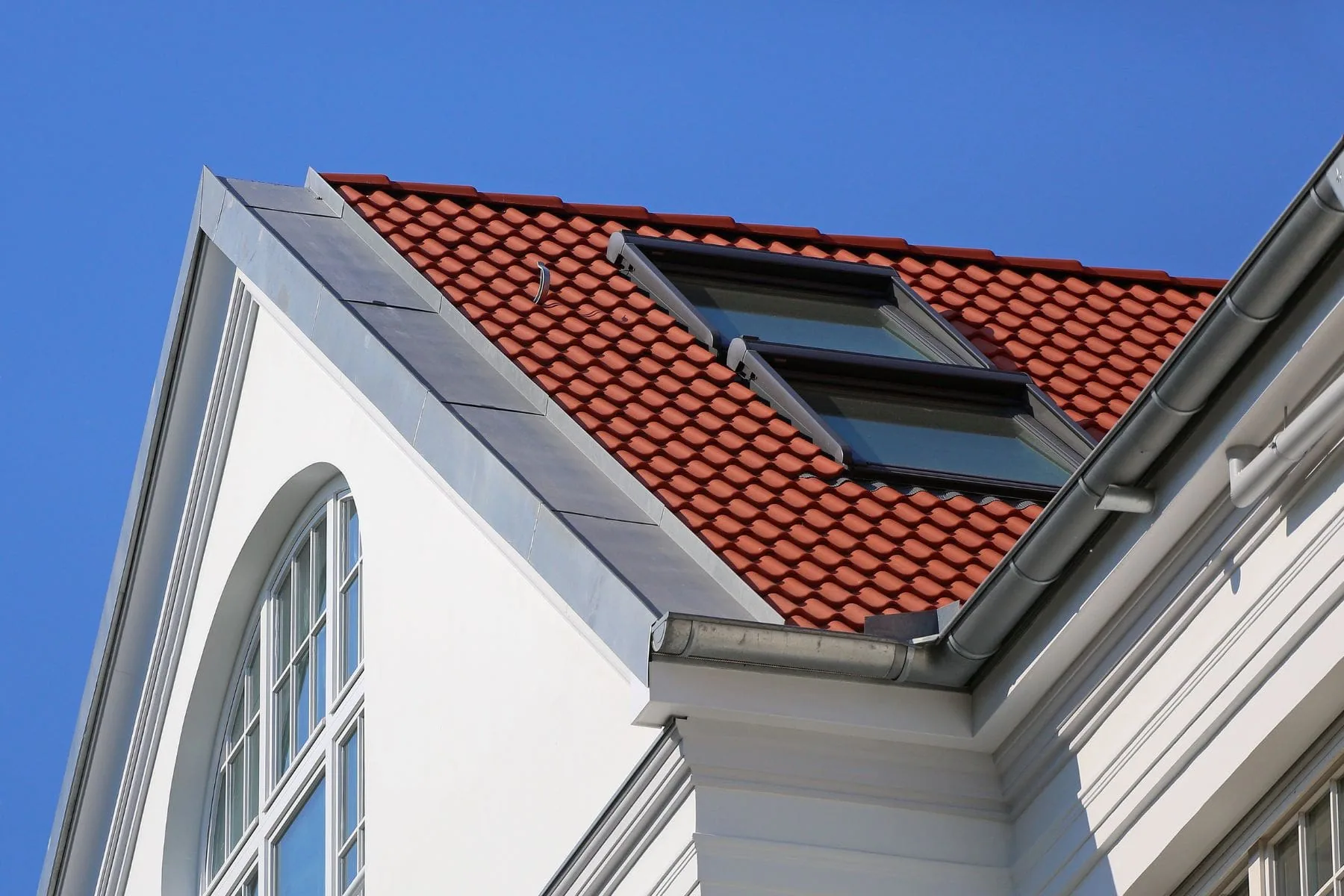
The difference between a 40-year-old dome and a current double-glazed skylight is noticeable from the first winter morning, both in the light and in how warm the room stays.
Two panes with a sealed gap, often with a low-emissivity coating, keep the inner pane warmer. That cuts heat loss through the roof and greatly reduces the condensation older units suffered from.
Older skylights often had bare aluminium frames that conducted cold into the room. Many current units use insulated or thermally broken frames, so the edge of the opening stays warmer and drier in winter.
Overhead glass should hold together if it breaks. A laminated inner pane stays in the frame when cracked, which is the safer choice above a bed, a bath or a busy hallway.
Rain and hail drum loudly on a thin plastic dome. Double-glazed glass is heavier and has a sealed gap, so a downpour sounds noticeably quieter in the room below, which matters over a bedroom.
Current units are designed to work with profile-matched flashing kits that shed water mechanically rather than relying on sealant, which suits Wellington's wind-driven rain far better than older designs.
Replacement is a good time to add an opening sash, a rain sensor or a fitted blind. Blinds made for the unit are covered on our skylight blinds and shades page.
We protect the room below with drop sheets and seal off the shaft before removing anything. The old unit and flashing come off, then we inspect the framing, underlay and roofing around the opening. Any soft timber is cut out and replaced, and damaged underlay is patched and lapped so water drains outward over the new work.
The new unit is fixed, the flashing kit is installed and lapped under the roofing above, and the roof is made weathertight before we move inside. Inside, we fit new trims or adjust the lining where the unit meets the shaft, then clean up. The old unit is taken away with the rest of the site waste.
Old skylights crack, fog and leak as their seals and flashings age, and patching them often only delays the problem. Our specialists remove the failing unit carefully, protect your interior and install a modern, energy-efficient replacement that restores light and weather protection. Where possible, we choose a skylight that fits your existing opening, avoiding structural changes and extra finishing costs. New double glazing and low-e options reduce heat loss, glare and UV, which improves comfort in Wellington's cooler months. We replace flashings at the same time, because reusing old ones invites leaks. Expect tidy work, honest advice and a noticeably brighter, drier home. Call us today and get straight answers about your project.
If a full replacement is more than you need, or you are weighing up other changes to the opening, these pages are worth a look.
Call our team if you need advice for your property or roofing project.
04 888 0115Yes. A skylight replacement only disturbs the roofing immediately around the opening. On metal roofs we may need to lift or replace the sheet above the unit so the new back tray can run under it. On tile roofs, the surrounding tiles are lifted and re-laid. The rest of the roof stays as it is.
Often it is. Single glazing loses a lot of heat through the coldest surface in the room and causes condensation that stains ceilings and feeds mould. If the room feels cold under the skylight or the shaft is always damp in winter, a double-glazed unit makes a real difference, even when there is no leak.
If the frame and flashing are sound and only the glazing has failed or cracked, glass replacement can be the better option. We cover that on our skylight glass replacement page. If the frame is corroded or the flashing relies on sealant, replacing the whole unit is usually the better long-term fix.
It is the ideal time. The roofing is already off around the opening, so new flashings can be integrated properly with the new sheets or tiles and the new underlay. Reusing an old skylight on a brand-new roof often leaves the weakest part of the roof untouched.
In many cases, yes. It means trimming additional framing, enlarging the ceiling opening and extending the shaft lining. Trussed roofs limit how far an opening can grow without a designed solution, so we check the framing first and confirm with council if the alteration needs consent.
Experience a top-notch roofing services wherever you are in Wellington. Get in touch with our team and will come back with you a free, no-obligation estimate for any roofing service.