
Protective Coating Systems
We apply high-quality acrylic and elastomeric coatings that form a durable protective layer, shielding your roof from UV, salt air and Wellington's relentless wind-driven rain, for Wellington homeowners and businesses.
Roof coating and sealing in Wellington is about protecting the parts of a roof that fail first, rather than changing how the whole roof looks. That means treating early rust before it spreads, sealing laps and fixings where water has started to get in, and applying protective coatings that bridge fine cracks or shield exposed areas. It is often the right step for a roof that is mostly sound but starting to show its age.
In Wellington, salt-laden wind, frequent rain and constant flexing in gusts work on laps, fixings and sheet ends long before the main surface wears out. Coastal homes from the south coast to Plimmerton see corrosion at laps and under overhangs early. Dealing with those spots promptly can put off much larger work, provided the underlying sheet is still sound.
We apply high-quality acrylic and elastomeric coatings that form a durable protective layer, shielding your roof from UV, salt air and Wellington's relentless wind-driven rain, for Wellington homeowners and businesses.
Failing laps, screw heads and joints are common leak points. We seal them carefully with compatible products, restoring watertight performance without needing to replace the entire roof, backed by experience.
Coating and sealing is a cost-effective alternative to replacement for roofs in reasonable condition, delaying major expense while improving weather resistance and overall appearance, using quality materials and proven methods.
Roof painting is mainly about restoring colour and a weathering topcoat across the whole roof. Coating and sealing is about function: specific products for specific problems. That might be rust treatment and an anti-corrosive primer on a corroded lap, sealant and rivets on an open lap, a flexible coating over cracked concrete or a worn membrane, or a clear sealer on porous tiles. Some jobs combine both, with sealing and spot treatment done before painting.
When a roof needs several of these together, plus painting and repairs, that larger package is what we call roof restoration. This page covers the targeted work, which can be done on its own or as part of a restoration.
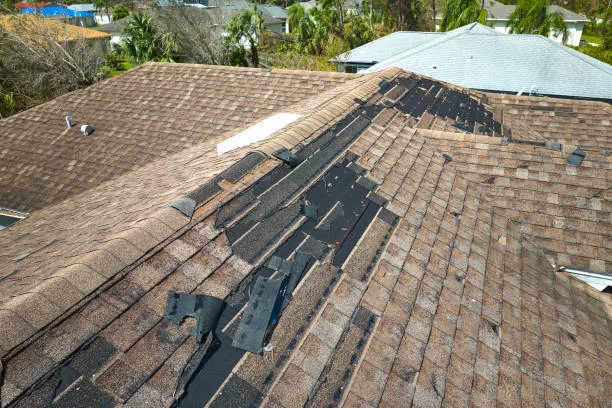
Each treatment is matched to a particular problem on a particular material. These are the ones we use most on Wellington roofs.
Surface rust is wire-brushed or ground back to sound metal, treated, then primed with an anti-corrosive primer suited to the substrate. Rust that has perforated the sheet is beyond treatment, and that sheet or section needs replacing.
Sheet ends at the spouting line and cut edges around penetrations are where coastal corrosion often starts. They are cleaned back, treated and primed, then coated so salt and moisture cannot creep under the paint film.
Laps that have opened, or where corrosion has started between sheets, are cleaned, sealed with a compatible sealant and closed with rivets or stitching screws, so the sealant is not doing the structural work alone.
Fixings with perished washers or corroded heads are replaced with new screws and washers, using oversized fixings where holes have enlarged. Smearing sealant over a failing fixing rarely lasts.
Elastomeric coatings can bridge hairline cracking and add a protective layer on suitable surfaces, including some membranes and concrete. They need a clean, sound surface and the right primer to bond.
Concrete tiles become more porous as their surface wears. A breathable sealer can reduce water absorption and slow moss regrowth after cleaning, but it does not fix cracked or broken tiles.
The wrong product can make things worse. Acid-curing silicones release acetic acid as they cure and can corrode metal roofing, so metal roofs need neutral-cure sealants compatible with the coating. Some sealants and coatings will not bond to ZINCALUME or pre-painted steel without the right primer, and some are not suited to surfaces that sit wet. We match each product to the roof material and the job.
Sealant also has limits. It is a backup to good flashing and fixing details, not a replacement for them. Where a leak comes from a flashing that is too short, a penetration without a proper boot, or an undersized valley, we will tell you the honest fix, which might be flashing installation and repair rather than another tube of sealant.
Coatings also need the right conditions. Most need a clean, dry surface that stays dry while they cure, and many have temperature and humidity limits on the label. In Wellington that means planning around the forecast and sometimes waiting for a settled spell rather than pushing on through a damp day.
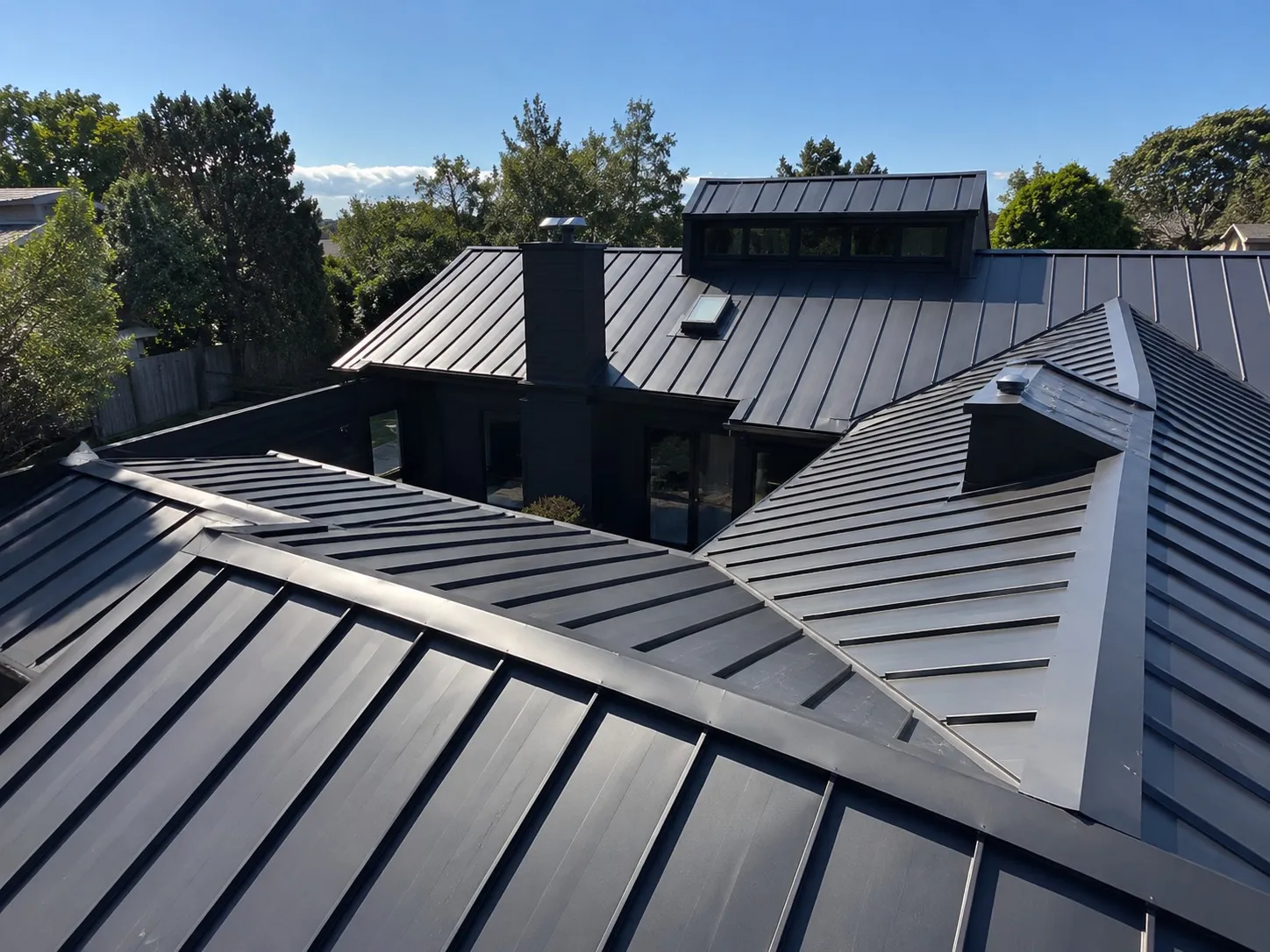
A good coating can add years to a tired roof, but only when it is applied properly to a well-prepared surface. Our contractors begin by cleaning, repairing and priming the roof, because coating over dirt, rust or loose paint simply fails early. We then apply quality coatings and compatible sealants to seams, laps and fixings, creating a durable barrier against UV, salt air and Wellington's driving rain. We will always tell you honestly if your roof is too far gone for coating and replacement makes more sense. When coating is the right answer, it delivers excellent value and a refreshed appearance without the cost of a new roof.
These services cover the wider work that coating and sealing often sits alongside, from a full repaint to flashing and gutter repairs.
Call our team if you need advice for your property or roofing project.
04 888 0115Not quite. Roof paint is a coating, but it is chosen mainly for colour, appearance and weathering across the whole roof. Protective coatings and sealants target specific problems, such as rust, open laps, cracks or porous surfaces. Many jobs use both: problem areas are treated and sealed first, then the roof is painted.
If the leak comes from an open lap or a failed fixing, sealing and re-fixing may well solve it. If the cause is a poorly designed flashing, a missing penetration boot or a blocked valley, sealant will at best delay the next leak. We find the source first, using our leak detection process, then recommend the right repair.
A neutral-cure sealant that is compatible with the roof coating, ideally one the cladding manufacturer approves for use with their product. Acid-curing silicones, the kind that smell of vinegar, can corrode metal roofing and should not be used. The joint should also be fixed mechanically with rivets or screws, so the sealant only has to keep water out, not hold the sheets together.
It can help a sound roof last longer by protecting areas that are starting to wear, but it cannot reverse serious corrosion or fix structural problems. How much difference it makes depends on the roof's condition, its exposure and how well it is maintained afterwards. We give you an honest view of whether coating is worth it, or whether the money is better put towards replacement.
Yes. Paint applied over active rust traps it, and the corrosion keeps spreading underneath until the paint lifts. Rusty areas need to be cleaned back, treated and primed first, and open laps and failing fixings sealed or replaced. Done in that order, the paint has a sound base and the weak points are protected rather than hidden.
Experience a top-notch roofing services wherever you are in Wellington. Get in touch with our team and will come back with you a free, no-obligation estimate for any roofing service.