
Natural Slate Installation
Natural slate is one of the most durable roofing materials available. We install it carefully, delivering a refined, timeless appearance that can last well over a hundred years, with care.
Natural slate is rare in New Zealand. Most of it was imported in the 19th and early 20th centuries, and today it survives on a small number of churches, public buildings and grand older homes; slate roofing in Wellington is limited to a few of these, mostly in the inner suburbs. Slate is split from stone rather than manufactured, so the slate itself is often still sound long after the nails, battens and flashings holding it have worn out.
That is the key to looking after a slate roof: most problems are with the fixings and the details, not the stone. Slates slip when their nails corrode, ridges loosen, and lead or metal flashings tire. We repair slate roofs with matching slate and traditional methods, keep the original character intact, and tell you plainly when a roof has reached the point where a full strip and re-slate is the right step.
Natural slate is one of the most durable roofing materials available. We install it carefully, delivering a refined, timeless appearance that can last well over a hundred years, with care.
Slipped, cracked or missing slates are repaired by hand using traditional techniques and compatible fixings, preserving heritage character while keeping your Wellington roof watertight and structurally sound, from day one.
Many older Wellington buildings feature slate roofs. We understand the skill involved and work respectfully to maintain original details while meeting modern performance expectations, with clear communication and honest advice.
When we inspect a slate roof, we look past the obvious broken slate to find out why it failed, because the same cause is usually affecting its neighbours.
Slates are hung on nails through holes near their heads. Iron nails rust over decades until slates slide out of place, often several in one area. A row of slipped slates is usually a sign the nails are failing, not the slate.
A slate can crack under foot, from a falling branch or from frost. Lower-quality slate can also flake in layers. Individual damaged slates are replaced, while widespread flaking means the slate itself is near the end of its life.
Ridges on slate roofs are often clay or stone cappings bedded in mortar, or metal rolls. Mortar loosens with age and earthquakes, and Wellington wind finds any gap and works it larger.
Old lead and zinc soakers, aprons and valleys split and corrode. Because slate is fragile to work around, flashing repairs need careful removal and refixing of the surrounding slates.
Sealant or bitumen smeared over cracks traps water against the slate, and replacement slates nailed through their faces leave holes that leak. Leaks on slate roofs often trace back to an earlier quick fix rather than the original work.
Moss and leaf litter packed between slates hold water against the stone and the nails beneath. Water can then be drawn up between overlapping slates, reaching battens that should stay dry.
A good repair uses slate of the same size, thickness and colour as the original. Slate available today comes from different quarries from the original, so we match by measurement and by eye, and we look for reclaimed slate where a close match matters on a front elevation. A mismatched or thicker slate sits proud and can let wind under the course above.
A replacement slate cannot be nailed the usual way, because its nail holes would be hidden under the course above. We remove the broken slate and its nails with a slate ripper, then hold the new slate with a stainless steel or copper hook fixed to the batten, or with a copper strip called a tingle, nailed between the slates below and folded up over the new slate's tail. Both methods avoid disturbing sound slates nearby.
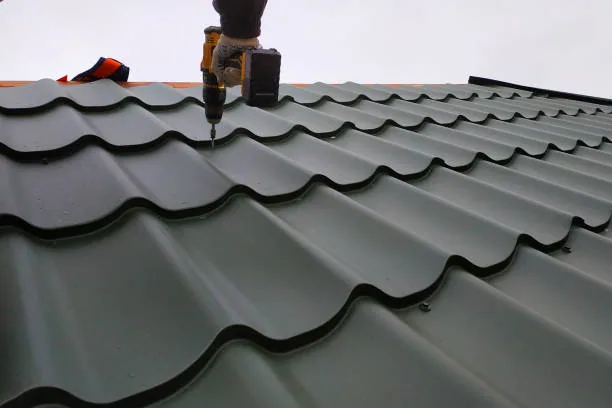
Slate is heavy, and its weight sits high on the building. Older slate roofs were framed for it, but decades of borer, rot or later alterations can weaken rafters and battens. If we find sagging or soft timber, we'll recommend an engineer's assessment before major work. Slate also breaks under a careless boot, so we work from roof ladders and boards that spread our weight.
Many slate roofs are on buildings with heritage protection. Repairs that keep the same material and appearance are usually straightforward, but changing materials or rebuilding sections may need consent, so we'll confirm with council and work alongside heritage advisers where a building is listed. Access is planned in line with WorkSafe guidance on working at height, often with scaffold and edge protection.
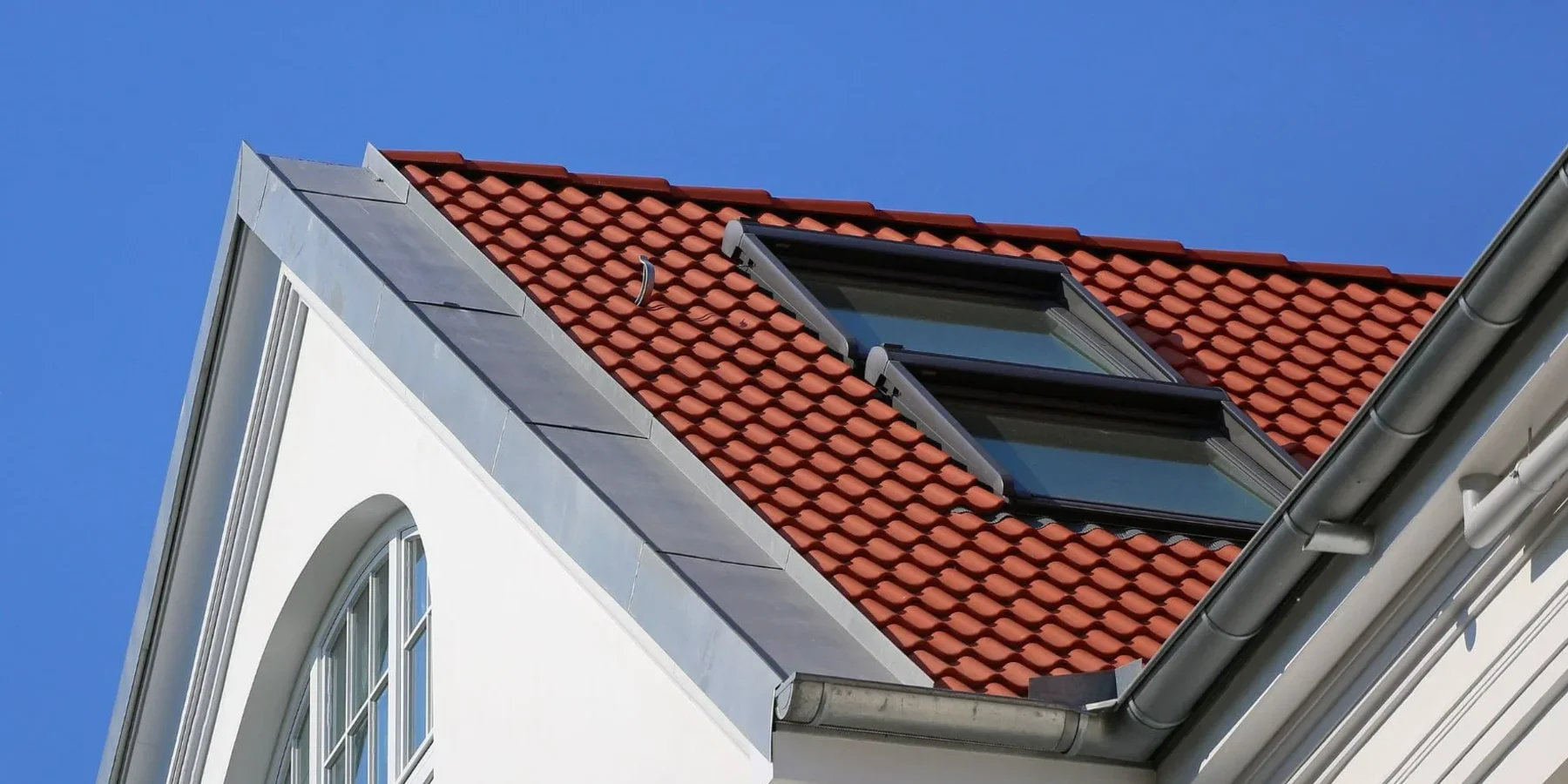
Every slate roof is different, so we start by understanding what is there and work out the least disruptive way to keep it weathertight.
We inspect from the roof space and the roof, photograph slipped and broken slates, check ridges, valleys and flashings, and assess the nails. You get a clear picture of what is urgent. See roof inspections and reports.
Most slate roofs need targeted work: replacing broken slates, refixing slipped ones, re-bedding ridges and renewing flashings. Done promptly, small repairs stop water reaching the battens, sarking and ceilings.
Where lead or metal flashings have failed, we renew them in compatible materials that suit the slate and the age of the building. See flashing installation and repair.
When slates are lifted, we cover the opening before we leave each day and watch the forecast, because Wellington weather turns quickly. Sound slates are stacked carefully for reuse.
A strong southerly or a sharp earthquake can slip slates and crack ridge bedding without an obvious leak. A check from the ground and the roof space afterwards catches damage early.
If slates are slipping all over the roof because the nails have failed, stripping and re-hanging on new battens and fixings, reusing sound slates, may be the sensible next step. We'll explain the options before you commit.
Slate is one of the finest roofing materials available, and it deserves tradespeople who respect it. Our contractors install and repair natural slate by hand, using traditional techniques and compatible fixings so the roof performs as designed for generations. We take particular care with heritage and character homes, preserving original details while ensuring the roof meets modern weatherproofing expectations. Slipped, cracked and missing slates are replaced individually, and lead work and flashings are assessed at the same time. We source matching slates wherever possible so repairs blend in beautifully. If you own a slate roof in Wellington, you can trust us to protect its beauty, value and longevity. Contact our local team today.
Slate roof care often involves these related services, particularly around ridges, chimneys, flashings and safe access to steep heritage roofs.
Call our team if you need advice for your property or roofing project.
04 888 0115Very often, yes. Because good slate outlasts its fixings, most slate roofs need repairs to nails, ridges and flashings rather than new slate. Replacing broken slates and refixing slipped ones with hooks or tingles keeps the roof weathertight and preserves its character. Full replacement is only worth considering when the slate itself is flaking badly across the roof.
Natural slate is thin, slightly uneven at the edges and rings when tapped. Fibre cement and composite slates are more uniform. Some older imitation slates contain asbestos, so if there is any doubt we test before disturbing them. Any asbestos removal is carried out by a WorkSafe-licensed asbestos removalist.
The most common cause is nail sickness, where the original iron nails have rusted through and can no longer hold the slates. It usually affects many slates at once, starting in the wettest or most exposed areas. Refixing individual slates works for a while, but widespread nail failure usually means planning a strip and re-hang.
Please don't. Slates crack easily under foot, often without it being obvious, and they are very slippery when wet or mossy. A cracked slate may not leak until the next storm. We work from roof ladders and boards that spread our weight, and clearing spouting is better done from a ladder at the eaves or by us.
It can, and reducing roof weight has structural benefits in an earthquake. On heritage-listed buildings, though, changing from slate may not be allowed, and any change of material may need consent, so we'll confirm with council first. On unlisted homes, metal roofing is the usual lighter alternative, and we can talk you through the options and their look.
Experience a top-notch roofing services wherever you are in Wellington. Get in touch with our team and will come back with you a free, no-obligation estimate for any roofing service.