
Custom Flashing Kits
We fit manufacturer flashing kits matched to your skylight model and roofing profile, creating a secure, watertight junction between the skylight frame and the surrounding roofing materials, backed by experience.
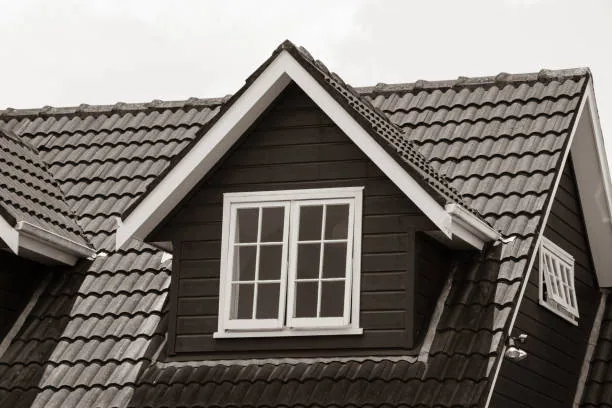
A skylight is only as weathertight as its flashing, which is why skylight flashing replacement in Wellington is a job worth getting right. The flashing is the set of shaped metal or soft-metal pieces that carry water around the unit, from the roof above, past both sides and out onto the roof below. When flashings corrode, lift or were never matched to the roof profile in the first place, water finds its way into the roof space no matter how good the skylight itself is.
Skylight flashing replacement removes the failed flashings and fits new ones that suit your roof, usually without replacing the skylight. It is common on Wellington homes where coastal salt has eaten through the metal, where the original flashing leaned on sealant, or where a reroof left old flashings in place. For the wider picture on skylight types and services, see our skylight overview.
We fit manufacturer flashing kits matched to your skylight model and roofing profile, creating a secure, watertight junction between the skylight frame and the surrounding roofing materials, backed by experience.
Old, corroded or poorly fitted flashings are the most common reason skylights leak. We replace them with durable materials suited to Wellington's coastal, wet and windy environment, from day one.
Whether your roof is metal, tile or membrane, we use the correct flashing method for the material, ensuring a neat finish and reliable long-term weather protection, with honest practical advice.
Each part handles water from a different direction, and a fault in any one of them can cause a leak that shows up somewhere else on the shaft.
Sits on the upslope side, running up under the roofing above. It collects all the water coming down the roof towards the skylight and diverts it to the sides. It is the most heavily loaded part of the system.
Run down each side of the unit and carry water from the back tray past the opening. On tile roofs they sit beneath the tiles as channels. On metal roofs they are shaped to suit the sheet profile.
Covers the downslope side and discharges water onto the roof below. On tile roofs it is a pleated or malleable skirt dressed into the tile profile so wind cannot lift it.
On most current units, the frame cladding laps over the upturned edges of the other flashings. Water would have to climb that overlap to get in, so a dented or loose cover can let wind-driven rain behind it.
Beneath the flashings, the roof underlay is cut and lapped around the opening so any water that gets past the metal is directed back outside rather than into the ceiling.
Flashings are held by clips or fixings placed out of the water path, high on an upturn or under the roofing lap. A fixing driven through the base of a channel or tray becomes a leak point.
Corrosion is the most common cause in Wellington. Salt spray on exposed sites like the south coast, Eastbourne and Plimmerton attacks metal that is not rated for the exposure, and cut edges and scratches rust first. Mixing incompatible metals, such as lead or copper flashings above a ZINCALUME or Colorsteel roof, causes rapid corrosion where the runoff lands.
Other failures are about design and workmanship. A flat flashing pushed into a corrugated roof and packed with foam and sealant will leak once the sealant breaks down. Back trays that are too short or too narrow overflow in heavy rain. Sheet ends above the skylight that were never turned up allow wind to drive water back up under the roofing. Foot traffic, wind lift and old lead aprons that have fatigued and cracked complete the list.
On corrugated and trapezoidal metal roofs, the new flashing is formed to follow the sheet profile so there are no gaps for wind to exploit. The sheet above the skylight is stop-ended, meaning the pans are turned up so water cannot blow back over the end. The back tray must be wide and deep enough for the area of roof draining onto it, which matters on long runs where a lot of water comes down in a short time. We follow the NZ Metal Roof and Wall Cladding Code of Practice for these details.
On concrete and clay tile roofs, the tiles are lifted, the side channels and back tray are fitted beneath them, and a pleated apron is dressed over the tile below. Tiles are cut cleanly to fit and re-bedded or re-fixed as the roof requires. General flashing work across the rest of the roof is covered by our flashing installation and repair service.
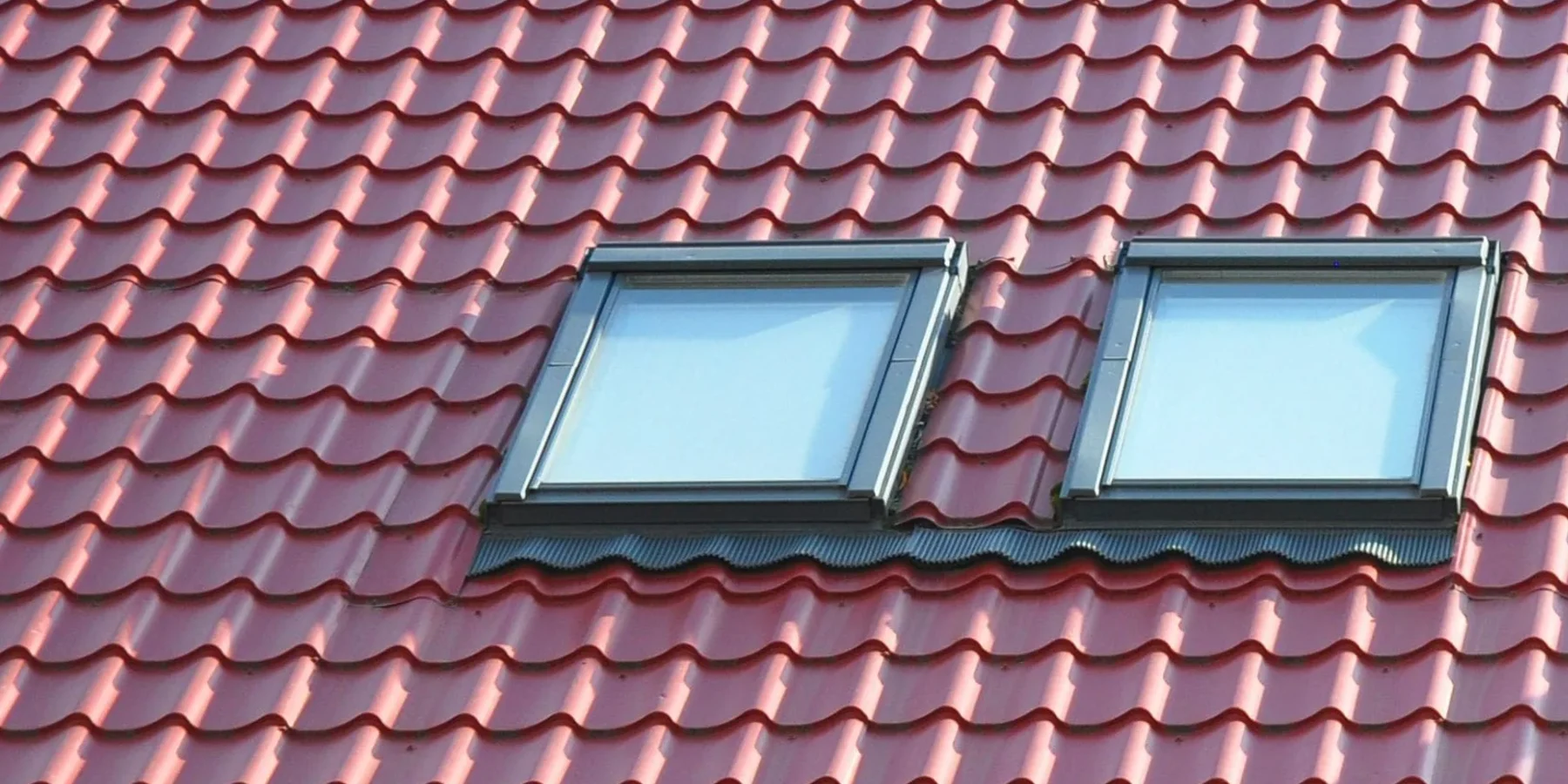
Flashings should be compatible with your roof and suited to your exposure zone. On Colorsteel roofs we usually match the flashing colour so it blends in, using material rated for the site. On very exposed coastal properties a higher-grade coated steel or aluminium may be a better choice. Manufacturer warranties vary by product and exposure zone, so we confirm the right material for your address before ordering. Every fixing is also chosen to avoid creating a corrosion point of its own.
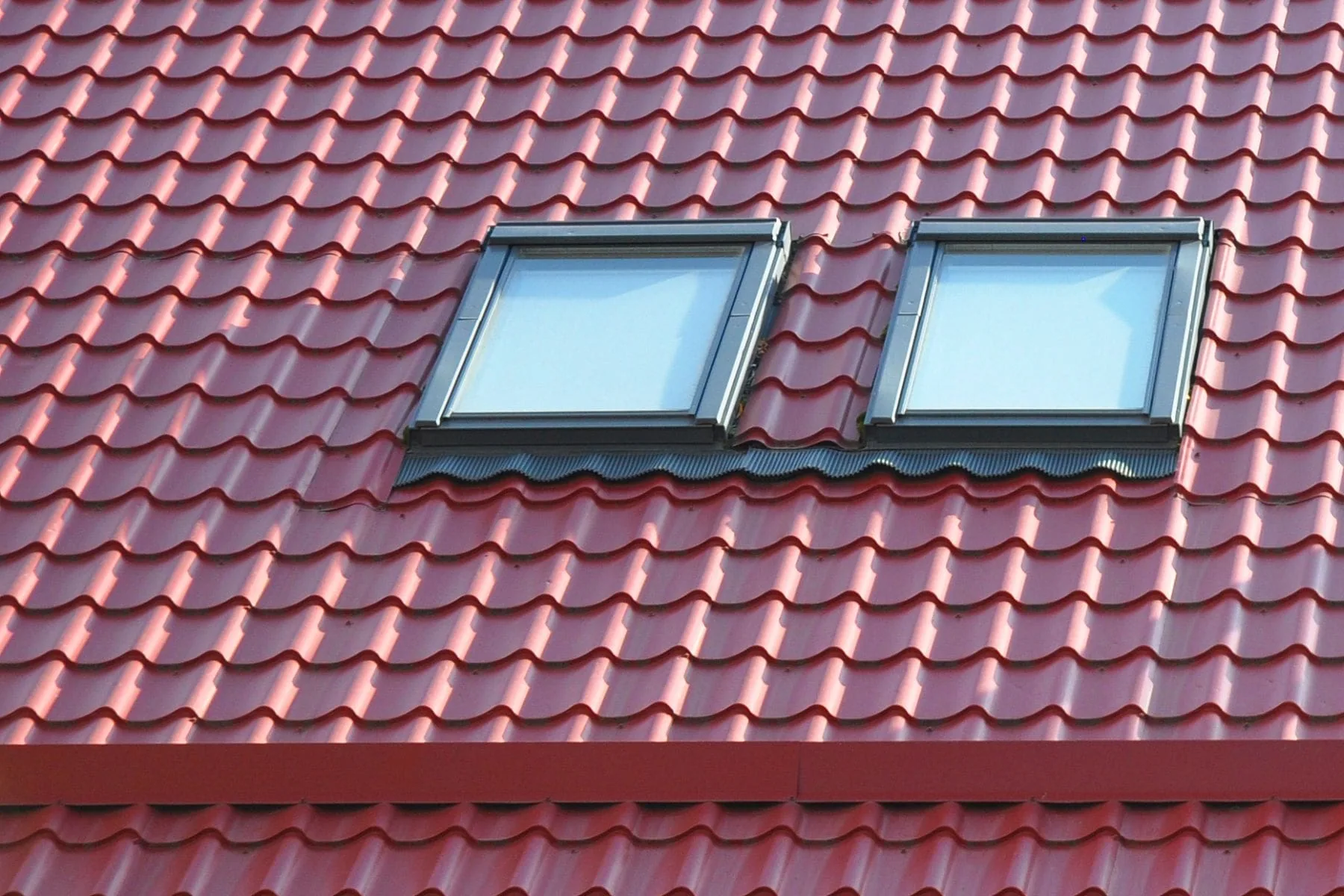
Most skylight leaks trace back to the flashings, which is why we treat them as the most important part of any installation. Our specialists fit manufacturer flashing kits matched to your skylight model and roofing profile, whether you have metal, tile or membrane. Old, corroded or poorly fitted flashings are removed completely, and the surrounding roofing is repaired so the new kit sits correctly. Everything is sealed and fixed securely against Wellington's wind and driving rain. We follow proper installation sequences, because water must always be directed over the next layer, never behind it. The result is a neat, reliable junction that keeps your skylight watertight for years.
Flashing work often goes hand in hand with these services, depending on the roof and the condition of the skylight.
Call our team if you need advice for your property or roofing project.
04 888 0115Yes, as long as the skylight itself is in good condition and a compatible flashing can be made or sourced for it. We remove the old flashings, check the underlay and timber, and fit new flashings around the existing unit. If the skylight is old enough that it will need replacing soon, doing both together avoids paying for the roof to be opened twice.
Usually salt exposure, damaged coating, or incompatible metals. Scratches and cut edges let corrosion start, and copper or lead runoff onto coated steel speeds it up dramatically. Debris that sits wet behind the skylight for months also holds moisture against the metal. Replacing the flashing with suitable material and keeping the back tray clear prevents it recurring.
They do not have to for performance, but on a Colorsteel roof most people want them to. Coated steel flashings are available in standard roof colours. What matters more is that the material is compatible with your roof and rated for your exposure, which we check first.
That usually points to the back tray or the roofing above it. Common causes are a back tray that is too short to sit well under the sheets above, sheet ends that were not turned up, or debris damming water so it overflows the tray in heavy, wind-driven rain. The water then travels down the underlay and appears at the top of the shaft.
We do not recommend it. Old flashings are often worn, may not suit the new roof profile, and were made to suit the old sheet or tile layout. When you reroof, fitting new flashings integrated with the new roofing and underlay is the best way to keep the skylight dry.
Experience a top-notch roofing services wherever you are in Wellington. Get in touch with our team and will come back with you a free, no-obligation estimate for any roofing service.