
Thorough Surface Preparation
Good paint jobs start with preparation. We clean, sand, treat rust and prime gutters so the finish bonds properly and lasts through Wellington's wet, windy and salty conditions, on schedule.
Gutter painting in Wellington means repainting spouting and downpipes that are faded, chalky, or a colour that no longer suits the house. Done well, it refreshes the whole roofline and adds a protective coat to steel that is weathered but still sound. Done badly, with the wrong primer or no preparation, it peels within a season or two and leaves a worse job to strip later.
In Wellington the challenge is adhesion. Salt deposits on coastal homes, chalking on old factory finishes and PVC that has turned slightly powdery in UV all stop paint bonding. Preparation takes most of the time on a good job. Painting also has limits: it will not rescue spouting that is rusting through, which needs gutter replacement instead.
Good paint jobs start with preparation. We clean, sand, treat rust and prime gutters so the finish bonds properly and lasts through Wellington's wet, windy and salty conditions, on schedule.
We match gutters to your roof, fascia or cladding, refreshing your home's exterior appearance and adding kerb appeal without the expense of replacing a system that still works, every time.
Quality exterior paint seals metal against moisture and corrosion, extending gutter life. We use products designed for gutters and spouting that resist peeling, fading and UV damage, backed by experience.
Paint on spouting almost always fails at the surface, not in the paint itself. The preparation is what you are really paying for.
Spouting is washed to remove dirt, moss residue, bird droppings and salt. On coastal homes from Island Bay to Plimmerton, salt left on the surface is a common reason new paint lifts.
Old factory finishes and earlier repaints often turn powdery. That chalk layer is scrubbed off, and flaking paint is scraped and sanded back to a firm, feathered edge.
Sound old paint is lightly sanded or scuffed all over so the new coat has something to grip. Glossy finishes left unkeyed are a common reason fresh paint peels away in sheets.
Light surface rust is abraded back to bright metal and spot-primed. If rust has pitted or perforated the metal, paint will not stop it, and we will tell you so before starting.
Roofing, cladding, windows and paths are protected from drips. Brushing and rolling are usually preferred over spraying, because overspray travels a long way on a windy day.
Paint goes on only when the surface is dry and the forecast holds. Morning dew, a passing shower or salt spray on a southerly can spoil a fresh coat, so timing matters.
Each spouting material needs its own approach. Using one paint system for everything is the most common reason gutter paint fails early.
Bare or newly exposed galvanised steel does not hold ordinary paint well. After degreasing and cleaning, it needs a primer formulated for galvanised surfaces, such as an etch primer, before the topcoats.
The factory coating is a good base once washed and lightly abraded. Bare metal at cut edges, scratches or rust spots is primed with a suitable metal primer, then the whole surface is topcoated.
PVC needs a paint the paint maker approves for plastics. Dark colours are a risk because PVC absorbs heat and can soften or distort, so paint makers generally advise staying close to or lighter than the original.
Aluminium does not rust, but paint will not grip its smooth surface without abrading and a primer suited to non-ferrous metals. Powder-coated aluminium is treated like any factory-finished surface.
Cast iron spouting and rainwater heads on older buildings are wire-brushed back to sound metal and primed with a rust-inhibiting metal primer before fresh rust forms. Cracked or heavily corroded castings are better replaced than painted.
Where spouting has been repainted before, the existing coat sets the rules. A simple tape test shows whether it is holding, and older oil-based paint may need an adhesion primer before a waterborne topcoat goes over it.
Spouting is a strong horizontal line across the front of the house, so colour matters. The usual choices are to match the roof, which ties the spouting to the roof edge, or to match the fascia and trim, which ties it to the walls. Downpipes are often painted to match the wall they run down so they recede, rather than the spouting, which would draw the eye down every corner.
Most major paint ranges include colours formulated to match the standard Colorsteel palette, which makes matching a Colorsteel roof straightforward. Roofs that have faded or been repainted need a match to their current colour, not the original, so we compare samples on site in daylight. If the roof is also due for paint, doing both through roof painting keeps colour and finish consistent.
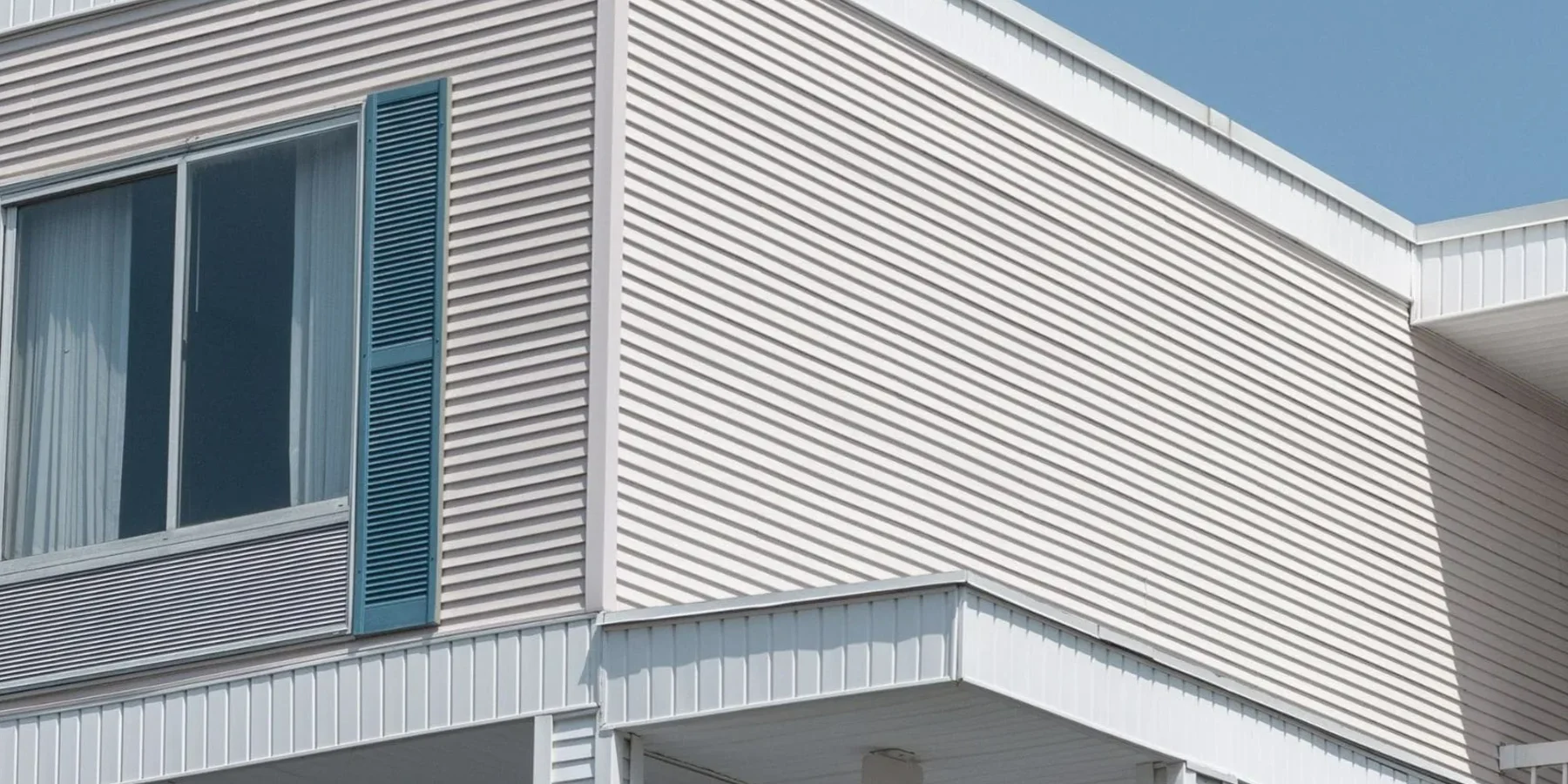
Paint is a finish, not a repair. It will not seal leaking joints, lift sagging runs or stop corrosion that has pitted the metal. If we find these during preparation, the fix comes first: joints resealed through gutter relining and sealing, sagging runs re-hung, or badly rusted lengths replaced. The paint then goes onto a sound system. On older villas, layers of old paint on fascias and downpipes may contain lead, so dust is controlled and debris contained during preparation.
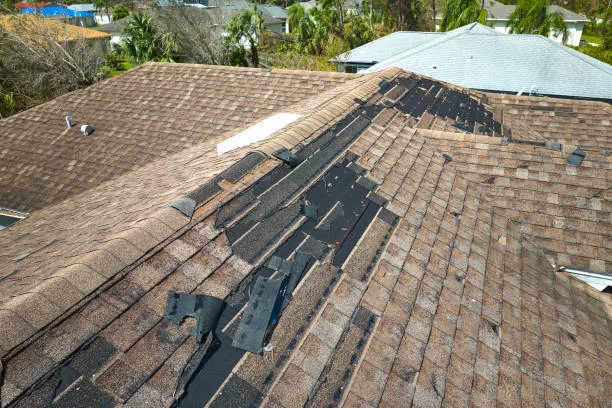
Painting gutters is a cost-effective way to refresh your home's exterior, but a lasting finish depends on preparation. Our painters clean away dirt and moss, sand rough areas, treat rust and prime bare metal before any topcoat goes on. We use quality exterior paints designed for gutters and spouting, which resist peeling, fading and UV damage in Wellington's wet, windy and salty conditions. Colours are matched carefully to your roof, fascia or cladding for a cohesive look. We protect surrounding surfaces, work neatly at height and clean up afterwards. If your gutters are too far gone to paint, we will tell you honestly and suggest better alternatives.
Painting often reveals other roofline jobs, and it makes sense to plan them together while ladders or scaffolding are already set up.
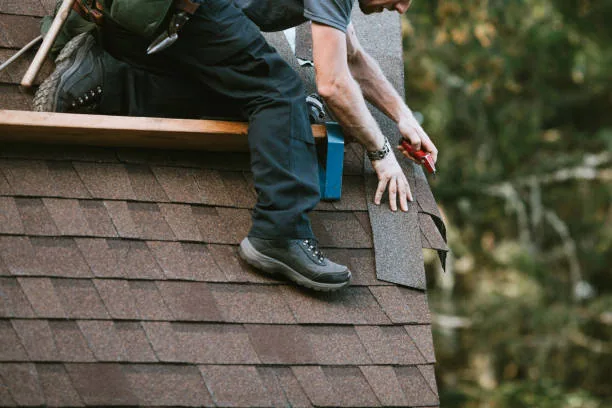
Call our team if you need advice for your property or roofing project.
04 888 0115Yes. Colorsteel spouting can be repainted once its factory finish has faded or chalked. The surface is washed, the chalk removed, lightly abraded, and any bare metal spot-primed before topcoating with a paint suited to pre-painted steel. Check first whether a manufacturer warranty still applies, as repainting may affect it.
It is risky. Dark paint makes PVC absorb more heat from the sun, which can cause it to soften, sag or bow, especially on north and west elevations. Paint makers generally recommend staying near or lighter than the original colour on PVC. If you want dark spouting, steel or aluminium in a factory colour is the more reliable route.
It depends on exposure, the material and how well it was prepared. Coastal and very sunny elevations wear faster than sheltered ones. A clean, well-prepared surface with the right primer gives the paint its best chance, and a gentle wash once a year to remove salt and grime helps it keep its colour and gloss.
Paint if the spouting is straight, watertight and only cosmetically tired. Replace it if it is rusted through, leaking at many joints, brittle or badly sagging. Painting spouting that will need replacing in a couple of years rarely makes sense. We look at the condition and tell you which is better value for your house.
We can include fascia boards alongside the spouting, as long as the timber is sound. Soft or rotten sections are replaced first, because paint will not hold on decaying timber. If the fascia needs significant work, it is quoted as a separate item so you can see the cost of each part.
Experience a top-notch roofing services wherever you are in Wellington. Get in touch with our team and will come back with you a free, no-obligation estimate for any roofing service.