
Barge Board Replacement
Barge boards protect the gable edge of your roof from wind and rain. We replace weathered, rotten or damaged boards, restoring structural protection and a clean, straight roofline, with care.
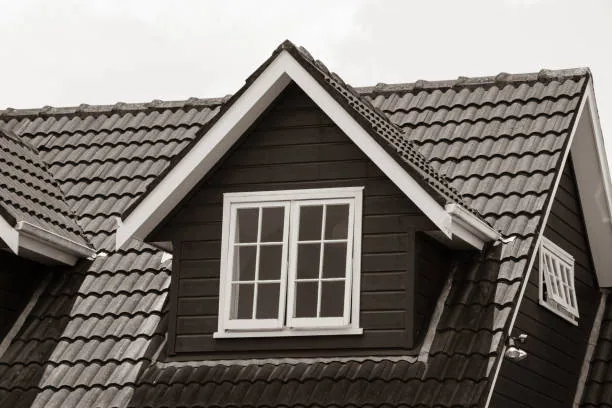
Barge boards are the sloping boards along the edges of a gable roof, running from the ridge down to the eaves. They cover the ends of the roof framing, finish the roofline, and together with the barge flashing on top, stop wind-driven rain getting in at the roof's most exposed edge. On a home facing a northerly or a southerly, that edge takes a beating, which is why barge board replacement in Wellington comes up so often.
Barge boards fail differently from fascia. They don't carry spouting, but they sit in full wind and weather on both faces, and the lower end, where water runs down and collects, is where rot almost always starts. We replace damaged barge boards, refit or replace the barge flashings over them, and make sure the gable end is properly secured against wind uplift.
Barge boards protect the gable edge of your roof from wind and rain. We replace weathered, rotten or damaged boards, restoring structural protection and a clean, straight roofline, with care.
Choose timber, fibre cement or aluminium-clad options based on budget and maintenance preferences. We recommend products that suit Wellington's wind, moisture and salt exposure over the long term, on schedule.
We integrate barge boards with correct flashings and sealing at the roof edge, preventing wind-driven rain from entering the roof structure and extending the life of your cladding, every time.
The signs are often visible from the street if you know where to look, usually on the gable that faces the prevailing weather.
The bottom of the barge, where it meets the fascia and spouting, collects water running down the board. Soft timber, open joints and peeling paint there are the classic sign, and rot can spread up the board unseen behind sound-looking paint.
Long barge boards baked by sun on one face and soaked on the other can twist and split along the grain, pulling fixings and opening gaps at the roof edge for water and birds.
Wind lifts the roof edge at gables more than almost anywhere else. Loose barge boards and flashings rattle and lift, and in a big storm can tear free, taking roofing with them. Earthquake movement can also loosen fixings.
On metal roofs, the barge flashing caps the edge of the roofing and the top of the board. If it's short, poorly fixed or corroded, water gets under it and runs down the inside face of the barge.
The joint where the two barge boards meet under the ridge opens as the timber shrinks and the roof moves. Water soaks into the exposed end grain, and the gap gives birds and wasps an easy way into the roof space.
Streaks, mould or peeling paint on the wall just below the barge show water running down the board and onto the cladding. On weatherboard gables the top boards can soften too, so we check them when the barge comes off.
We take off the barge flashing first, then the old board, and check the ends of the roof framing, the battens or purlins, and the gable framing behind. Any decay in the framing is dealt with before the new board goes on. Replacement boards are treated timber suited to exterior exposure, primed on every face including the ends, and fixed to resist the wind loads on that site.
The barge flashing is then refitted or replaced so it overlaps the roofing correctly and covers the top of the board, with fixings and laps that follow the NZ Metal Roof and Wall Cladding Code of Practice. On tile roofs, the verge tiles and bedding along the barge are checked and re-bedded where needed. If other flashings on the roof are damaged, our flashing installation and repair work can be done at the same visit.
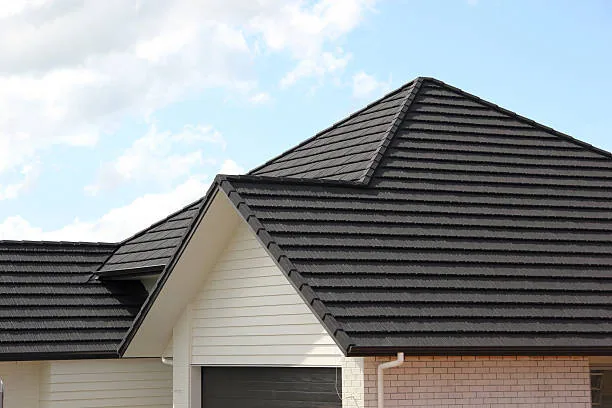
There is more than one way to finish a gable end, and the right choice depends on the style of the house and how exposed it is.
On villas, bungalows and other character homes, the barge is part of the look. We match the board size and any profile so the gable end looks original once painted. It's the usual choice where appearance matters most.
A folded metal cover over a sound timber barge removes most of the maintenance and stands up well on exposed sites. It's often colour-matched to the roof or the spouting and fascia for a clean, consistent roofline.
On very exposed gables, a barge flashing with a deeper turn-down over the board improves weather protection. We check what is practical for your roofing profile and how it ties into the ridge and the spouting.
If the roof is due for replacement, the barge boards are best done at the same time, since the barge flashings come off anyway. Our reroofing page explains how a full roof replacement is staged.
On gables facing the prevailing wind, how the board is fixed matters as much as the board. We use corrosion-resistant fixings suited to the exposure, at closer spacing where the site calls for it, so the barge and flashing stay put.
Dark colours make a timber barge run hotter in the sun, which adds movement and stress to the paint. On gables facing the afternoon sun, a lighter colour over a full primer, undercoat and topcoat system helps the board stay stable.
Barge boards protect the gable edge of your roof, and when they rot, wind-driven rain gets into the roof structure and cladding. Our specialists remove weathered boards, check the framing beneath, and install new timber, fibre cement or aluminium-clad boards with accurate lines and secure fixings. We integrate them with correct flashings and sealing so Wellington's strongest gusts cannot drive water behind them. Because the roofline is so visible, we pay attention to straight cuts, tight joints and clean paintwork. You get practical advice about materials and maintenance, a neat finish and long-lasting protection for the most exposed edges of your home. Call us for a clear, honest quote.
Barge boards sit where the roof edge, the cladding and the spouting meet. These related services often come into the same job.
Call our team if you need advice for your property or roofing project.
04 888 0115Both are roof-edge boards. The fascia runs horizontally along the eaves and carries the spouting. The barge board runs up the sloping edge of a gable, from eaves to ridge, and doesn't carry spouting. The two meet at the corner of the roof, which is one of the most common spots for rot.
Paint over rot only hides it. Once the timber is soft, decay continues under the new paint and spreads. Small areas can sometimes be cut out and patched, but if the rot is at the lower end and has spread, replacement is usually the better long-term fix. We'll show you what we find before recommending either.
Often, yes. Gable ends are usually the highest part of the wall, and working at the top of a two-storey gable from a ladder isn't safe. We follow WorkSafe guidance on working at height and use scaffold or edge protection where the height or site calls for it, and that is included in your written quote.
Usually because the fixings have loosened or corroded, the flashing is too short for its laps, or the timber underneath has rotted so the screws no longer hold. A lifting barge flashing in Wellington wind can tear off and damage the roof, so call us as soon as it's safe.
Replacing barge boards like for like is generally treated as maintenance. If the work changes the roof structure or is part of a wider alteration, consent may be needed. We'll confirm with council if anything in the scope might require it.
Experience a top-notch roofing services wherever you are in Wellington. Get in touch with our team and will come back with you a free, no-obligation estimate for any roofing service.