
Moss and Lichen Removal
Wellington's damp climate encourages moss and lichen that trap moisture and shorten roof life. We remove growth safely using methods suited to your specific roofing material, to a high standard.
Shaded south-facing slopes, trees on the boundary and damp winters give moss, lichen and algae everything they need, which is why roof cleaning in Wellington is a regular job rather than a one-off. On tiles, moss holds water, lifts edges and blocks the channels between tiles. On metal, lichen grips the coating and keeps the surface damp. Black algae streaks are mostly cosmetic, but they show where water lingers. Cleaning removes the growth and the moisture it traps.
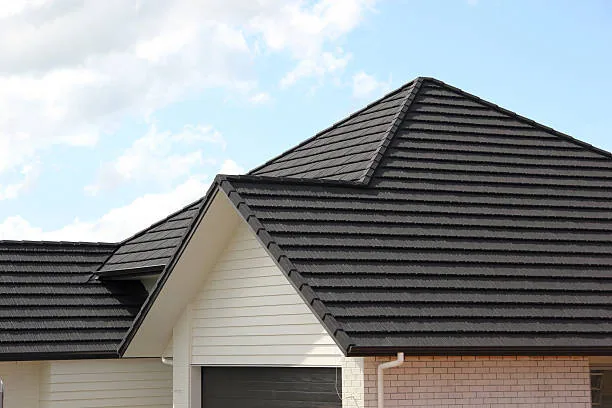
We clean concrete and clay tile, pre-painted metal and other roof types across Wellington, Lower Hutt, Upper Hutt and Porirua. The method matters as much as the result. A roof can look clean after a blast with a high-pressure washer and still have been damaged in the process, which is why we use treatments and low-pressure soft washing suited to each material.
Wellington's damp climate encourages moss and lichen that trap moisture and shorten roof life. We remove growth safely using methods suited to your specific roofing material, to a high standard.
Low-pressure soft washing kills algae and spores at the root without damaging tiles or paint, leaving your roof cleaner for longer than aggressive pressure blasting ever could, from a local team.
A clean roof looks better, sheds water properly and resists corrosion and decay. Regular cleaning lifts kerb appeal and helps protect the value of your property, with honest practical advice.
Soft washing applies a cleaning and biocide solution at low pressure, gives it time to kill growth at the root, then rinses gently. Dead lichen and moss continue to break down and wash away with rain over the following weeks, so the roof keeps improving after we leave. Because the growth is killed rather than just knocked off the surface, it takes longer to come back.
High-pressure washing is quick, which is why it is popular, but it can do real harm. On pre-painted steel it can strip or thin the coating. On concrete tiles it erodes the surface, leaving it more porous so moss returns faster. Old clay tiles can crack, and on any roof a powerful jet can drive water up under laps, flashings and ridges into the ceiling. On asbestos-cement roofs, the Health and Safety at Work (Asbestos) Regulations 2016 restrict high-pressure water spraying because of the risk of releasing fibres.
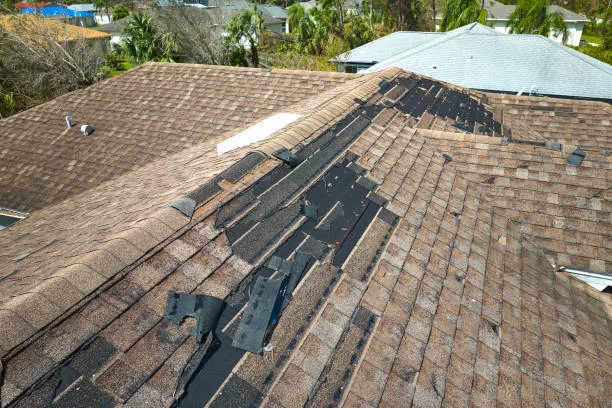
Different growth needs different handling, so we identify what is actually on the roof, and how firmly it is attached, before choosing a treatment.
Green, spongy cushions that thrive on shaded tiles and in valleys. Moss holds water against the roof, lifts tile edges and breaks away into the spouting, where it causes blockages and overflows.
Crusty grey, green or orange patches common on older metal and tile roofs. Lichen bonds tightly to the surface and can etch coatings, so it is killed first and left to release rather than scraped off.
Dark streaks running down the slope where moisture lingers. Algae is mostly cosmetic, but it marks areas that stay damp, and it is often the first stage before moss and lichen take hold.
Near the coast, salt collects on sheltered areas and under overhangs. It is not organic growth, but it corrodes metal, so we wash it off as part of a clean wherever we find it.
Small ferns, grasses and even tree seedlings take root in spouting, valleys and under tile ridges where debris has built up. Their roots hold water and push tiles and flashings apart, so they are pulled out by hand.
Leaves, pine needles and twigs pile up behind chimneys, in valleys and along the top of the spouting. As they rot, they hold moisture against the roof and feed the moss and lichen that follow.
If your roof feeds a rainwater tank, cleaning chemicals and dirty rinse water must not end up in it. Before we start, we disconnect or divert the downpipes that feed the tank, and they stay disconnected until enough rain has rinsed the roof to clear the residue. We will tell you when it is reasonable to reconnect, and our rainwater tank connections page covers diverters and first-flush devices.
We also think about where runoff goes. Plants under the drip line can be wetted down and covered, and we choose products and dilution rates to suit the roof material and its surroundings. Moss and debris washed into the spouting are cleared at the end so they do not block downpipes, and the clean can be combined with gutter cleaning.
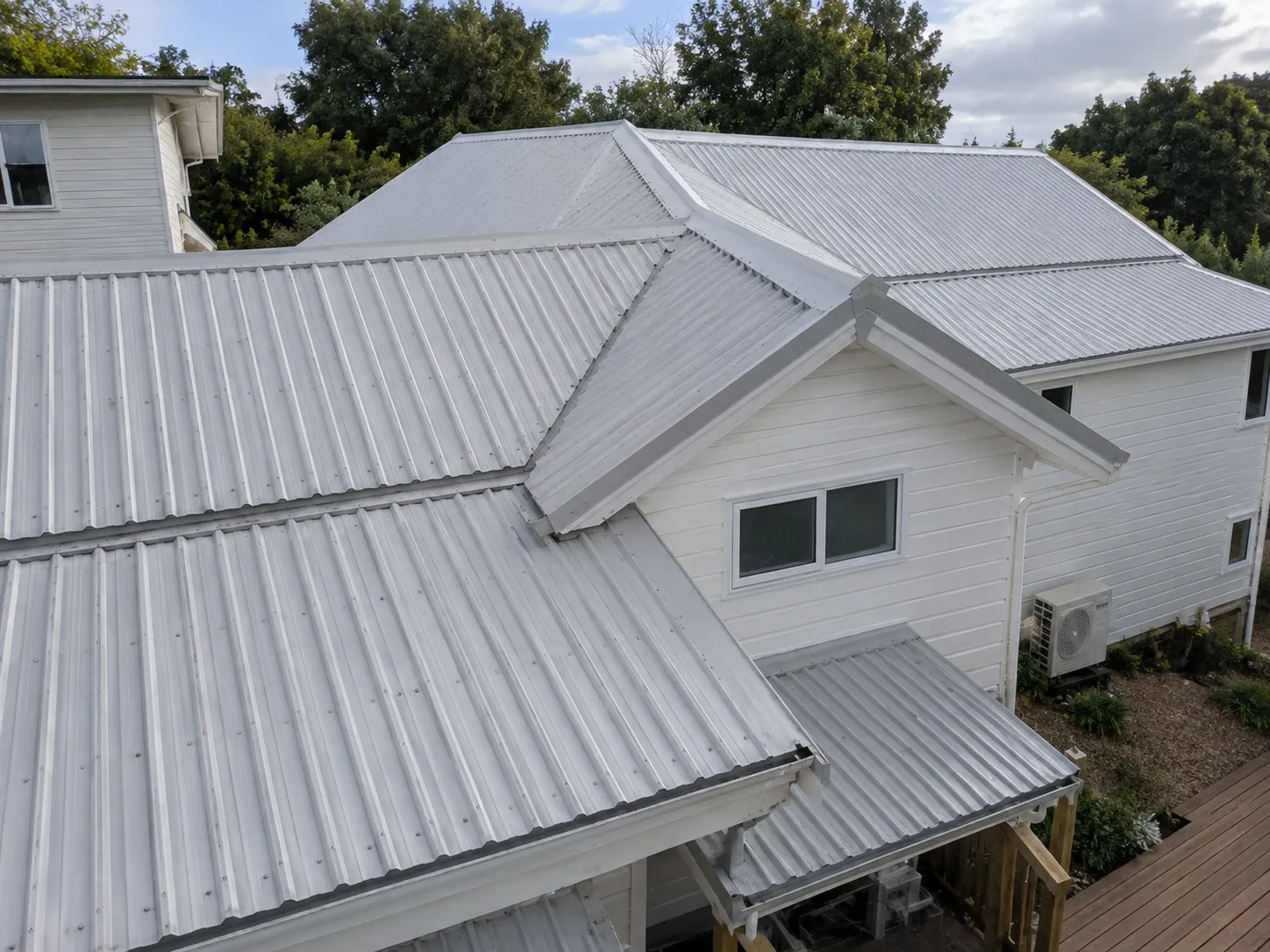
A roof that is going to be painted needs a thorough clean first, because paint will not bond properly to growth, chalking or salt. If your roof is faded or showing surface rust, cleaning may be the first stage of roof painting rather than a job on its own. If the roof is sound and simply dirty, an occasional clean keeps it tidy and helps the existing coating last.
Wellington's damp climate is perfect for moss, lichen and algae, and left alone they hold moisture against your roof and shorten its life. Our roof cleaners use methods matched to your specific roofing material, so tiles, metal and membranes are treated safely without damage. We favour low-pressure soft washing and quality treatments that kill growth at the root, rather than blasting it off and letting it return within months. Our crews work carefully at height, protect your gardens and leave the property tidy. The result is a cleaner, brighter roof that sheds water properly and adds real kerb appeal to your home. Ask us anything before you commit.
These services often go hand in hand with a roof clean, or follow it once the surface is clear and its real condition can be seen.
Call our team if you need advice for your property or roofing project.
04 888 0115On most roofs we do not recommend it. High pressure can strip the coating on pre-painted steel, erode concrete tiles, crack old clay tiles and force water under laps into the ceiling. Asbestos-cement roofs should not be water-blasted because of the risk of releasing fibres. A low-pressure soft wash with a suitable treatment gets a longer-lasting result without the damage.
Some growth discolours and dies within days, but the full effect on lichen and thick moss can take weeks, as the dead growth loosens and rain washes it away. That is why a soft-washed roof often keeps looking better after we leave. Heavy moss on tiles is usually removed by hand first so the treatment reaches the roof surface.
Not if the tank is disconnected properly. We disconnect or divert the downpipes feeding the tank before treatment and leave them off until rain has rinsed the roof. If you rely on tank water for drinking, tell us when you book, and make sure you have enough stored water to see you through the disconnection period.
It depends on shade, nearby trees and how close you are to the coast. A sunny, exposed roof may only need cleaning occasionally, while a shaded slope under trees can grow moss again within a few years. Regular washing of unwashed areas is a separate task that many metal roof warranties expect, and it can be built into a maintenance plan.
No. Cleaning removes growth, dirt and salt, and can make a faded roof look much better, but it cannot restore a worn coating or treat corrosion. If you see rust spots, chalky paint that comes off on your hand, or bare metal once the roof is clean, it needs repair, coating or painting rather than another clean.
Experience a top-notch roofing services wherever you are in Wellington. Get in touch with our team and will come back with you a free, no-obligation estimate for any roofing service.