
Safe Panel Removal
Before roof work begins, we coordinate the careful removal of solar panels with your installer, protecting equipment and wiring so your system remains undamaged and ready to be refitted.
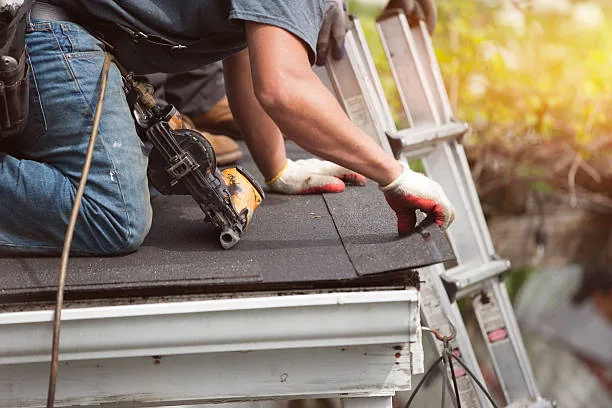
Solar panels sit on the part of the roof that most needs looking after, and they make that part hard to reach. If your roof needs repairs, painting, re-sheeting or a full reroof, the panels and their mounting rails usually have to come off first and go back on afterwards. Good solar panel removal and reinstallation in Wellington means planning the sequence, handling the panels carefully and making sure every penetration through the roof is sealed.
In Wellington, the stakes are higher than usual. A solar array is a large flat surface for wind to catch, so it must be refixed to the structure as designed, and any poorly sealed bracket becomes a leak in horizontal rain. We organise the roof side of the job and work alongside your electrician or solar installer, so the system is disconnected, removed, reinstalled and reconnected in the right order.
Before roof work begins, we coordinate the careful removal of solar panels with your installer, protecting equipment and wiring so your system remains undamaged and ready to be refitted.
With panels removed, we repair, restore or replace the roofing beneath, fixing leaks and corrosion that are impossible to reach while your solar array is still in place, every time.
Panels are refitted with new, properly sealed penetrations and secure mounts, so your system returns to service quickly and your roof stays watertight beneath the array, to a high standard.
Removal and reinstallation involves two trades, and the order matters. This is how we organise a typical job on a residential roof.
A licensed electrician shuts the system down, isolates it and disconnects the panels before anyone lifts them. Panels still generate voltage in daylight, so this step always comes first.
We remove the panels and record their positions, then take off the rails and brackets. Panels are stored safely, on site or off the roof, where wind cannot catch them.
With the area clear, we carry out the repairs, repainting or re-sheeting, including the section of roof that has been hidden under the array for years.
Brackets are fixed into the purlins or rafters, not just the sheet, at the spacings the mounting system requires, with each penetration sealed to suit the roof profile.
Before the panels go back, every bracket seal is checked and swarf, offcuts and screws are cleared away. Left on the sheets, swarf rusts and marks the coating under the array.
Rails and panels go back in their original layout. The electrician then reconnects, tests and commissions the system before it is switched back on.
Most residential arrays sit on aluminium rails fixed to brackets, and the brackets are where roofs leak. On corrugate and trapezoidal roofs, brackets are typically screwed through the crest of the rib into the purlin below, with sealing washers and sometimes a flashed base plate. Fixings through the pan of the sheet, where water runs, are a common fault we find.
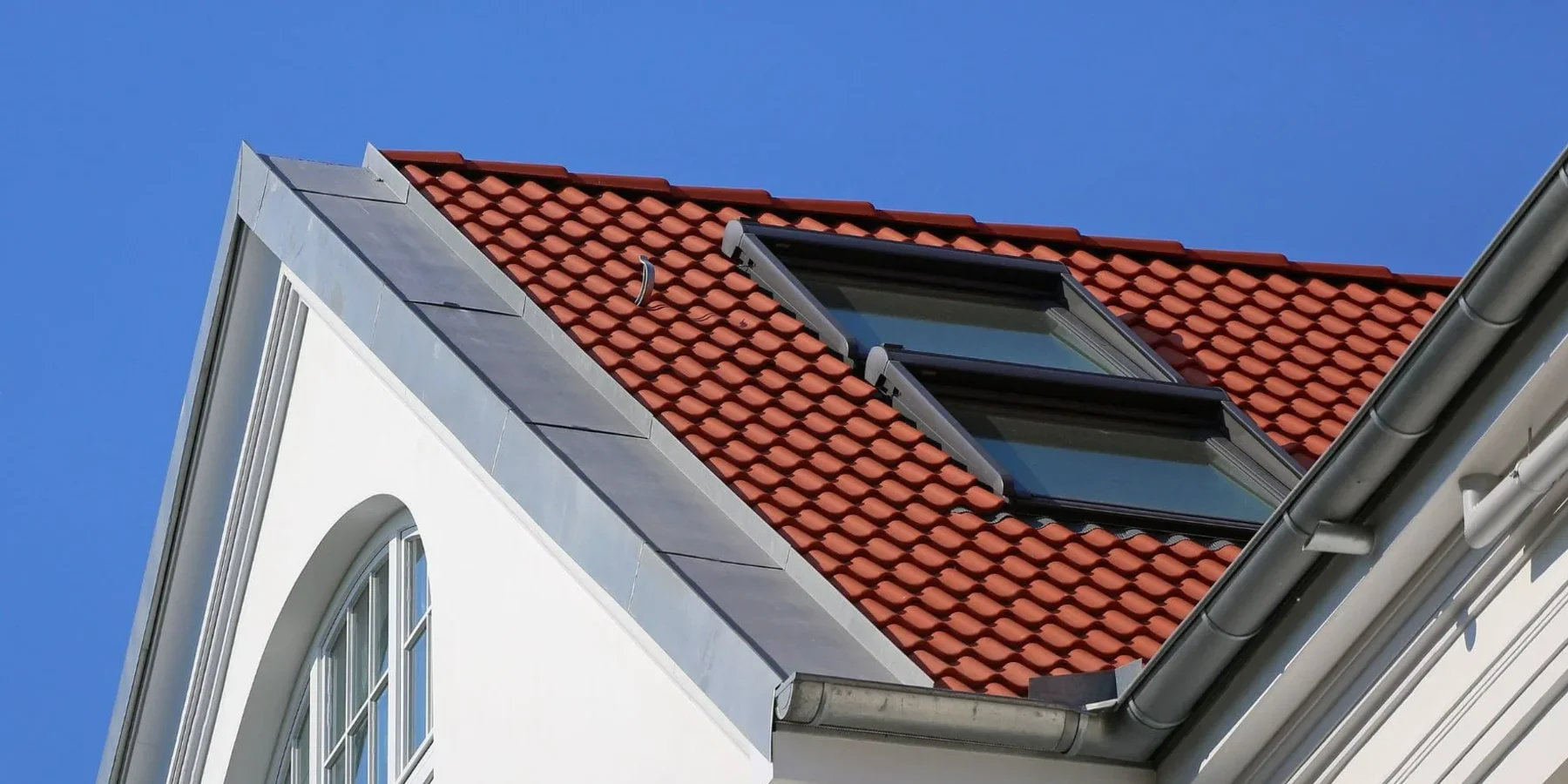
On standing seam roofs, clamps can grip the seam without any penetration at all. On tile roofs, hooks pass under the tiles and fix to the rafters. Whatever the system, we follow the mounting manufacturer's requirements and the NZ Metal Roof and Wall Cladding Code of Practice for anything through a metal roof. If a reroof changes the profile, the brackets may need to change too, which is best sorted before the job starts.
The roof under a solar array is out of sight and sheltered from the natural rinse of rain. Leaves, nests and grit collect behind the rails, and on coastal Wellington sites, salt that is not washed off builds up on the coating. Coated steel manufacturers note that unwashed areas need extra care, and the space under panels is a prime example.
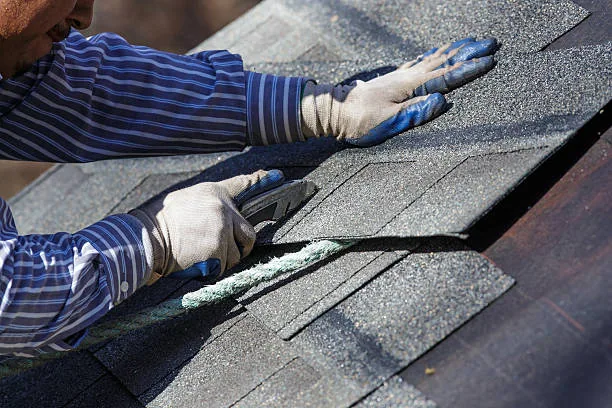
When panels come off, we often find scratches from the original installation, rust around brackets and debris dams holding water against the sheet. These are dealt with before the panels go back. If the panels sit on an already ageing roof, now is the time to consider whether re-sheeting or roof painting makes more sense than refitting onto tired steel.
If you are considering solar and your roof is already showing its age, fix the roof first. Removing and reinstalling a system adds cost and time that is easily avoided by doing the reroofing before the panels go on. If your system is already installed, check your installer's and manufacturer's warranty conditions before removal, as some specify who may handle the equipment.
Roof work under solar panels needs careful coordination, and mistakes can be expensive. Our contractors work closely with your solar installer or electrician to schedule removal, protect equipment and wiring, and arrange safe reinstallation once roofing is complete. With the panels off, we can properly repair corrosion, replace failing roofing and fix leaks that are impossible to reach while the array is in place. When panels return, we reseal every penetration and check mounts for security, keeping your roof watertight beneath them. This coordinated approach keeps downtime short, protects your investment and avoids the finger-pointing that can happen when several trades are involved. Contact our local team today and see the difference quality workmanship makes.
Solar removal is almost always part of a bigger roof job. These are the services it is most often combined with.
Call our team if you need advice for your property or roofing project.
04 888 0115No. A licensed electrician or your solar installer disconnects the system before removal and reconnects it afterwards. We organise the timing so the electrical and roofing work fit together, and we handle the physical removal, storage and reinstallation of the panels and rails.
Sometimes. If the leaking bracket is at the edge of the array and easy to reach, it may be fixable in place once the system has been isolated. Leaks under the middle of an array usually need some panels lifted to reach the bracket properly. Once access is sorted, these roof repairs are often small jobs.
Usually, yes. We record the layout before removal so the array goes back as it was, which keeps the wiring and performance unchanged. If a reroof changes the roof profile or framing, bracket positions may shift slightly to land on purlins, but the panel layout normally stays the same.
It can, depending on the terms. Some panel, inverter and installer warranties have conditions about who handles the system. Check your paperwork, or ask your installer, before work is booked. We are happy to work with your original installer if your warranty requires it.
That depends on the roof work. A small repair may only need the system off briefly, while a full re-sheet takes longer. We schedule the electrician's visits at either end so the system is down for as short a time as practical, and we set out the expected timing in your written quote.
Experience a top-notch roofing services wherever you are in Wellington. Get in touch with our team and will come back with you a free, no-obligation estimate for any roofing service.