
Internal Gutter Relining
Relining applies a flexible waterproof coating inside aging gutters, sealing pinholes and rust spots so you can extend their lifespan without the cost of full replacement, using quality proven materials.
Gutter relining and sealing in Wellington fix leaks without replacing the whole gutter. Sealing deals with external spouting where the lengths are sound but the joints, corners, stopends and outlets have let go. Relining deals with internal and box gutters, the ones built into the roof or hidden behind a parapet, by laying a new waterproof layer inside the old gutter so water can no longer reach the worn metal.
Both are common jobs in Wellington. Steel spouting on 1970s homes often has plenty of life left in the lengths while the original sealant has hardened and cracked. Older villas and commercial buildings carry internal gutters that are difficult and disruptive to replace. Relining or resealing buys time at lower cost, provided the gutter underneath is still worth keeping, and we will tell you when it is not.
Relining applies a flexible waterproof coating inside aging gutters, sealing pinholes and rust spots so you can extend their lifespan without the cost of full replacement, using quality proven materials.
Leaking joints and end caps are common problems. We clean and reseal them with appropriate products, stopping drips that stain walls and damage fascia boards over time, backed by experience.
Early rust is treated before it spreads, with affected areas cleaned, primed and coated. This restores gutter strength and delays replacement for many extra years, by an experienced local team.
Spouting joints leak for predictable reasons. Sealant hardens and shrinks in UV, daily thermal movement opens hairline gaps, and rust creeps under the edge of old sealant until it lifts away. A fresh bead smeared over the old one rarely lasts a winter. A reseal that holds involves these steps.
With the spouting cleaned out, each joint, corner, stopend and outlet is checked. Joints that look fine from the ground often show a drip line underneath, so the whole run is assessed.
Old sealant is cut and scraped out of the joint completely. New sealant bonds poorly to old sealant, dirt or flaking paint, so this step decides whether the repair lasts.
Corrosion at the joint is wire-brushed back, and the surface is cleaned and dried. Where steel has rusted at a joint but is still solid, a suitable primer goes on before any sealant.
Corners and joiners that have moved are drawn tight and riveted or screwed where the system allows, so the sealant is not doing the structural work on its own.
We use sealants made for spouting and roofing metals and compatible with the gutter material. The wrong product can stain, fail to bond, or encourage corrosion on some coated steels.
Once the sealant has cured in dry weather, the run is flushed with a hose to check every resealed joint. Any drip is dealt with then, not left for the next southerly.
Internal gutters sit inside the line of the building, so when they leak the water goes into ceilings and walls rather than onto the ground. They are common on villas with parapets, on terraced houses and on commercial roofs. The usual causes of failure are galvanised steel corroded where water has sat in low spots, cracked soldered or riveted joints, and outlets that have rusted around the edge.
Relining lays a new waterproof surface inside the existing gutter. Depending on the gutter shape and how it is used, that may be a sheet membrane such as butyl rubber, EPDM or TPO bonded to a new substrate, or a liquid-applied membrane over prepared metal. The lining is dressed up the sides and under the roofing, and outlets are detailed so water cannot get behind it. Our box gutters page covers commercial installations in more depth.
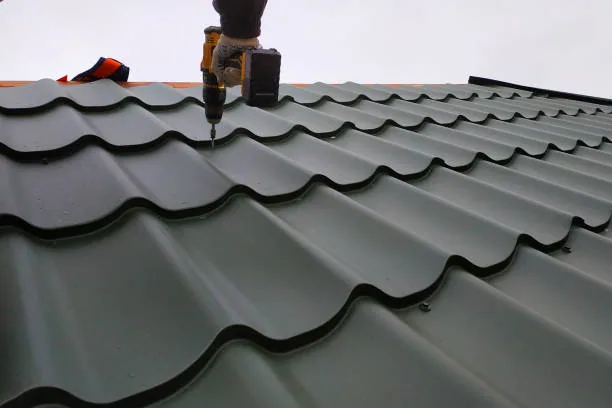
Relining is a good repair, not a cure-all. These are the situations where we advise against it, and we explain the reasoning in your written quote.
A lining makes a gutter watertight but does not make water drain. If the gutter ponds because the structure under it has sagged, relining simply holds the pond in a better material.
Some internal gutters, especially on altered or extended buildings, are too small for the roof area feeding them. They overflow in heavy rain whether they leak or not, so the gutter needs redesigning.
If the boards or framing under the gutter have rotted from years of leaks, they must be replaced first. A lining over soft timber fails the first time someone stands in the gutter.
Once external spouting is perforated along the sole, sealing the joints will not stop the leaks. At that point gutter replacement is the better use of your money.
A lined internal gutter can still block. If it has no way to overflow outside the building, relining alone leaves the same risk, and the job should add an overflow or rainwater head as well.
Some older homes have asbestos-cement spouting or gutter linings. Scraping and wire-brushing to prepare a reseal disturbs the material, so it is tested first, and any removal is carried out by a WorkSafe-licensed asbestos removalist.
Relining can extend the life of tired gutters at a fraction of the cost of replacement, but it only works when the gutters are properly prepared. Our specialists clean and dry the surface, treat rust, and repair holes before applying a flexible waterproof coating that bonds well and lasts. We also reseal joints, end caps and outlets, stopping the drips that stain walls and rot fascia boards. Just as importantly, we tell you honestly when gutters are too far gone for relining and replacement is the smarter choice. Affordable, durable and carefully applied, our relining work keeps Wellington homes protected without unnecessary expense. Talk to our friendly team about your project.
Leaks at the roof edge are often a mix of gutter, flashing and roofing faults. These services cover the rest of the picture.
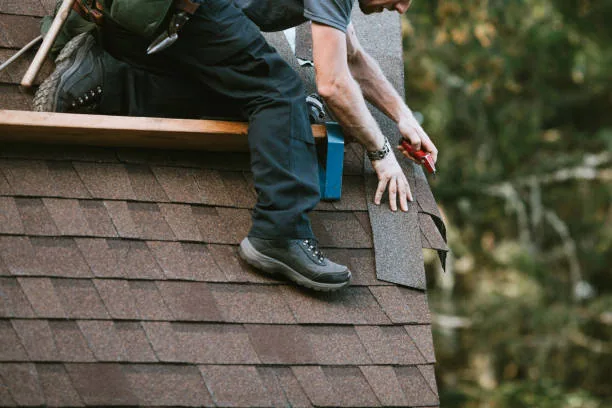
Call our team if you need advice for your property or roofing project.
04 888 0115A leak that appears only in very heavy rain, close to an outside wall, often points to overflow or a gutter joint. Leaks in the middle of a ceiling, or ones that show up only when rain is driven from one direction, suggest flashings or roofing. Internal gutters blur the line. Our roof leak detection service traces the water path before we recommend a fix.
You can, but it seldom lasts on its own. General-purpose silicone may not bond well to old coated steel or PVC, and smearing it over a dirty or rusty joint traps moisture underneath. If the joint is moving, the sealant tears again with the next temperature swing. A lasting reseal means removing old sealant, cleaning to sound material, refixing, then sealing with a gutter-rated product.
Far less disruptive than replacement, which often means lifting large areas of roofing and sometimes cladding. For relining we usually lift only the edge of the roofing along the gutter, prepare the surface and install the lining. The work depends on dry weather, so we plan around forecasts and keep the gutter temporarily protected overnight.
Relining an existing internal gutter with a comparable membrane is often treated as maintenance. If the work changes the gutter's size, falls, outlets or structure, or adds overflows, it may need consent. We'll confirm with council before work begins and build any consent time into the plan.
PVC systems are joined either with rubber-sealed joiners or solvent cement, depending on the product. Where rubber seals have perished, new seals or joiners can work well. If the PVC itself is chalky, brittle or cracked near the brackets, resealing will not last and replacement is usually the better value.
Experience a top-notch roofing services wherever you are in Wellington. Get in touch with our team and will come back with you a free, no-obligation estimate for any roofing service.