
Reducing Condensation
Poor ventilation traps moist air in the roof space, causing mould and timber decay. We install vents that keep air moving, protecting your roof structure and your family's indoor air quality.

Roof ventilation in Wellington is about letting moist air escape from the space between your ceiling and your roof. Without it, warm, damp air from inside the house rises into the roof space, meets the cold underside of the roofing and condenses. The result is water dripping onto insulation, stained ceilings, mould on timber and, under metal roofs, rust that starts from the inside. Many people mistake condensation for a leak.
Wellington homes are prone to it. Damp winters, clear cold nights that chill metal roofs quickly, and houses kept closed up against the wind all trap moisture indoors. Showers, cooking, drying clothes inside and unflued gas heaters add more. Older villas tend to be draughty enough to breathe, but many 1960s–80s homes and recently insulated houses are tighter, and the moisture has nowhere to go but up.
Poor ventilation traps moist air in the roof space, causing mould and timber decay. We install vents that keep air moving, protecting your roof structure and your family's indoor air quality.
Balanced intake and exhaust ventilation works best. We fit ridge vents, eave vents and powered options suited to your roof design, improving airflow without compromising weatherproofing, with honest practical advice.
A well-ventilated roof space stays cooler in summer and drier in winter, helping insulation perform properly and reducing the energy needed to keep your Wellington home comfortable, backed by experience.
Condensation problems tend to show up in winter and are often blamed on the roofing. These are the signs that point to moisture rather than a leak.
Water spotting on ceilings after a clear, cold night with no rain is a classic sign. The metal cools overnight and moisture condenses on its underside, then drips as it warms.
Dark mould on timber, sarking or the back of the underlay shows the roof space has stayed damp for long periods. It often appears first on the coldest, south-facing slopes.
Insulation that feels wet or has compacted loses much of its effect, which makes the ceiling colder and the condensation worse. It becomes a cycle that feeds itself.
Corrosion on the inside face of a metal roof, especially around fixings, often comes from condensation rather than rain. It can go unnoticed until it finally shows from outside.
A damp, musty smell near the ceiling hatch or in rooms below the roof space suggests mould is growing above. It is often worst when the house is shut up in cold weather.
Condensation that runs down the underside of the roofing collects at the low end of the slope. Water marks on soffit linings or the tops of walls can be the first visible sign.
A roof space ventilates best when air comes in low and leaves high. The right combination depends on the roof shape, the profile of the roofing and how much moisture the house produces, so we look at all three before recommending anything.
Vents in the soffit linings or at the eaves let fresh air in at the low point. They must stay clear of insulation, so baffles are often fitted to keep the path open. See eaves and soffit lining for the linings themselves.
A vented ridge lets warm, moist air out at the highest point. On metal roofs, purpose-made vented ridge systems let air escape while keeping wind-driven rain out.
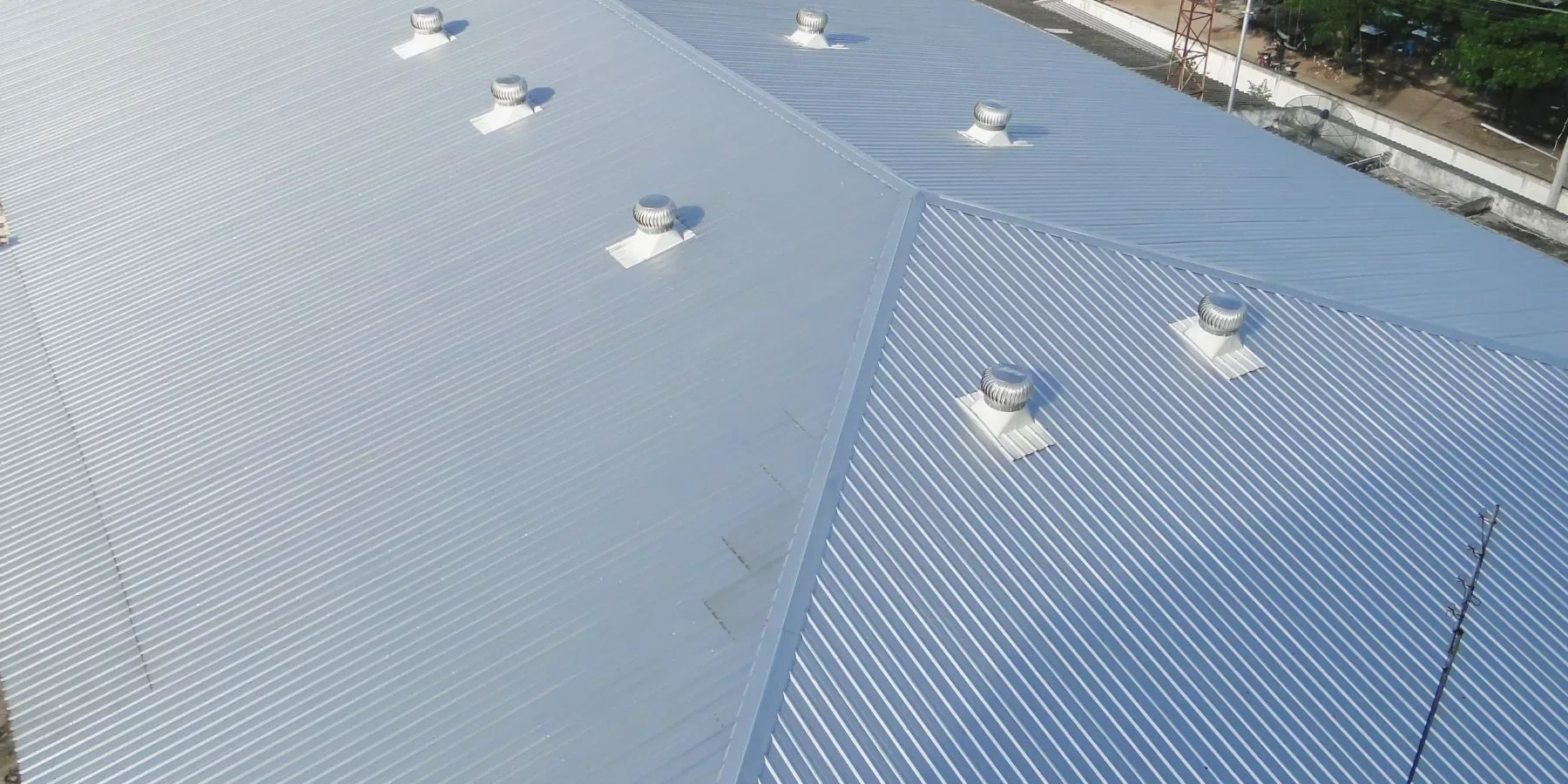
Wind-driven turbine vents and static vents on the roof slope draw air out using wind and natural convection. They suit roofs where a vented ridge is not practical, and windy sites help them work.
Louvred vents high in the gable walls let air move through the roof space from end to end. On exposed sites they need hoods or baffles, as a gable facing the prevailing wind can let rain straight in.
On concrete and terracotta tile roofs, purpose-made vent tiles replace standard tiles on the slope or near the ridge. They match the tile profile, so air can escape without a separate penetration to flash.
Mains or solar-powered fans actively extract air. They can help in awkward roof spaces, but they need proper intake vents, otherwise they pull warm air up from the house through ceiling gaps.
Ventilation works together with the roof underlay. A suitable underlay under metal catches the condensation that does form and lets it drain to the spouting, while still allowing water vapour to pass. Old or missing underlay means drips land straight on the ceiling. If your roof is being re-sheeted, it is the ideal time to install new roof underlay and ventilation together.
It also pays to cut the moisture at its source. Bathroom and kitchen extractor fans should be ducted to the outside, not simply into the roof space, which we find surprisingly often. Fixing that first can make more difference than any vent on the roof.
On a windy Wellington site, every vent has to keep rain out as well as let air through. We position and flash vents so gusts cannot drive water in, using details consistent with Building Code clause E2.
Skillion and raking ceilings, where the lining is fixed directly under the rafters, leave very little space for air to move. These roofs often need a ventilated cavity built in, or a careful combination of underlay, insulation and vapour control. That is usually best done when the roof is open during reroofing or roof insulation work, because what can be achieved from inside is limited.
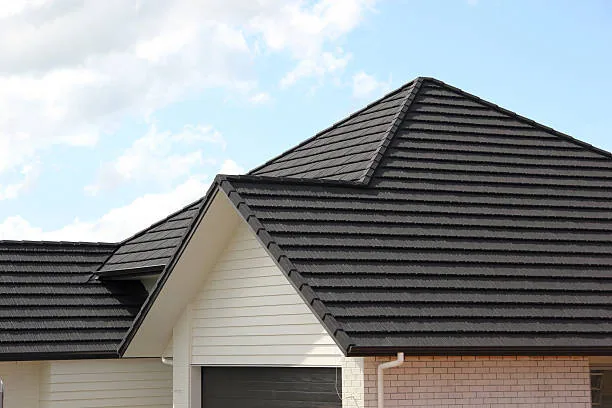
Poor ventilation quietly damages homes, trapping moist air in the roof space where it feeds mould, rots timber and undermines insulation. Our specialists assess airflow, insulation and moisture sources before recommending a solution, because the right answer differs from house to house. We install ridge vents, eave vents and powered options that keep air moving without compromising weatherproofing. In Wellington's damp climate, proper ventilation can make a noticeable difference to indoor air quality and heating costs. We explain the problem in plain language, install the system neatly and check that it performs as intended. The result is a drier, healthier roof space and a more comfortable home. Get in touch today.
Ventilation is one part of keeping a roof dry from the inside. These related services deal with the layers and openings that affect it.

Call our team if you need advice for your property or roofing project.
04 888 0115Timing is the best clue. Leaks show up during or soon after rain, especially wind-driven rain. Condensation appears on cold, still mornings, often after clear nights, and can happen when it has not rained for days. Widespread spotting across a ceiling suggests condensation, while a single stain usually points to a leak. Checking the roof space confirms it.
Wind-driven turbine vents can work well here, because there is rarely a shortage of wind. They need enough intake air at the eaves to be effective, and they must be properly flashed to the roof profile. On their own, in a roof space with no air coming in, they do much less.
Openings in the wrong places can let in wind-driven rain, or short-circuit the airflow so parts of the roof space stay damp. Powered fans without intake vents can also draw warm air from the house through gaps in the ceiling. The goal is balanced intake and exhaust, not simply more vents.
Ventilating the roof space does not ventilate the rooms below, as long as the ceiling is reasonably airtight and insulated. The aim is to keep the roof space dry, which helps the insulation perform. Sealing gaps around ceiling hatches and downlights keeps warm air in the house where you want it.
No. Venting a bathroom or kitchen fan into the roof space dumps moisture exactly where it does the most harm. The duct should run to an outlet through the roof, wall or soffit. When we are working on the roof, we can fit a properly flashed outlet so the fan can be ducted outside.
Experience a top-notch roofing services wherever you are in Wellington. Get in touch with our team and will come back with you a free, no-obligation estimate for any roofing service.