
Re-hanging Sagging Gutters
Gutters that sag hold standing water, overflow and pull away from the fascia. We re-hang them with corrected falls so water flows smoothly to the downpipes, to a high standard.
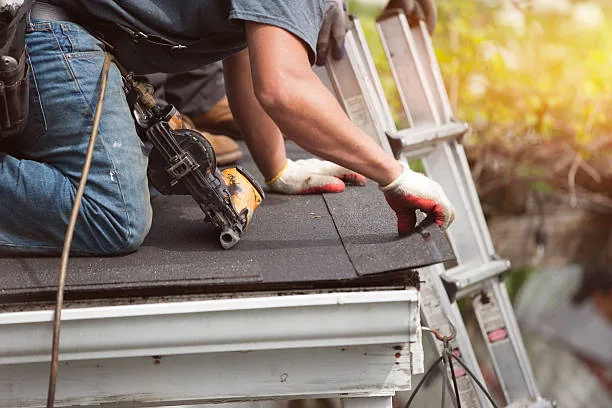
Gutter realignment in Wellington means taking down spouting that has sagged, twisted or lost its fall, then re-hanging it so water runs steadily to the outlets. The spouting itself is usually reused, with new brackets and fixings where the old ones have failed. It is the right fix when the gutter material is sound but water ponds, overflows at the same spot, or drips along the front edge.
Wellington homes move more than most. Years of small earthquakes, settling piles on hillside sections, timber fascias shrinking and swelling, and gusts working at the brackets all pull runs out of line. Ladders leaned on spouting and loads of wet leaves add their share. The result is low spots that hold water, corrode steel from the inside and send overflow back toward the house.
Gutters that sag hold standing water, overflow and pull away from the fascia. We re-hang them with corrected falls so water flows smoothly to the downpipes, to a high standard.
Worn or missing brackets are the main cause of drooping gutters. We add and replace brackets at proper spacing to carry the weight of water, debris and storm loads.
Realigning gutters often solves overflow without needing replacement. We adjust levels, check joints and test flow, ensuring rainwater is captured and carried away from your home properly, from day one.
Misalignment is easiest to spot during or just after rain. Walk around the house and look along the roofline for these.
Puddles that remain in the spouting a day after rain mark a low spot. Standing water grows moss and corrodes steel, and in winter it adds weight that drags the run lower still.
If water spills over at the same place in every heavy shower, the gutter there is probably lower than the outlet, or bowed downward between two brackets.
Sight along the front edge from one end. A straight, gently sloping line is right. A wave, a dip between brackets, or a run that falls away from the downpipe is not.
Spouting pulling away from the fascia leaves a gap where roof water runs down behind it. This usually means brackets have loosened or the timber behind them has softened.
Water running along the underside of the front edge and dripping off can mean the gutter has tipped forward on its brackets. Re-hanging corrects the tilt as well as the fall.
When a run drops, the outlet spigot can lift out of the downpipe or tilt so water misses it. Look for a gap at the downpipe top or splash marks on the cladding.
We start by setting a string line from the high point of each run to its outlet, so the correct fall is visible against the existing spouting. The aim is a steady, consistent slope: enough for water to move and carry silt with it, but not so much that the low end drops well below the roof edge and lets heavy rain shoot straight over the gutter.
The spouting is then released in sections, brackets are moved or replaced to the new line, and the gutter is clipped back in. Bracket spacing is tightened on exposed sites. Joints disturbed in the process are resealed, and a cracked length or leaking corner found along the way can be fixed through gutter repair on the same visit. Long runs with a single outlet sometimes cannot get enough fall without looking odd; adding a second outlet and splitting the fall both ways is often neater, coordinated with downpipe installation.
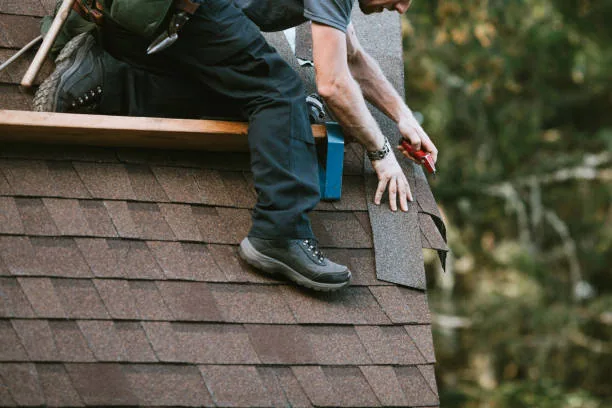
A gutter is only as straight as what it hangs from. Realignment includes checking the parts that caused the sag in the first place, otherwise the run drops again.
Steel brackets rust at their fixing points and bend under the weight of water and debris. We replace them with brackets matched to the profile and material, using compatible fixings.
Screws pull out of rotten fascia, so the spouting slowly drops. Where boards are soft, we replace short sections or recommend fascia repair before re-hanging.
On older villas the rafter ends are often uneven, so the fascia itself wavers. Packing or adjustable brackets keep the gutter on a true line even when the timber behind it is not.
Old, dense native timber fascias split easily if fixings are driven carelessly. Pre-drilling and the right fasteners matter more than speed on these boards.
Corners and joiners carry extra weight and are stiffer than the lengths beside them, so runs tend to sag next to them. A bracket close to each side keeps the joint supported.
A downpipe with loose or missing clips hangs off the gutter outlet and drags that end of the run down. We refix the clips so the outlet stops carrying the pipe.
Gutters that sag, tilt the wrong way or pull away from the fascia hold standing water and overflow at the worst moments. Our specialists restore correct falls by re-hanging gutters accurately, replacing worn brackets and adding extra support where loads demand it. We test flow after adjustment, so we know water reaches the downpipes properly rather than assuming the job is done. Realignment often solves overflow problems without the cost of full replacement, and we will always say if your gutters are beyond saving. For Wellington homeowners dealing with overflowing or drooping gutters, it is a quick, affordable fix that protects fascia, cladding and foundations. Ask us anything before you commit.
Realignment pairs naturally with these jobs, especially where sagging spouting has already caused leaks, rot or fascia damage behind it.
Call our team if you need advice for your property or roofing project.
04 888 0115Enough to drain steadily without being obvious from the street. The right fall depends on the profile, the run length and where the outlets are, and spouting manufacturers publish recommended minimums for their systems. In practice we aim for a consistent slope with no flat spots, and we check it with water after re-hanging rather than trusting the eye alone.
Usually, if the gutter itself is in good condition. Most sagging comes from failed brackets or soft fascia rather than the spouting. Re-hanging on new brackets restores the line for less than the cost of replacement. If the spouting is rusted through or brittle, though, taking it down may break it, and replacement becomes the sensible choice.
Common reasons are a low spot that collects water away from the outlet, a run that falls the wrong way, too few outlets for the roof area, or a blocked downpipe below the gutter. Realignment fixes the first two. If the gutter is simply undersized, adding outlets or upgrading the profile is the answer. We check which applies before recommending work.
It may have contributed. Strong shaking can loosen brackets and shift a house slightly on its foundations, and on hillside sites ground movement can change how the roofline sits. Gradual causes such as rotting fascia and corroded brackets are more common, though. If you suspect structural movement, have the foundations checked as well, and keep photos of the damage.
A typical single-storey house is often done within a day, depending on how many runs need re-hanging and whether brackets or fascia sections need replacing. Two-storey homes and steep sites take longer because of access. We give you an expected timeframe with the quote, and we will not hang spouting in strong wind.
Experience a top-notch roofing services wherever you are in Wellington. Get in touch with our team and will come back with you a free, no-obligation estimate for any roofing service.