
New Soffit Lining
We install fibre cement, plywood or aluminium soffit linings under your eaves, giving a smooth, tidy finish that closes the roof edge and protects framing from moisture and pests.
The eaves lining, or soffit, is the flat or sloping sheet underneath the roof overhang. It closes off the roof space from birds, insects and wind-driven rain, and it is one of the most visible surfaces on the outside of your house when you look up. When it sags, cracks, stains or comes loose, the whole house looks run-down, and gaps let weather into the roof space. We repair and replace eaves and soffit lining in Wellington so it looks tidy and keeps the weather out.
This service covers relining whole eaves or long sections, rather than patching a single water-damaged sheet. It often comes up when a house is being repainted, reclad or re-roofed, or when old linings are cracked beyond repair. Many Wellington homes built from the 1950s to the 1980s have original linings that need testing for asbestos before anyone cuts or removes them.
We install fibre cement, plywood or aluminium soffit linings under your eaves, giving a smooth, tidy finish that closes the roof edge and protects framing from moisture and pests.
Perforated soffit panels allow roof space ventilation, reducing condensation and mould risk. We select and install lining that balances airflow with weather protection for your Wellington home, backed by experience.
Stained, sagging or damaged lining is repaired or replaced and repainted to match the existing exterior, restoring a clean, uniform appearance around the whole perimeter of your roof, with care.
Flat sheet soffit linings on many homes of that era were made from asbestos cement. They look much like modern fibre-cement, so appearance alone doesn't tell you. Before any older lining is drilled, cut, sanded or removed, we arrange for a sample to be tested by an accredited laboratory.
If asbestos is present, removal is carried out by a WorkSafe-licensed asbestos removalist under the Health and Safety at Work (Asbestos) Regulations 2016, and the area is cleared before relining starts. Overlaying sound sheets is sometimes discussed as an alternative, but removal is often the cleaner long-term answer. Our asbestos roof removal and replacement page explains how licensed removal is organised.
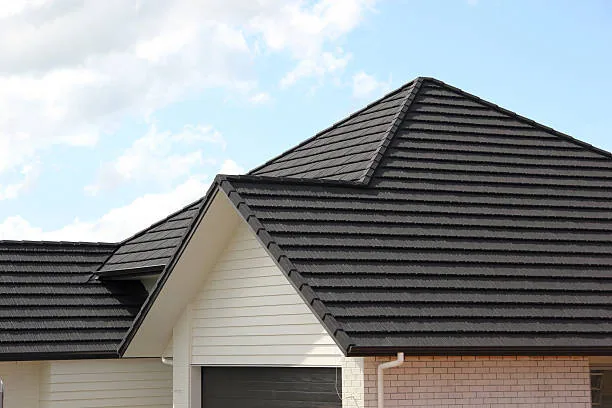
The right lining depends on the style of the house, how exposed the eaves are and how much maintenance you are prepared to do.
The standard choice for most homes. It is stable, non-combustible and takes paint well, and comes in sizes to suit both flat and raking eaves. Joints are finished with jointers or battens so the sheets can move without cracking.
Traditional on villas and bungalows, and used on architectural homes where a natural finish is wanted. It needs regular paint or stain, especially on exposed elevations, but suits character homes where flat sheet would look out of place.
Exterior-grade plywood gives a warm look on some contemporary homes. Edges and faces must be well sealed, and it suits sheltered eaves better than ones facing the prevailing weather.
Low-maintenance panels that don't need painting. They suit some homes well, but long runs need allowance for expansion, and colour choices are narrower than with painted sheet.
Folded prepainted steel or aluminium panels need no painting and can be colour-matched to the fascia and spouting. They suit commercial and contemporary homes, and near the coast the grade is chosen for the exposure zone.
Spaced timber battens over an insect-meshed, ventilated backing give a warm, architectural finish on contemporary homes. They need regular oiling or staining, and suit sheltered eaves better than exposed, salt-laden ones near the coast.
Relining is a good opportunity to improve roof-space ventilation. Vented soffits or discreet vent strips let air move through the roof space, helping carry away moisture that would otherwise condense on the underside of the roofing in cold Wellington winters. Vents need insect mesh and must be positioned so wind-driven rain can't blow straight in. Our roof ventilation page explains how this ties in with the rest of the roof.
With the old lining off, we check the soffit framing, the back of the fascia and the top of the wall framing for water damage or decay, and fix any issues before new sheet goes up. Sheets are fixed to suit the framing and wind exposure, joints are detailed for movement, and the new lining is primed and painted. If leaking spouting above caused the damage, that is fixed first through fascia and soffit repair.
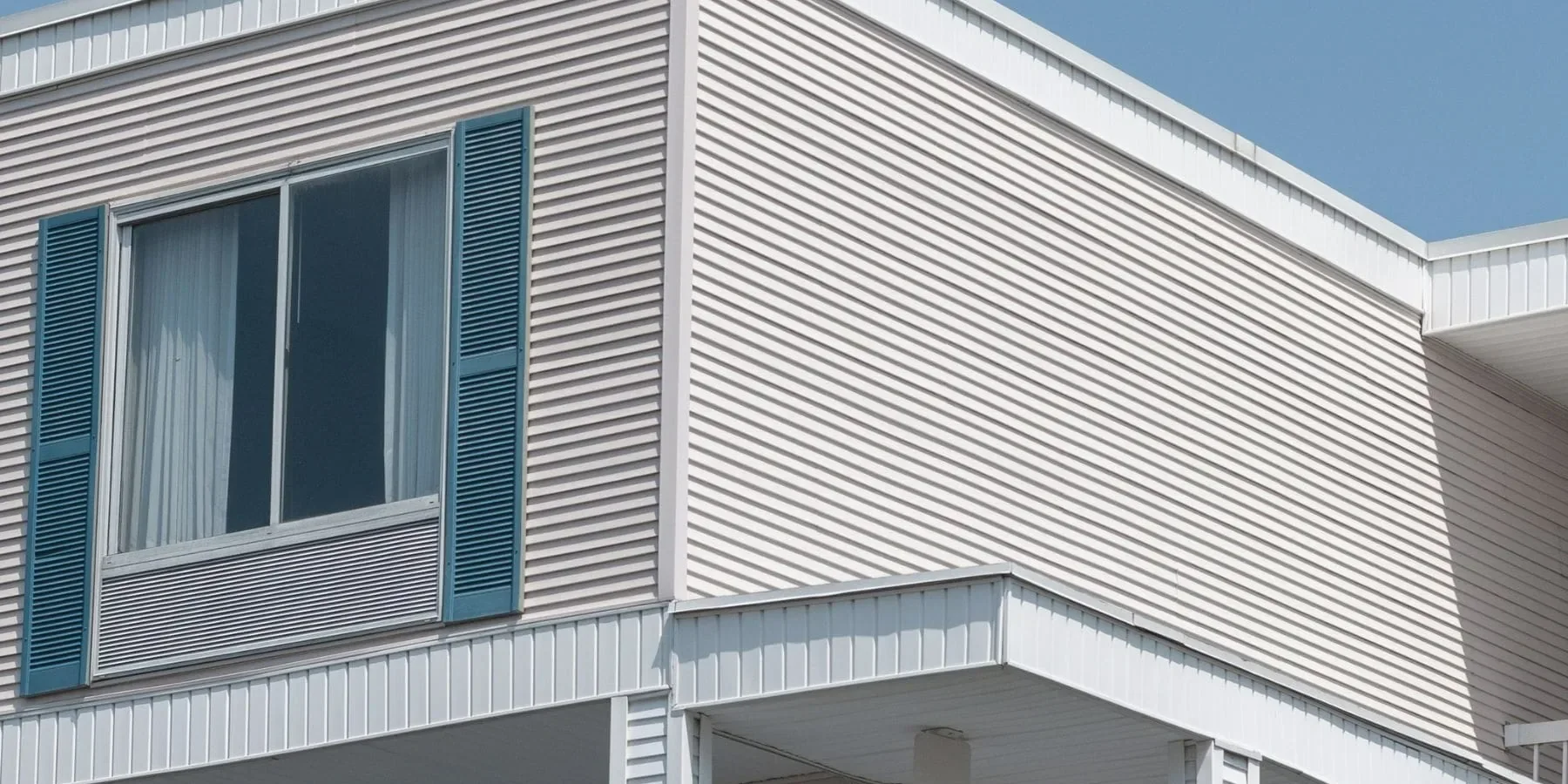
A neat eave lining does more than finish the roof edge, because it also protects framing from moisture and stops birds and pests from moving in. Our installers fit fibre cement, plywood or aluminium soffit lining accurately, with clean joints, secure fixings and tidy trim. Where ventilation matters, we select perforated panels that let the roof space breathe without letting weather in. Stained, sagging or damaged linings are repaired or replaced and repainted to match the existing exterior. Our crews work carefully at height, protect surrounding surfaces and clean up thoroughly. You get a smart, durable finish around the whole perimeter of your Wellington home. Contact our local team today.
Eaves relining often fits into a wider exterior project, so these related services are worth considering at the same time.
Call our team if you need advice for your property or roofing project.
04 888 0115You can't tell by looking. Flat sheet soffits on homes built from the 1950s to the 1980s are worth testing before any work. A small sample is taken and analysed by an accredited laboratory. Until the results are back, avoid drilling, cutting or sanding the sheets. Sound, painted sheets left undisturbed are generally a lower concern than damaged ones.
Sagging usually means the sheets have absorbed water from leaking spouting or roof edges, the fixings have corroded, or the framing behind has moved or decayed. Wind pressure under the eaves on exposed sites can also work fixings loose over time. Relining without finding the cause means the problem comes back.
Not every roof needs soffit vents, but many benefit, especially older homes with no underlay or where condensation forms in the roof space. Vents at the eaves, paired with outlets higher up, let moist air escape. The right design depends on the roof type and insulation, so we look at the whole roof space first.
Sometimes, if the old lining is flat and sound and doesn't need removing. Overlaying adds thickness, and the trims at the wall and fascia need adjusting to suit. In most cases, removing the old linings and checking the framing gives a better result and avoids hiding water damage.
Before. Relining involves fixing, jointing and priming new sheets, and it often disturbs the fascia and wall trims. Doing it first means the house can be painted in one coordinated pass, with the new linings finished in the same colour scheme as the rest of the exterior.
Experience a top-notch roofing services wherever you are in Wellington. Get in touch with our team and will come back with you a free, no-obligation estimate for any roofing service.