
Edge Protection Installation
We install guardrails and edge protection on commercial and industrial roofs, helping Wellington building owners meet health and safety obligations while keeping contractors and maintenance staff safe at height.
Commercial and industrial roofs get far more traffic than most owners realise, which is where roof safety systems and edge protection in Wellington come in. Heat pump and air conditioning technicians, electricians, cleaners, spouting contractors, telecommunications crews and roofers all need to get up there and move around safely. Permanent systems, including anchors, static lines, walkways and guardrails, give them a safe way to do that, and temporary edge protection does the same job during construction and maintenance.
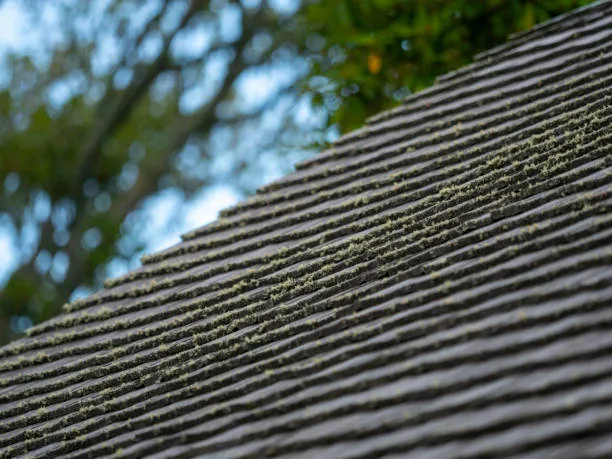
In Wellington, height safety comes with extra challenges. Gusts can knock a worker off balance near an edge, roofs are often wet or mossy, and many buildings sit on sloping sites where one side is much higher than the other. Fragile roof lights and older fibre-cement sheets add fall-through risk. We plan and install systems that suit the roof, the people using it and the tasks they carry out.
We install guardrails and edge protection on commercial and industrial roofs, helping Wellington building owners meet health and safety obligations while keeping contractors and maintenance staff safe at height.
Certified anchor points and static lines let workers clip on safely when accessing the roof. We design and fit systems that suit your building and its maintenance needs, with care.
Safety systems require regular inspection and recertification. We provide documentation and ongoing servicing so your property stays compliant with WorkSafe expectations and your liability risk is reduced, backed by experience.
Under the Health and Safety at Work Act 2015, businesses that manage or control a workplace, or engage people to work there, have duties to manage risks, including falls from height. WorkSafe's guidance on working at height sets out a clear order: eliminate the need to go on the roof where possible, then prevent falls with edge protection or guardrails, then use fall restraint, and rely on fall arrest only where other controls are not practicable.
In practice, a permanent safety system is often the most sensible option for a roof that is accessed regularly. It saves setting up temporary measures every time a contractor visits and makes it straightforward for them to work safely.
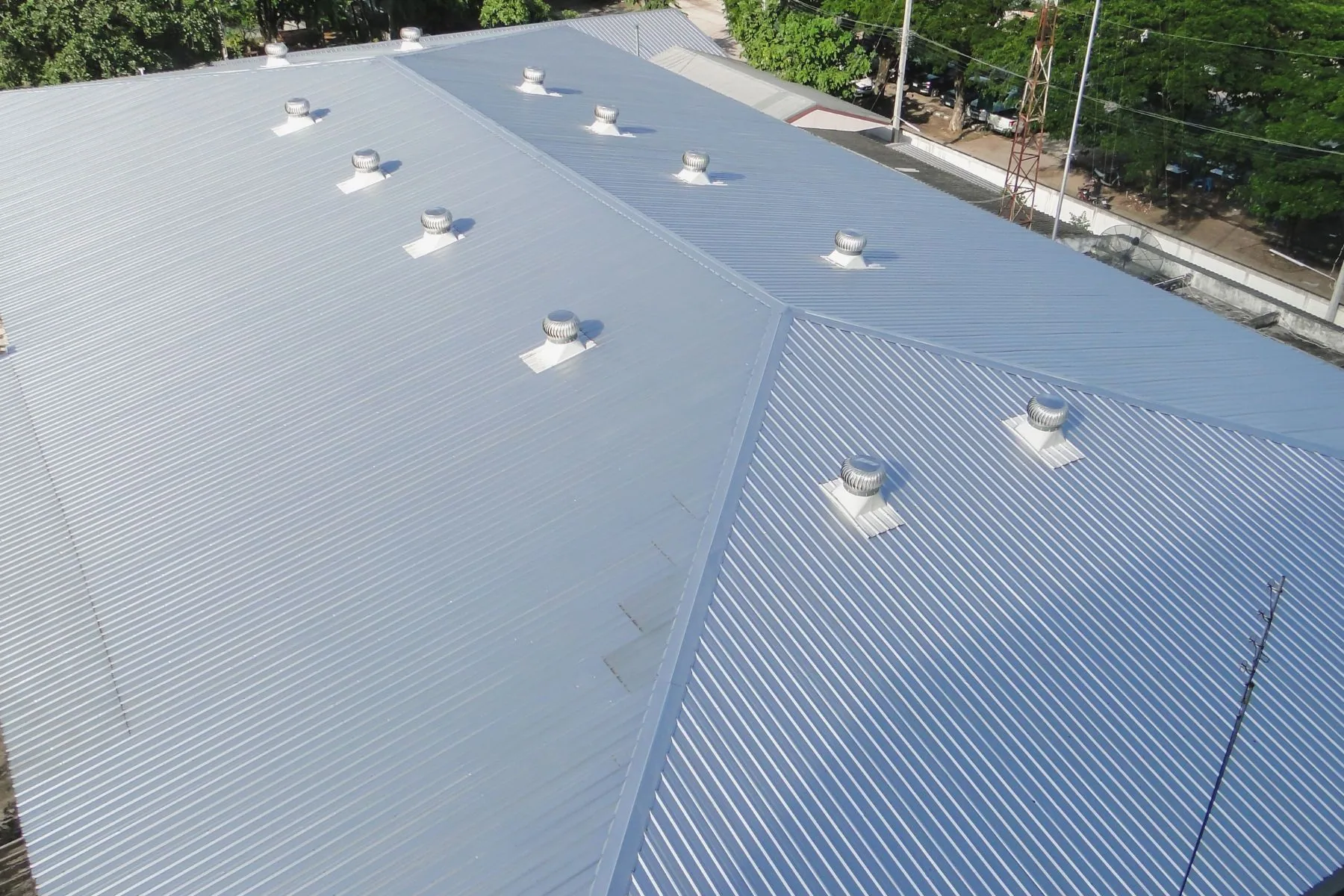
The right combination depends on the roof shape, its structure and who needs to get where. Most commercial roofs end up with a mix of these components.
Individual anchors let a worker attach a harness and lanyard. They must be fixed into the building's structure, not just the roof sheet, and positioned so a fall is restrained or arrested safely.
A horizontal cable or rail system lets workers stay attached while moving along the roof, without unclipping between anchors. Well suited to long runs out to plant or along the spouting.
Raised walkways with non-slip treads protect both workers and the roof, keeping foot traffic off the sheets and away from fragile roof lights. Handrails can be added on exposed sections.
Permanent guardrails at roof edges, around plant platforms and at access hatches stop falls without needing harnesses at all, which makes them the preferred control wherever practicable.
Mesh, screens or guarding over skylights and translucent sheets reduce fall-through risk where they sit near walkways, plant or other regular work areas.
Getting onto the roof is part of the system. Fixed ladders with stiles extending above the edge, or roof hatches, avoid relying on a loose ladder on a wet, windy day.
Fall-arrest and restraint equipment, including anchors and horizontal lifelines, is covered by the AS/NZS 1891 series of standards. Every penetration through the roof for an anchor or post also needs to be sealed and flashed so the safety system does not become a leak, consistent with Building Code clause E2.
A system is only as good as its upkeep. Anchors and static lines need periodic inspection by a competent person at the intervals set by the manufacturer and the relevant standards, and the building should keep a roof plan showing where anchors are and how they are used. People using the system need to be trained in it. We can advise on the records worth keeping.
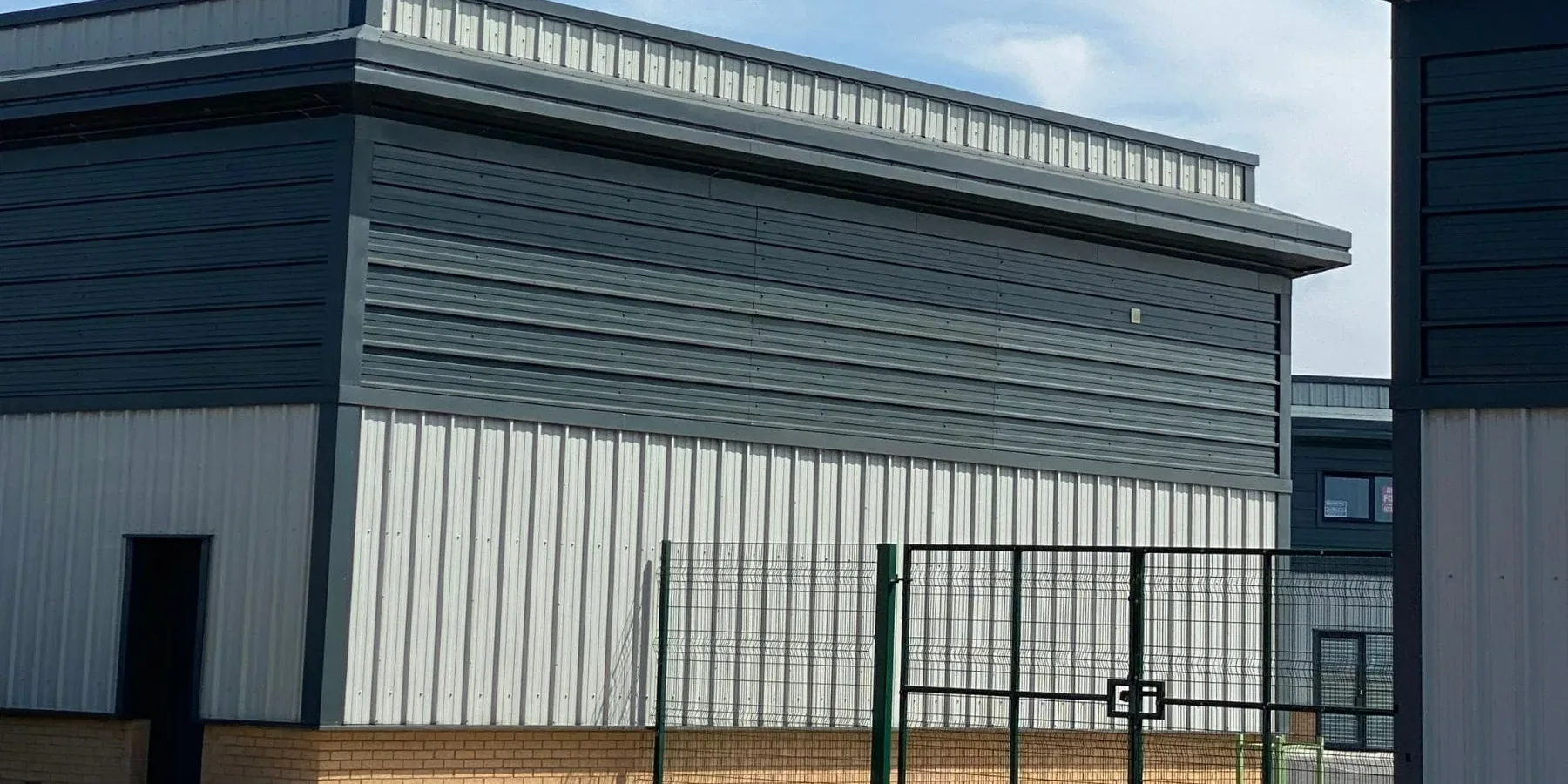
During reroofing, repairs and new construction, temporary edge protection is often the main fall control. It clamps to the building or sits on scaffolding at the eaves and is designed to AS/NZS 4994, the standard for temporary edge protection on roofs. On low-pitched commercial roofs, it lets work go ahead without every person needing to be tied off.
We set up edge protection or scaffolding before roof work on our own jobs, and on exposed Wellington sites we allow for wind loading, since mesh and netting can catch a lot of wind. If your building needs commercial roofing work, height safety is part of the plan from the start, and a new roof is a good time to add permanent anchors.
Working safely at height is a legal duty for building owners and a practical necessity for anyone maintaining a roof. Our installers design and fit edge protection, guardrails, anchor points and static lines that suit your building and the way it is actually used. We consider access, roof type and maintenance needs, so the system is practical for the people relying on it. Installations are neat, properly fixed and documented, which supports your health and safety obligations. We also provide ongoing servicing and recertification so your equipment stays compliant. For Wellington property owners and managers, it means safer sites, fewer liability worries and straightforward support whenever you need it.
Safety systems are usually planned alongside other work on larger buildings. These related services are the ones that most often go together.
Call our team if you need advice for your property or roofing project.
04 888 0115If people need to access the roof for maintenance and there is no permanent edge protection, some form of fall protection is needed every time they go up. Anchors or static lines are a common answer, but guardrails may be better where practical, because they protect everyone without harnesses. The right choice depends on how often the roof is accessed and for what.
Fall restraint stops a worker reaching an edge or fragile surface in the first place, using a lanyard short enough to hold them back. Fall arrest stops a fall that has already started, which still carries injury risk and needs a rescue plan. WorkSafe guidance prefers restraint over arrest wherever it is practicable.
Inspection intervals are set by the manufacturer and the AS/NZS 1891 standards, and anchors should also be checked after any fall or damage. Many building owners build anchor inspections into a regular maintenance schedule so they are not forgotten. A roof maintenance plan is a simple way to keep track.
Yes. Anchors, static lines, walkways and guardrails can all be retrofitted. The key is fixing into the structure, which may mean checking purlins, rafters or steelwork first, and sealing every penetration properly. On a roof that is due for replacement, installing the system as part of the new roof is usually simpler.
For roof work on houses, temporary edge protection or scaffolding is commonly used to prevent falls during the job, particularly on two-storey homes and steep or hillside sites. Homes rarely need permanent systems, though anchors are sometimes added where regular access is needed, for example to clean or service solar panels.
Experience a top-notch roofing services wherever you are in Wellington. Get in touch with our team and will come back with you a free, no-obligation estimate for any roofing service.