
Thorough Condition Assessment
We inspect roofing, flashings, gutters and penetrations for wear, corrosion, movement and damage, giving you an honest picture of your roof's current condition and remaining lifespan, to a high standard.
Most people never see their own roof up close, so its condition is a guess until something goes wrong. Roof inspections and reports in Wellington replace the guess with evidence. We go on to the roof and, where access allows, into the roof space, then give you a written report with photos and a condition rating for each part, so you know what is sound, what needs watching and what needs work.
Our reports are used by home buyers across Wellington, Lower Hutt, Upper Hutt and Porirua, by owners whose insurer has asked about the roof, by landlords and body corporates planning maintenance, and by people who want to know where they stand before spending money. The report is about the roof, not a sales pitch, and it says plainly when no work is needed.
We inspect roofing, flashings, gutters and penetrations for wear, corrosion, movement and damage, giving you an honest picture of your roof's current condition and remaining lifespan, to a high standard.
You receive a clear written report with photographs and prioritised recommendations, ideal for homeowners, landlords and property managers needing reliable documentation for decision-making or records, for Wellington homeowners and businesses.
Buying or insuring a property? Our inspections identify hidden defects before settlement and provide evidence of condition, helping you negotiate confidently and avoid unexpected repair costs, with honest practical advice.
The inspection itself is similar each time, but the report is written with its reader in mind, whether that is a buyer, an insurer, a property manager or you.
A general building report covers the whole house, and time on the roof is often limited. A roof-specific inspection checks fixings, laps, flashings and the roof space in detail, so you can factor repair or replacement into your offer.
Some insurers ask for evidence of a roof's condition at renewal or after a claim. We record what we see with photos, and separate storm damage from existing wear where the evidence allows, without taking sides.
For owners, landlords and body corporates, a report sets out what needs attention now, what can wait a few years and what to watch, so work can be budgeted and planned instead of rushed.
Coating a roof that is too far gone wastes money. A report confirms whether a roof is a good candidate for roof painting or roof restoration, or whether replacement is the better spend.
Knowing the roof's condition before a buyer's inspector looks at it lets you fix small items first or disclose them up front, rather than having a surprise finding reopen negotiations late in the sale.
After a significant shake, chimneys can crack, tiles and ridges can shift, and flashings at wall junctions can open up. A check records any damage while it is fresh, and flags anything that needs a builder or engineer.
Every report starts with the basics: roof material, profile, approximate pitch, signs of age, and how exposed the site is to wind and sea spray. We then work through each element in turn: the cladding, fixings and washers, laps and sheet ends, ridging, barges and apron flashings, penetrations, skylights and chimneys, then spouting, downpipes and any internal gutters.
Where we can get into the roof space, we check the underlay, look for water staining on timber and signs of condensation, note ventilation, and flag obvious structural concerns such as sagging or broken members. We also record what we could not see or reach, because a report is only as good as the access it had, and you should know its limits.
Each problem comes with a plain-English explanation of what it means and a recommended fix, ranked by priority. If you then want the work done, we'll give you a written quote, but the report stands on its own either way.
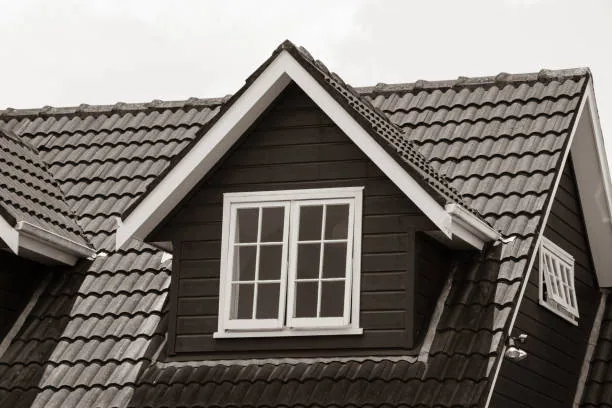
We rate each part of the roof rather than giving the whole roof one score, because a sound roof can still have one bad flashing. The ratings use plain language.
The element is sound and performing as it should. Routine maintenance is all it needs, and nothing in this category calls for action now.
Early wear, such as surface rust, fading or a few tired fixings. Not urgent, but worth addressing in the next round of maintenance before it turns into a repair.
A defect that is letting water in, or soon will, such as perforated steel, a failed flashing or a blocked valley. These items come with a recommended fix and a priority.
A defect that could cause damage or injury in the next wind or rain, such as a lifting sheet or loose ridge capping. We flag these to you directly, not just in the report.
Each rating is backed by a labelled photo showing exactly where the issue is. That makes the report useful to people who will never go on the roof, including buyers, insurers and trades pricing the work.
Ratings use the same scale on every visit, so a later inspection can show whether an item has held steady or slipped from fair to poor, and whether earlier repairs have done their job.
A roof inspection is only useful if it is thorough, honest and easy to understand, and that is how we approach every one. Our inspectors check roofing, flashings, gutters, penetrations and fixings for wear, corrosion, movement and damage. You receive a written report with clear photographs and prioritised recommendations, so you know what needs attention now, what can wait and what is simply fine. Landlords, property managers, buyers and homeowners all rely on our reports when making decisions about repairs, insurance and purchases. We have no interest in selling you work you do not need, only in giving you an accurate picture of your roof. Contact our local team today.
An inspection is often the first step. These services cover the repairs, maintenance and bigger decisions that usually come next.
Call our team if you need advice for your property or roofing project.
04 888 0115Yes. A general building inspection covers the whole property and is a valuable starting point, but time on the roof is limited and some roofs are viewed only from a ladder or the ground. A roofer's inspection focuses on the roof in detail, including fixings, laps, flashings and the roof space. Many buyers get both, particularly for older homes or where the building report flags roof concerns.
Where it is safe and the roof can take it, yes, because walking the roof is the only way to check fixings and laps properly. We walk metal roofs along the purlin lines to avoid denting. Some roofs, including asbestos-cement and brittle older tiles, cannot be walked safely, so we inspect those from ladders, the edges and the roof space instead, and say so in the report.
Tell us your deadline when you book, particularly for pre-purchase inspections where finance and due diligence dates matter, and we will tell you honestly whether we can meet it. The report comes as a written document with photos that you can pass to your lawyer, insurer or other trades.
Yes. The report is written for you to use however you need. It describes each issue and the recommended fix clearly enough for any competent roofer to price the work. We are happy to quote it as well, but there is no obligation to use us.
For most homes, a check every year or two is sensible, plus a look after any major storm. Roofs near the coast, under trees, or well into middle age benefit from more frequent checks. Many manufacturers of pre-painted steel also expect regular maintenance, and a roof maintenance plan builds those checks in with a record of each visit.
Experience a top-notch roofing services wherever you are in Wellington. Get in touch with our team and will come back with you a free, no-obligation estimate for any roofing service.