
Roofing for New Builds
We coordinate with builders and architects to install roofing that matches your plans, timeline and budget, protecting the frame from Wellington weather as soon as possible during construction, on schedule.
A roof on a brand-new house is only half of this work. The trickier half is the extension: a new kitchen, sunroom or second storey whose roof has to meet one that has been on the house for decades. We work with builders, designers and owner-builders on re-roofing for new builds and extensions in Wellington, installing roof cladding, flashings and spouting to the consented drawings and fitting in with the build programme.
Around Wellington, many extensions are added to villas, bungalows and 1960s–80s homes on sloping, exposed sites. The new roof has to match the old one closely enough to look intended, and the junction between them has to stay dry through southerly rain and years of small seismic movement. That junction is where most extension leaks start, so it gets most of our attention.
We coordinate with builders and architects to install roofing that matches your plans, timeline and budget, protecting the frame from Wellington weather as soon as possible during construction, on schedule.
Joining a new roof to an existing one demands careful flashing and matched materials. We blend old and new rooflines so your extension looks seamless and stays completely watertight.
Every new roof is installed to New Zealand Building Code standards with correct fixings, underlay and ventilation, giving you the documentation and confidence needed for council sign-off, from a local team.
There are only a few ways a new roof can meet an old one. It can run into a wall under an apron flashing, meet the existing roof in a new valley, or the old roof can be cut back so the two join into a single plane. Each needs flashings made to suit the actual profiles and pitches on site, not stock trims bent to fit.
Older homes may have corrugate or other profiles that differ slightly from what is rolled today. We check rib spacing and depth on the existing roof so new sheets and flashings sit properly, and tell you early if an exact match is not possible.
The same named Colorsteel colour on new sheets will look different from a roof that has faded for many years. Sometimes the better answer is a deliberate visual break, or repainting the old roof once the new one is on.
Apron flashings, valleys and change-of-pitch flashings are where water is most likely to get in. They need enough cover, turned-up edges and stop-ends, and fixings placed so they never puncture the water channel.
An extension often changes where water drains. A new roof can push extra water into an old spouting run or a valley never sized for it, so we check gutters, downpipes and outlet positions as part of the roof layout.
Where the old roof has perished building paper or no underlay at all, the new underlay still has to lap and drain properly at the junction, so any water that gets under the cladding runs out rather than into the wall.
New framing shrinks as it dries and settles differently from a house that has stood for decades, and an earthquake can move the two parts independently. Flashings at the join need enough cover and room to slide so they do not tear or open up.
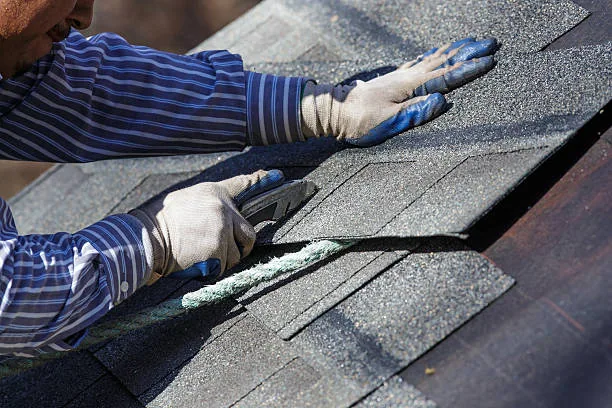
New builds and extensions almost always need building consent, and the roof is part of it. We work from the consented plans and specification, check that the specified profile suits the pitch and the site's wind zone, and raise any clash with the designer or builder before sheets are ordered, not after. If a change is needed, it goes back through the proper channel so the build stays as consented.
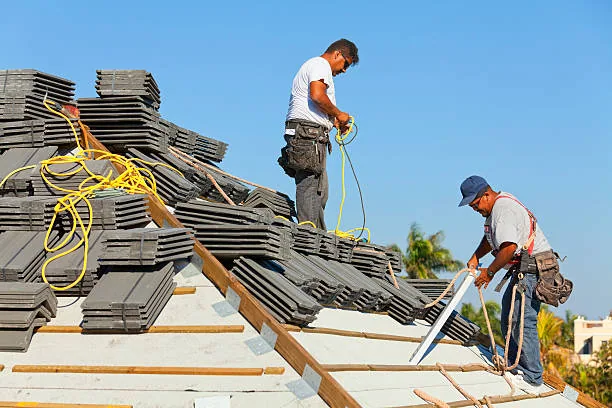
On site, we fit around the builder's programme: framing and purlins complete and checked, roof underlay installed, then cladding and flashings so the building is closed in as quickly as the weather allows. Council inspections usually look at roofing before linings go in, so we keep photos of underlay, fixings and flashings. Our guide to new roof council requirements covers the consent side in more detail.
A clear quote for a new build or extension starts with good information. The more of this we have up front, the fewer surprises there are later for you and your builder.
Roof plans, elevations and sections show pitch, profile, penetrations and junctions. Draft plans are fine for an early estimate, and we can comment on roofing details while there is still time to change them cheaply.
The specification usually names the cladding, underlay, flashings and spouting. If it leaves choices open, we can explain the trade-offs, including which profiles suit low pitches and which hold up best on exposed hillside sites.
Steep sections, tight boundaries and narrow driveways affect how materials reach the roof. Knowing the programme and where scaffolding or edge protection will go lets us plan deliveries, lifting and the order of work.
For extensions, a few photos of the current roof, its profile, its colour and the spouting help us judge how the new work will meet the old before we visit.
Skylights, flues, extract fans and future solar panels all need flashings or mounting points through the roof. Knowing where they go before the cladding is ordered avoids cutting new holes into a finished roof later.
If the current roof leaks, has rusty laps or may be asbestos-cement, tell us early. It can change whether we tie into the old roof or replace part of it in the same job.
New builds and extensions run to tight schedules, and a delayed roof can hold up every trade that follows. Our team works alongside your builder, architect or project manager to keep roofing on track and the frame protected from Wellington weather as early as possible. We read the plans carefully, flag potential problems before they cost time, and install materials to Building Code requirements with the documentation council inspectors expect. When joining a new roof to an existing one, we take extra care with flashings and matching profiles. You get reliable communication, tidy sites and a finished roofline that looks like it was always meant to be there. Ask us anything before you commit.
These pages cover the other parts of a new roof or extension that we often handle within the same job.
Call our team if you need advice for your property or roofing project.
04 888 0115Almost always, because the extension itself is building work that needs consent, and the roof is covered as part of it. Some small detached structures can be exempt, depending on their size, location and use. Your designer or builder normally handles the application. We work to the consented drawings and flag anything that would need a variation.
We can usually match the profile closely, and we check the existing sheets before ordering. Colour is harder. A roof that has weathered for years will not look identical to new sheets in the same colour, and some older profiles are no longer made. We will tell you honestly what the join will look like and suggest options, such as repainting the existing roof so both sections match.
No. Reroofing replaces the roof cladding on an existing house. This work is about roofing new structure, whether a whole new house or an addition, and joining it to what is already there. If your existing roof is also tired, it can make sense to do both at once. See our reroofing page for whole-house roof replacement.
Ideally at the design stage, and certainly before the roof is framed. Low pitches, complex valleys, internal gutters and lots of penetrations all affect which products can be used. A quick review of the plans can save redesign later, and booking early helps us fit the cladding into your builder's programme so the house is closed in promptly.
Often, yes. A larger roof area sends more water to the same outlets, and the new roof may need its own downpipes or a larger spouting size. Where new downpipes connect to the stormwater system, those connections are made by a certifying drainlayer as part of how the job is organised. We plan the rainwater layout with the roof so it works from day one.
Experience a top-notch roofing services wherever you are in Wellington. Get in touch with our team and will come back with you a free, no-obligation estimate for any roofing service.