
Custom Flashing Fabrication
Flashings are bent and fitted to suit your roof's exact junctions, valleys and edges, ensuring water is directed away correctly and preventing leaks around the most vulnerable parts of the roof.
Flashings are the folded metal pieces that seal the joins on a roof: where the roof meets a wall, runs into a valley, finishes at a gable edge, or is broken by a pipe, vent or chimney. Good flashing installation and repair in Wellington matters because roof sheets rarely leak in the middle. It is the edges and junctions that let water in, which is why poorly made or ageing flashings cause so many of the leaks we are called out to.
Wellington weather tests every flashing. Rain arrives sideways, gusts push water uphill under short laps, and wind lifts edges that were only lightly fixed. Salt air on coastal sites corrodes cut edges and fasteners. Good flashing work means correct cover widths, turn-ups and stop-ends, compatible materials, and enough fixings for the wind zone, all of which we build into every flashing we fold and fit.
Flashings are bent and fitted to suit your roof's exact junctions, valleys and edges, ensuring water is directed away correctly and preventing leaks around the most vulnerable parts of the roof.
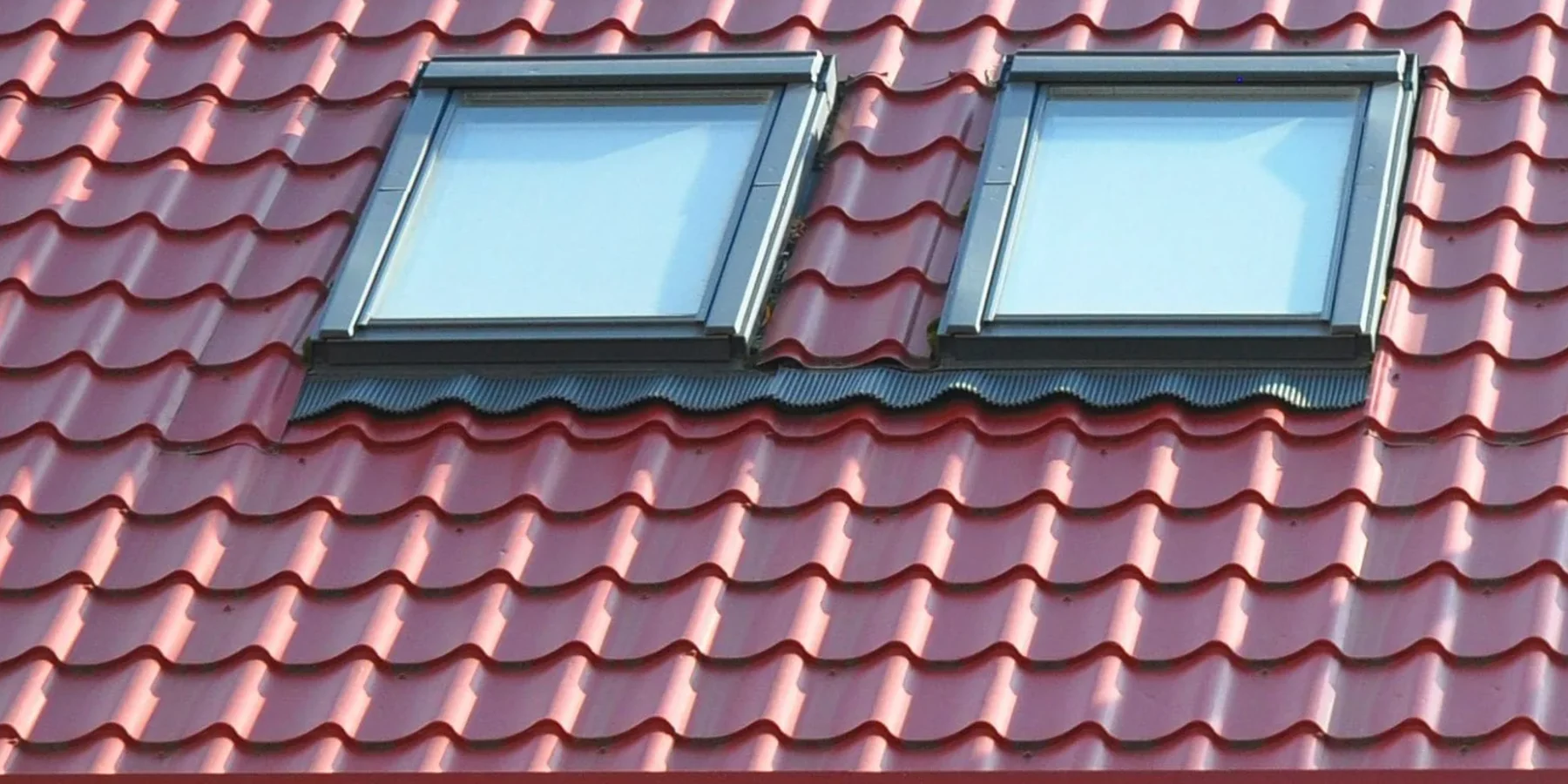
Vents, pipes, skylights and flues all need properly flashed penetrations. We install and replace them using durable materials, stopping the leaks that commonly develop around these trouble spots, with care.
Wellington's salt air and wind wear flashings quickly. We repair or replace corroded, lifted or split flashings before water causes damage to your ceiling, framing and insulation, from a local team.
Every roof has a different mix of these details. We fold flashings to suit your roof profile and pitch, rather than relying on generic off-the-shelf shapes that may not give enough cover on an exposed site.
Used where a lower roof meets a wall, such as a lean-to or an extension. The flashing runs up behind the cladding and down over the roof, with a kick-out at the bottom so water stays out of the wall.
Cover the exposed edge of the roof at a gable end. They take the full force of the wind, so the fixings, the cover over the sheet and the fold at the edge all matter.
Line the internal angle where two slopes meet and carry a lot of water. They need to be wide enough for heavy downpours and kept clear of leaves and moss.
Seal around flues, vent pipes, skylights and fans. Larger penetrations need a back tray to divert water around them, while small pipes use flexible boots dressed to the roof profile.
Cap the top of parapet walls on flat and commercial roofs. A cap flashing with a slight fall and properly sealed laps keeps water out of the wall framing below.
Seal the join where a roof changes pitch, such as a steep main roof running into a flatter verandah. The flashing follows both angles and laps under the upper sheets so wind cannot drive water back up.
Some metals corrode each other when they touch, or when water runs from one onto the other. Copper is the classic example: rainwater carrying copper from a pipe, a spouting or an old flashing onto a Colorsteel or ZINCALUME roof will attack the coating over time. Fasteners in the wrong metal cause similar trouble at a smaller scale, often showing as rust rings around every screw.
When we replace flashings, we check what else is on the roof and choose materials that are compatible with the sheets and with the water path below them. Where different metals have to sit near each other, we separate them or change the detail. Mixed metals are one of the most common faults we find on roofs where previous repairs were done piecemeal.

Not every leaking flashing needs replacing. If the metal is sound and the problem is a lifted edge, a missing rivet or a failed seal at a lap, a targeted fix as part of our roof repairs service is often all it takes. If the flashing is rusted through, was made too narrow, or was never detailed properly, sealant will not keep it dry for long and a new flashing is the lasting answer.
We avoid relying on silicone as the main seal. Sealant has a role at some laps and penetrations, but a flashing should shed water by its shape: cover, turn-ups, stop-ends and laps running in the direction of flow. Building Code clause E2 (External Moisture) and the NZ Metal Roof and Wall Cladding Code of Practice set out what good flashing details look like, and that is the standard we work to.
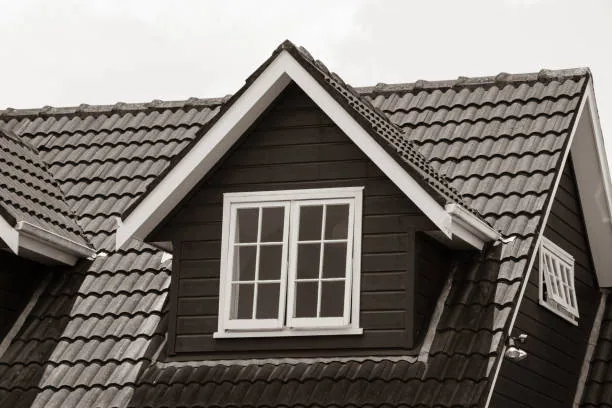
Flashings are also a key part of any new roof or extension. Where a new roof ties into an existing wall or roof, the junction is where leaks are most likely, so it deserves the most care. On a reroofing job we renew every flashing to match the new sheets rather than reusing tired ones. If the source of a leak is not obvious, roof leak detection comes first, so we fix the right junction.
Flashings are small components with a huge job, and when they fail the resulting leaks can be hard to trace. Our specialists fabricate and fit flashings to the exact shape of your roof, so valleys, walls, penetrations and edges all shed water the way they should. We use durable materials suited to Wellington's salt air and wind, and we fix them securely so they do not lift in storms. Existing flashings are assessed honestly, repaired where possible and replaced only where necessary. Every installation is sealed and checked carefully before we leave, giving you confidence that the most vulnerable parts of your roof are properly protected. Call us today and get straight answers about your project.
Flashings connect to almost every other part of the roof. These are the services that most often overlap with flashing work.
Call our team if you need advice for your property or roofing project.
04 888 0115Look for stains on ceilings or walls near where the roof meets a wall, around a chimney, flue or skylight, or below a valley. Outside, check for lifted edges, rust along folds, gaps at the top of apron flashings and old sealant that has cracked. A leak that only appears in wind-driven rain points strongly to a flashing.
Sealant can buy time on a small gap, but it is not a long-term repair on its own. Sealants break down in UV light and lose grip as the roof moves. A flashing that leaks because it is too narrow, has no turn-up, or laps the wrong way needs to be remade so its shape keeps the water out.
We can usually match common Colorsteel colours so new flashings blend with the existing roof. On an older painted roof, a new flashing may look fresher than the surrounding sheets until the roof is next painted. If an exact match is not possible, we will talk through the options before we fold anything.
Chimneys are one of the hardest junctions to flash, because brick moves differently from the roof and water arrives from the slope above. Many older chimneys have no proper back tray on the uphill side. Our chimney flashing and repairs page explains the options, including removing a redundant chimney altogether.
Yes. Commercial and industrial roofs use the same flashing types at a larger scale, plus parapet cappings, box gutter junctions and penetrations for plant and ducting. We fold flashings to suit the profile and fall of the roof and fix them to suit the site's wind exposure, which on many Wellington commercial sites is severe.
Experience a top-notch roofing services wherever you are in Wellington. Get in touch with our team and will come back with you a free, no-obligation estimate for any roofing service.