Can I use copper spouting with a Colorsteel roof? +
Water running from coated steel into copper spouting is generally less of a problem than the reverse, but the two metals must not touch, and copper downpipes must never discharge onto steel below. Fixings and brackets also need care. We check the manufacturer's compatibility guidance for the specific products before recommending a mix.
Will my copper roof go green? +
Eventually it may, but not quickly. Copper first turns brown, then dark brown, and the green verdigris develops over many years, faster in salty, exposed air and slower in sheltered spots. Some faces of a roof may change sooner than others. Pre-patinated copper is available if you want the look from the start.
Is zinc roofing suitable near the coast in Wellington? +
Generally yes, when it is detailed properly. Salt air speeds up the patina but does not stop it protecting the metal. The bigger risks are trapped moisture underneath, run-off from incompatible materials and anywhere water sits. Ventilation, drainage and compatible fixings matter more than distance from the sea.
Can zinc or copper be used on just part of a roof? +
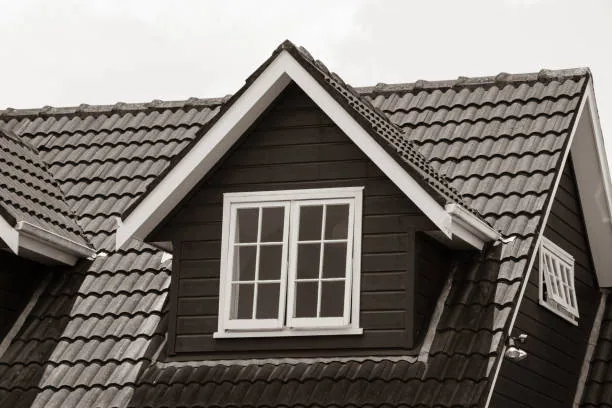
Yes, and it often is: a copper bay window roof, a zinc-clad dormer or a feature turret on an otherwise steel or tile roof. The key is drainage. Water from copper must not flow onto the main roof or spouting if they are steel or aluminium, so we plan where every drop goes before work starts.
How do I maintain a zinc or copper roof? +
Very little is needed. Keep seams, valleys and spouting clear of leaves so water drains freely, and leave the patina alone, because cleaning or polishing removes the protective layer. Check penetrations and flashings periodically, and make sure later additions, such as aerials or solar brackets, use compatible metals.