
Ventilation and Light
Opening skylights let you release warm, humid air while flooding rooms with daylight, which is ideal for kitchens, bathrooms, loft conversions and upstairs living spaces, by an experienced local team.

An opening skylight is a venting roof window with a hinged sash that you can open and close. It brings in daylight like any skylight, but it also gives warm, moist air a way out at the highest point of the room. That makes opening skylights in Wellington a strong choice for kitchens, bathrooms, laundries and upstairs rooms that get stuffy in summer.
Because it opens, the details matter more in Wellington than almost anywhere. The sash has to cope with gusts, the seals must close tightly every time, and you need a plan for the day a squall arrives while you are out. We help you choose the right operation for each room and install the unit so it seals reliably when shut. Our skylight overview covers how opening units compare with fixed and tubular options.
Opening skylights let you release warm, humid air while flooding rooms with daylight, which is ideal for kitchens, bathrooms, loft conversions and upstairs living spaces, by an experienced local team.
Choose manual openers or electric and solar-powered operation with remote controls and rain sensors, so skylights can close automatically when Wellington's unpredictable weather rolls in, for Wellington homeowners and businesses.
Good airflow reduces condensation and damp. An opening skylight helps keep rooms fresher and healthier, particularly in bathrooms and other rooms where moisture builds up quickly, using quality proven materials.
How you open the skylight depends on its height, how often you will use it and whether you want it to look after itself.
Units within reach can have a handle or winder. Higher units are opened with a hooked pole that engages the winder. Simple, reliable and no wiring, but you have to remember to close it.
A motor opens and closes the sash from a wall switch or remote. It suits high ceilings and stairwells. Power is run to the unit by a licensed electrician as part of how we organise the job.
Some units run the motor from a small solar panel and battery, avoiding new wiring through the ceiling. These are covered on our solar-powered skylights page.
Many electric and solar units can be fitted with a rain sensor that closes the sash automatically when it detects rain. It is a sensible extra for anyone who leaves the house with the skylight open.
Some electric units can be set to open and close on a timer, or linked to indoor temperature and humidity sensors. The skylight can then air a bathroom after showers or let heat out on a warm afternoon.
Where a room has two or more opening units, electric and solar models can often be paired to one wall switch or remote, so a row of skylights over a kitchen opens and closes together.
Warm air rises, so an opening at ceiling level releases steam, cooking heat and smells far more effectively than a low window. In a bathroom, opening the skylight after a shower clears moisture before it settles on cold surfaces and feeds mould. In a kitchen, it draws heat up and out on summer evenings, especially when a low window or door is open to let cooler air in.
An opening skylight helps with moisture, but it is not a replacement for an extractor fan in a bathroom or a rangehood in a kitchen. The best results come from using both. If moisture is a wider problem in the home or the roof space, our roof ventilation work addresses it at roof level.
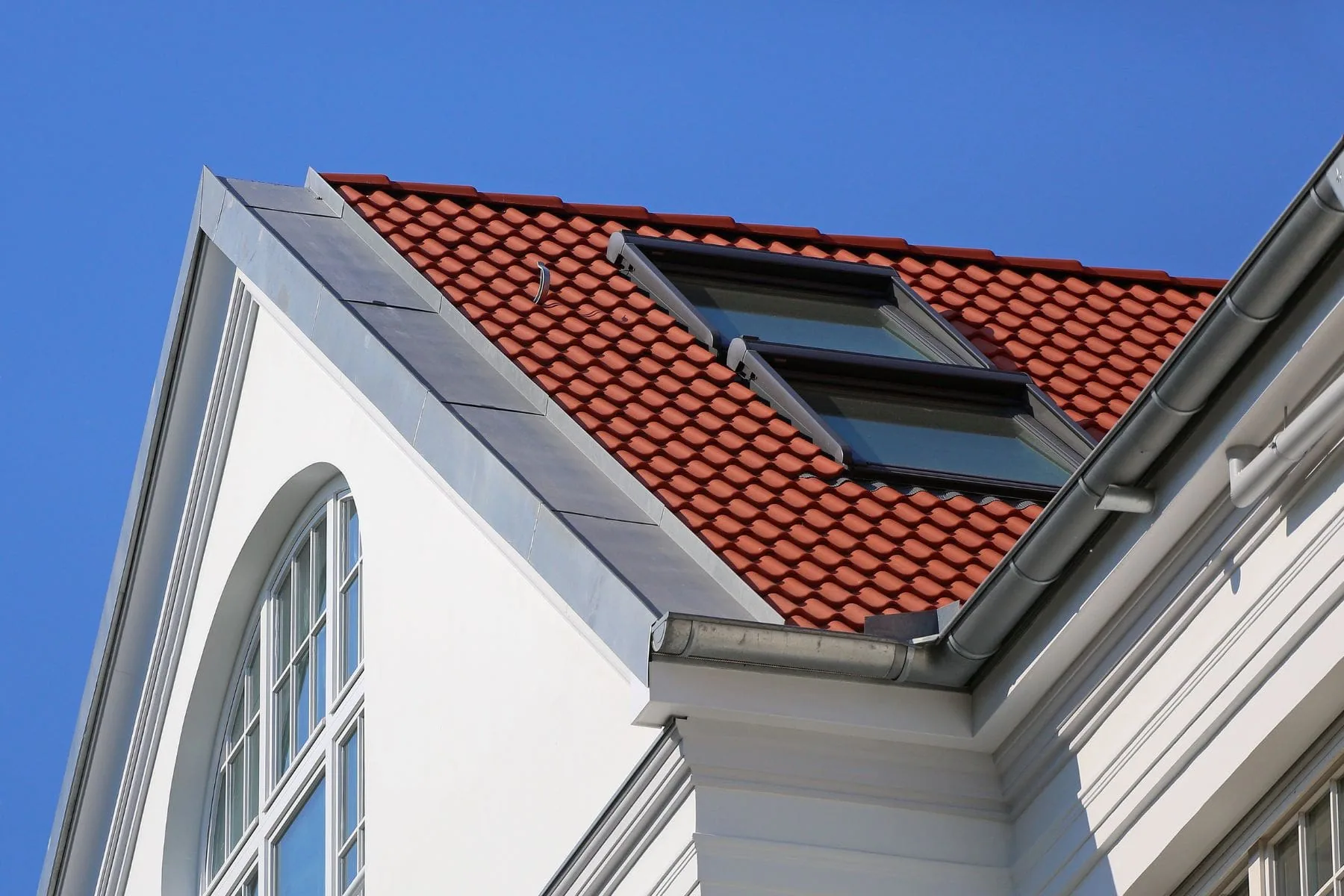
A sash that is open when a gust arrives takes a lot of load. We position and size opening units with exposure in mind, and on very exposed sites we may suggest a smaller sash or a unit with a ventilation position that lets air through while the sash is closed and latched. Hinge and motor quality matters here, so we steer away from lightweight units on windy hillside sections.
Rain sensors are worth considering anywhere a sudden shower could catch you out. Even with one fitted, it is a good habit to close the skylight when you leave the house during unsettled weather.

An opening unit needs clearance for the sash to swing, so we check that nothing on the roof, such as a vent pipe or solar panel, sits in the way. Electric units need a power supply routed to the shaft and a switch location agreed before the lining goes up. Insect screens and fitted blinds are available for many models and are easiest to plan at the start. The flashing and shaft are built the same way as for any skylight, with the shaft insulated to reduce condensation.
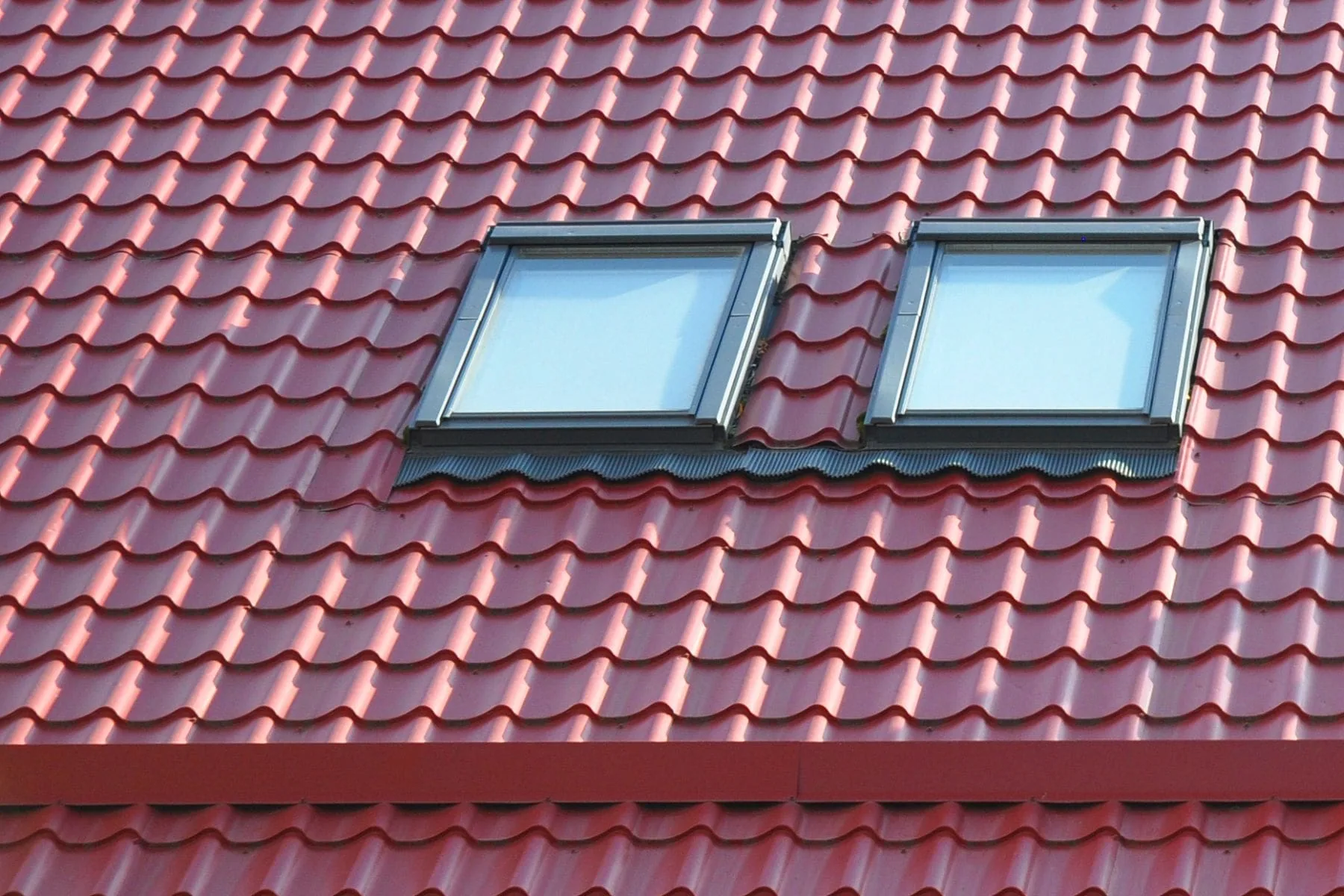
An opening skylight does two jobs, bringing in daylight and letting warm, humid air escape, which suits kitchens, bathrooms and upstairs rooms particularly well. Our installers help you choose between manual operation and electric or solar-powered units with remote controls and rain sensors. Rain sensors are especially useful in Wellington, where sudden showers can arrive without warning and soak a room in minutes. We install the unit square, flash it correctly and test operation before we leave, then show you how everything works. Better airflow reduces condensation and mould, helping your home feel fresher and healthier all year. Get in touch with our local team today and see why Wellington property owners keep choosing us.
These pages cover the alternatives and extras most people consider alongside an opening skylight, including fixed units, solar operation, blinds and wider roof ventilation.
Call our team if you need advice for your property or roofing project.
04 888 0115A manual unit left open will let some rain in, and a lot in a wind-driven downpour. An electric or solar unit with a rain sensor closes itself when it detects rain, which reduces the risk considerably. Some units also have a latched ventilation position that allows airflow with the sash essentially closed.
It should not be treated as a replacement. An extractor fan works whenever the room is in use, whatever the weather, whereas a skylight is often kept closed in winter, exactly when moisture is worst. An opening skylight is a very useful addition that speeds up drying, but a properly ducted extractor fan is still the main moisture control.
Units within arm's reach can use a handle. Up to a few metres, a pole-operated winder works well. Above that, or over a stairwell, electric or solar operation is far more practical, because a skylight that is awkward to open tends never to be opened at all.
Very little, but they do benefit from attention. Keep the seal line and hinges free of leaves and grit, check that the sash closes fully and evenly, and clean the rain sensor if one is fitted, because a dirty sensor can respond slowly. Any motor faults are usually covered by the manufacturer, whose warranty terms vary by product.
The opening on most residential units is limited, and the sash sits high on the roof, so they are not an easy entry point. Many units can be locked in the ventilation position. As with any window, close it when the house is empty for long periods.
Experience a top-notch roofing services wherever you are in Wellington. Get in touch with our team and will come back with you a free, no-obligation estimate for any roofing service.