
Safe Skylight Removal
If your skylight leaks persistently or you no longer want it, we remove the unit safely, protecting your interior while we prepare the roof opening for permanent closure, on schedule.
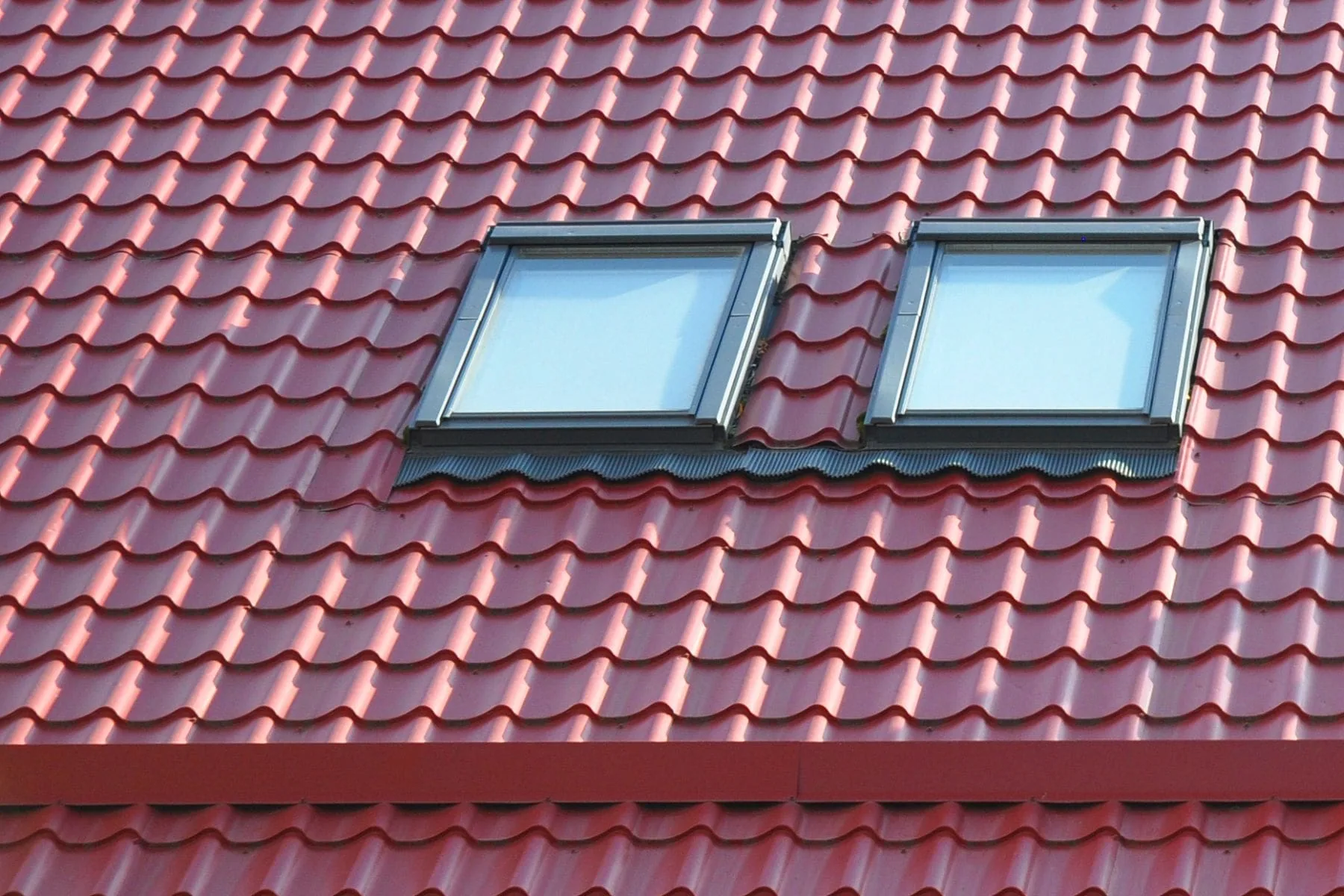
Not every skylight is worth keeping. Some leak no matter how many times they are resealed, some overheat a room every summer, and some simply no longer suit a renovation. Done properly, skylight removal and roof sealing in Wellington means more than taking the unit out and screwing a sheet over the hole. The roof needs to be continuous and weathertight again, and the ceiling should look as though the skylight was never there.
We remove skylights from metal, tile and membrane roofs across Wellington, Lower Hutt, Upper Hutt and Porirua. Often it happens alongside other work, such as a reroof, a kitchen renovation or replacing several old domes with one well-placed new skylight. Whatever the reason, we plan the roof and ceiling work together so there are no loose ends left for another trade to pick up.
If your skylight leaks persistently or you no longer want it, we remove the unit safely, protecting your interior while we prepare the roof opening for permanent closure, on schedule.
We frame, sheet and flash the opening to match your existing roofing, creating a strong, watertight surface that blends in neatly with the surrounding material and profile, from a local team.
Once the roof is sealed, we can arrange patching and finishing of the ceiling and light shaft, leaving a clean, seamless interior that is ready for painting and everyday use.
If you are unsure whether to repair, replace or remove, these are the situations where taking the skylight out usually makes the most sense.
An old skylight that has been resealed repeatedly and still leaks in wind-driven rain often has a failed upstand, rotten framing or a poor original detail. Removing it takes the weak point out of the roof entirely.
A large single-glazed skylight on a north or west roof can make a room uncomfortable year round. If blinds and screens have not solved it, closing the opening may be the most effective answer.
A skylight over a bathroom or kitchen that drips every winter, even after ventilation upgrades, keeps linings damp and mouldy. Where the daylight is not essential, removing it can be simpler than chasing the problem.
A new floor plan may leave a skylight over the wrong spot. A reroof is the ideal time to remove unwanted skylights, because the roof is already open and new sheets can run full length.
Yellowed plastic domes and roof windows with no replacement parts are common on Wellington homes from the 1970s and 80s. Removing them, or swapping several for one new unit, is often the tidier answer.
North-facing roof space is valuable for solar panels, and a skylight in the middle of it breaks up the layout. Removing it can free a clear run for the array, with the electrical side handled by a licensed electrician.
Once the skylight, upstand and flashings are out, we check the roof framing around the opening and add purlins or battens so the new roofing is fully supported. On a metal roof, the best result is re-sheeting the affected run with new full-length sheets in a matching profile, so there are no mid-sheet joins to leak. A lapped patch looks cheaper, but cross-laps on low pitches are exactly where water gets in.
New Colorsteel sheets will look brighter than a roof that has weathered for years, so on a visible slope we talk through replacing the whole face or repainting. On tile roofs we fit matching tiles over new battens and underlay. On membrane roofs the opening is decked over and the membrane is made good to suit the system. All of it is detailed to meet NZ Building Code clause E2.
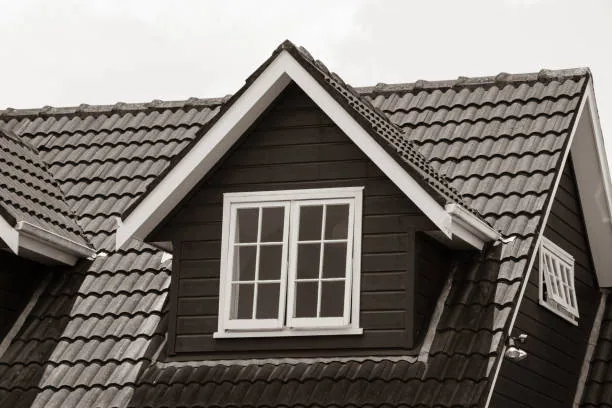
Inside, the aim is a ceiling with no trace of the old opening. That takes more care than most people expect, particularly in older homes.
We remove the shaft lining and framing, then add dwangs or trimmers between ceiling joists so the new plasterboard is supported on every edge and will not sag or crack along the join.
Old leaks often leave stained or soft timber around the opening. Once the shaft is out, we check the trimmers, joists and nearby lining, and replace damaged timber before the new ceiling goes up.
The old opening is insulated to match the surrounding ceiling, with no gaps at the edges. Skipping this leaves a cold patch that can show as a shadow on the ceiling or gather condensation.
Taking out a skylight removes daylight from the room, so many people add a light fitting in the infill. Any new wiring is done by a licensed electrician while the ceiling is open, before the board goes on.
New board is fitted flush, and the joins are taped, stopped and sanded. Matching the texture of an older ceiling is the hard part, and repainting the whole ceiling usually gives a better result than patch-painting.
Some older homes have lath-and-plaster, tongue-and-groove or textured ceilings. Where a ceiling may contain asbestos it is tested first, and where removal is required it is carried out by a WorkSafe-licensed asbestos removalist before we continue.
If a skylight leaks repeatedly or no longer suits your home, removing it and closing the roof properly can be the best long-term answer. Our contractors take out the unit carefully, protect your interior and frame the opening so it can carry roof loads again. The area is then sheeted, flashed and finished to match your existing roofing, giving a watertight surface that blends in neatly. We can arrange ceiling and light shaft repairs once the roof is sealed, leaving a clean interior ready for painting. Honest advice is part of the service, so if repairing or replacing would suit you better, we will say so. Get in touch today.
If you are weighing removal against a repair or a new unit, our main skylight page sets out the options. These related services are often part of the same job.
Call our team if you need advice for your property or roofing project.
04 888 0115On a metal roof it is sometimes possible to fit a patch sheet, but it adds laps and fixings that are more likely to leak, especially on low pitches. Replacing the affected sheets full length, from ridge to spouting, gives a far more reliable seal. We explain both options and the trade-offs in your written quote so you can decide.
The profile can almost always be matched. Colour is harder, because existing Colorsteel or painted roofing fades and weathers over time, so new sheets look brighter at first. On a slope that cannot be seen from the street this may not matter. On a visible face, replacing the full face or repainting the roof gives an even look.
Removing a skylight and closing the roof with like-for-like roofing is often minor work, but it depends on what is involved, particularly if framing is altered. If there is any question, we'll confirm with council before starting. Where the removal is part of a larger renovation that already has consent, it is usually covered within that.
We aim to close in the roof on the day the skylight comes out, so the house is weathertight from the start. The ceiling takes longer, because plasterboard stopping needs drying time between coats before sanding and painting. Access affects the programme too: a steep or high roof on a hillside section may need scaffolding or edge protection first.
If the skylight is otherwise sound and the leak comes from a seal or flashing, resealing or new flashings is usually the economical choice. If it has been resealed before and still leaks, the glazing is failing, or you simply do not want it, removal makes more sense. Our skylight leak repair page covers the repair route.
Experience a top-notch roofing services wherever you are in Wellington. Get in touch with our team and will come back with you a free, no-obligation estimate for any roofing service.