
Rapid Response
When southerly gales lift iron or fallen branches puncture your roof, we respond quickly to make the property safe, stop water entering and limit further interior damage, from day one.
Storms find the weak points in a roof, which is why emergency storm damage roof repairs in Wellington so often start at a sheet edge or ridge flashing. A gust gets under it and works the fixings loose, and once one sheet lifts, the wind has something to pull on. A small problem can become a section of roof flapping or gone, with rain driving into the ceiling. If that is happening at your place, call us as soon as it's safe to do so.
We prioritise urgent leaks and storm damage. Our first job is to make the roof safe and stop more water getting in. That might mean re-fixing lifted sheets, securing loose flashings, or covering an opening until a permanent repair can be made. We also record the damage properly, because your insurer will want to see it.
When southerly gales lift iron or fallen branches puncture your roof, we respond quickly to make the property safe, stop water entering and limit further interior damage, from day one.
We secure damaged areas with tarpaulins, temporary flashings and fixings so your home stays dry until permanent repairs can be arranged, scheduled and completed to a proper standard, on schedule.
We document storm damage with photos and clear written reports, helping you lodge insurance claims smoothly and getting permanent repairs approved and completed without unnecessary delays or paperwork headaches.
Your safety comes first. A roof in a storm is no place for anyone, including roofers, so the first steps all happen from the ground and inside the house.
Never climb up in wind or rain. Wet metal is slippery, gusts can knock a ladder sideways, and a lifted sheet can swing with enough force to cause serious injury.
If a branch has brought down power lines, or a lifted sheet is touching them, stay well away and call 111 or your electricity lines company. Treat every fallen line as live until it has been made safe.
If water is coming through near light fittings or switches, turn the power off at the switchboard if you can reach it safely. Move valuables and electronics away from drips and put buckets under leaks.
A ceiling holding water can come down suddenly. Keep people and pets out of the room, put something underneath to catch water, and do not stand directly below the bulge.
Before anything is moved, take wide shots and close-ups of the damage inside and out, including the roof from the ground or a window, wet ceilings and damaged belongings. Dated photos help your insurer understand what happened.
Most policies ask you to notify them promptly and take reasonable steps to prevent further damage. Let them know what has happened, and keep receipts for emergency work and anything you buy to protect the house.
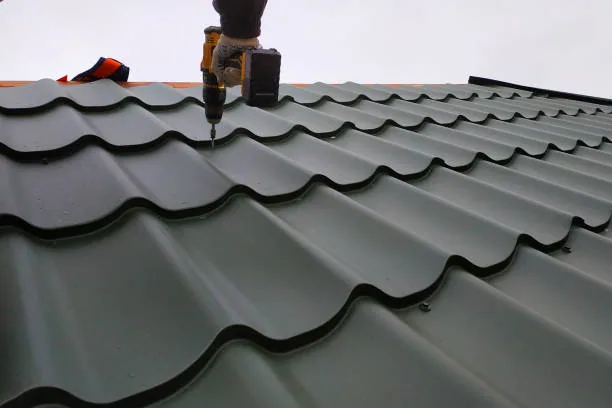
Once conditions allow us to work safely, we assess the roof and do what is needed to stop further damage. Lifted metal sheets are re-fixed with new screws, or removed if they are too damaged to hold. Loose ridge, barge and apron flashings are secured. Where there is an open hole or missing sheets, we fit a temporary cover.
Tarping a roof in Wellington is not as simple as throwing a sheet over it. A tarp that is not properly secured will flog in the wind, tear, and can pull more of the roof loose. We fix covers with battens so they lie tight to the roof and shed water. A temporary cover is just that: it buys time until the permanent fix.
Once the weather settles, we quote the permanent work. That may be a straightforward roof repair or, where the storm has exposed widespread corrosion or failed fixings, a section of re-sheeting.
Insurers generally distinguish between sudden storm damage and gradual deterioration such as rust or worn fixings. Your insurer makes that decision, not us, but clear evidence helps them make it fairly. We photograph the damage before and during the make-safe, note what we found and what we did, and can provide a written report and a quote for the permanent repair. Our roof inspections and reports page explains what a written report covers.
Wind lifts sheets at the edges and around the ridge first, especially on exposed hillside and coastal homes. Once fixings pull through or tear the steel, the sheet usually needs replacing rather than re-fixing.
Ridge capping, barge flashings and apron flashings have long edges for the wind to catch. Popped rivets and loose screws let them lift, which opens a direct path for rain.
Storm debris blocks spouting and downpipes, and overflowing water can run back into the eaves. Branches and gusts can also pull spouting brackets away from the fascia.
On tiled roofs, flying debris cracks tiles and strong wind can shift tiles and ridge caps, particularly where the bedding or pointing was already weak.
Falling branches and flying debris dent and puncture sheets, crush ridging and bend spouting. We record what hit the roof and where, which helps your insurer separate it from gradual wear.
Rain that gets in during a storm soaks insulation and stains plasterboard. We note where it came in and how far it spread, because interior damage is often part of the same claim.
When a southerly gale lifts roofing iron or a fallen branch punctures your roof, you need someone who answers the phone and arrives quickly. Our team responds fast, makes the property safe, and stops water entering before it ruins ceilings, insulation and belongings. We fit temporary weatherproofing where needed, then arrange permanent repairs once conditions allow. Because we know Wellington's weather patterns, we understand how storm damage develops and where hidden problems tend to lurk. We also photograph and document the damage clearly, which makes insurance claims far simpler. Stressful moments deserve calm, capable help, and that is exactly what you get from us. Ask us anything before you commit.
After a storm, these services cover the permanent repairs, follow-up checks and spouting work that usually come after the make-safe is done.
Call our team if you need advice for your property or roofing project.
04 888 0115We prioritise urgent leaks and storm damage, but we only go on a roof when it is safe to do so. In high winds, working at height puts people at serious risk, and a rushed fix in a gale often fails. Call us as soon as it's safe, tell us what you can see, and we will talk you through what you can do inside while you wait.
That depends on your policy and on the insurer's assessment. Many policies cover sudden damage from a storm but exclude wear and tear, rust or lack of maintenance. We cannot tell you what your insurer will accept, but we can give you clear photos, a written description of the damage and a quote, which is what assessors usually ask for.
We advise against it. Climbing on a wet, windy roof is one of the most dangerous things a homeowner can do, and a loose tarp can cause more damage than it prevents. Focus on protecting the inside of the house and recording the damage, and leave the roof to people with the right access equipment and fall protection.
A temporary cover is meant to bridge the gap until the permanent repair is done, not to last through a season. Tarps break down in sunlight and wind, and the fixings holding them can let in water of their own. We aim to move to a permanent fix as soon as materials are available and the weather allows.
Most wind damage starts where fixings are corroded, too few, or too short for the exposure. Having the roof checked before winter, replacing tired fixings and securing loose flashings costs far less than repairing a lifted roof. A roof maintenance plan builds that check into the calendar.
Experience a top-notch roofing services wherever you are in Wellington. Get in touch with our team and will come back with you a free, no-obligation estimate for any roofing service.