
Sheet Replacement Only
When the framing is sound but the iron is corroded or damaged, re-sheeting replaces just the roofing sheets, saving money compared with a full roof replacement while restoring weather protection.
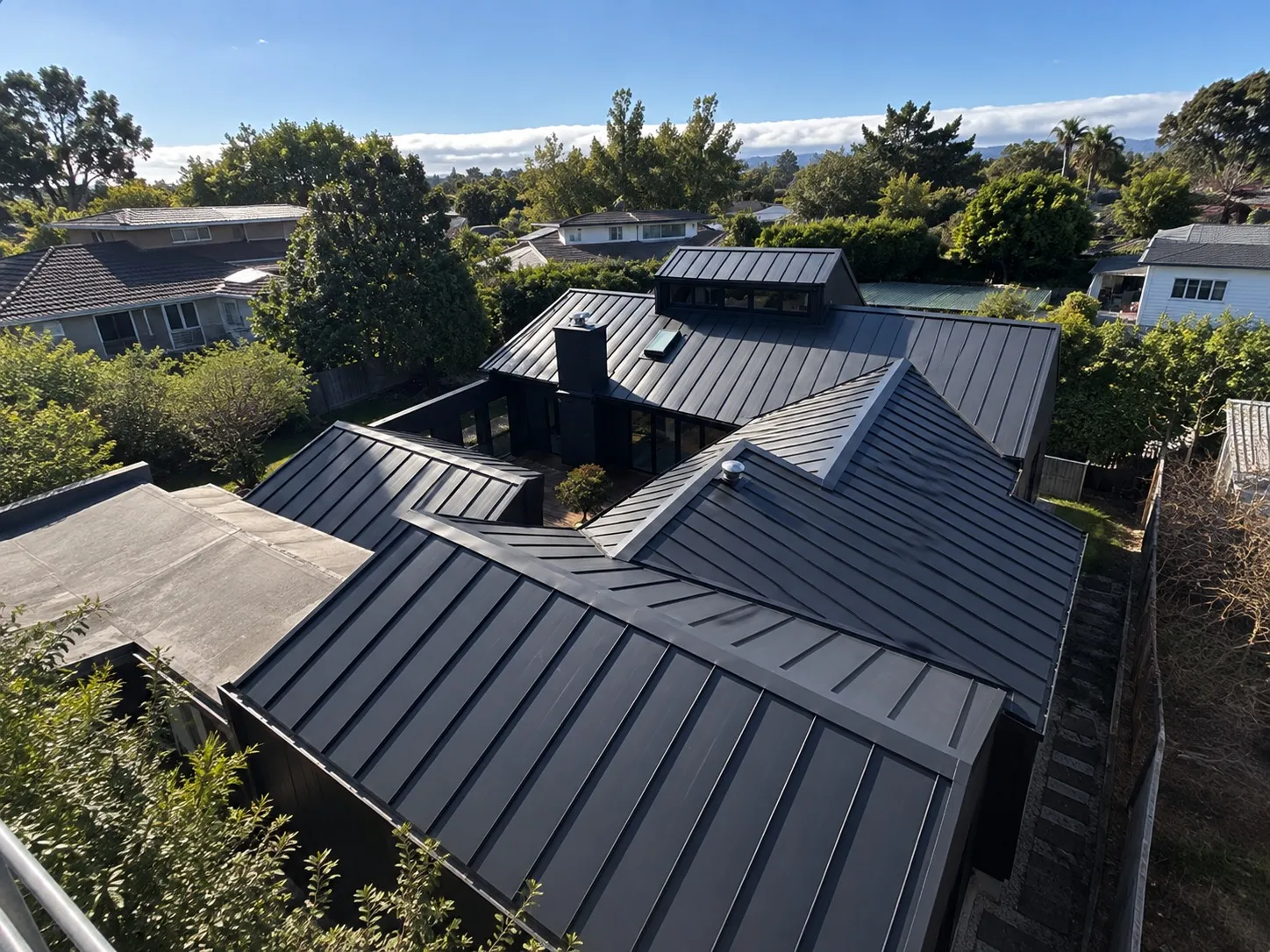
Re-sheeting means lifting the old metal roof sheets off and fixing new ones onto the existing purlins and rafters, while the roof frame stays where it is. If your iron is rusting through at the laps, the nails have worked loose, or the paint has worn back to pitted steel, but the timber underneath is sound, re-sheeting in Wellington is usually the most direct way to get the house watertight again.
Metal roofs in Wellington take a hammering. Gusts lift poorly fixed sheets, horizontal rain gets driven up under laps, and salt spray along the south coast, Eastbourne and Plimmerton eats into coatings faster than it does inland. Many older villas and 1960s–80s homes are still on their original iron, held down by lead-head nails that loosened long ago. Re-sheeting replaces the sheets, fixings and underlay together, so the whole roof skin starts again from the same point.
When the framing is sound but the iron is corroded or damaged, re-sheeting replaces just the roofing sheets, saving money compared with a full roof replacement while restoring weather protection.
We replace worn fixings and add or upgrade underlay during re-sheeting, improving wind resistance, reducing condensation and giving your Wellington roof a stronger, longer-lasting foundation, for Wellington homeowners and businesses.
Choose from corrugated, trapezoidal and other profiles in a wide range of Colorsteel colours, refreshing your home's appearance while delivering reliable performance for decades to come, using quality proven materials.
Re-sheeting sits between a patch repair and a full rebuild. If only a few sheets are damaged, targeted roof repairs are usually enough. If the framing is rotten, sagging or undersized, or you want to change to a different roofing material, you are looking at reroofing with structural work. Re-sheeting covers the large middle ground: the steel has reached the end of its useful life, but the structure underneath can carry on.
Corrosion usually starts where water sits: at side laps, end laps and around nail holes. Once rust has gone right through in several places, spot treatment and paint will not hold for long.
Old lead-head and spring-head nails back out as timber shrinks and the roof flexes in the wind. Each loose nail is a small leak path and a weak point when a storm comes through.
When a painted roof has flaked back to bare or pitted metal over large areas, repainting often just delays the inevitable. Paint protects sound steel; it cannot rebuild steel that has already rusted thin.
If you fix one leak and another appears a metre away, the sheets and fixings are failing as a system. Replacing them together stops the cycle of callouts and ceiling stains.
If sheets rattle or bang in a northerly, or edges lift at the eaves and barge, the fixings have lost their grip. A sheet that is already moving is one bad gust from tearing loose.
Roofs that have had sheets swapped one at a time often end up with mixed profiles, colours and lap directions. Every mismatched join is a weak point, and a full re-sheet brings the roof back to one system.
Most houses here use one of a few metal profiles, and the right one depends on the look of the house, the roof pitch and the length of the runs. We can match the existing profile, or change it where the pitch allows. Material matters too. Colorsteel and ZINCALUME are both common, and manufacturers set out which products suit which exposure zones, so a house a few hundred metres from the sea may need a different specification from one in the Hutt Valley.
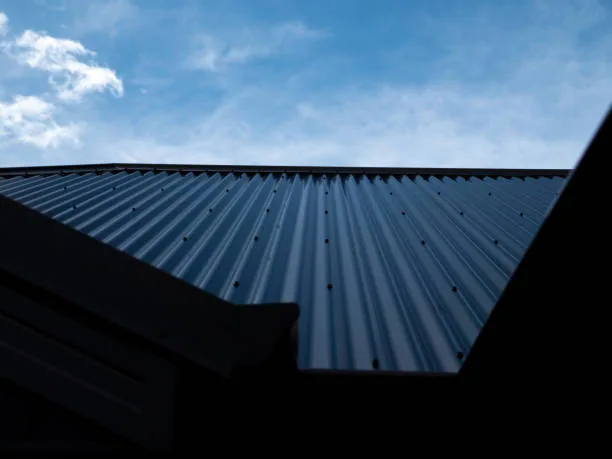
The classic rounded profile on villas and bungalows. It suits character homes and moderate pitches, and it can be rolled to length so there are fewer end laps down the slope.
Taller, squarer ribs carry water better at lower pitches and span further between purlins. Common on 1970s–80s homes, later extensions and many commercial buildings.
Rolled to the full length of the roof run, so there are few or no end laps. Fewer laps means fewer places for wind-driven rain to work its way in, which matters on exposed hillside sites.
Sheets are only one layer. When the old roof comes off, we replace the fixings and underlay at the same time and check every purlin before the new roof goes on. Dealing with a split purlin or a gap in the underlay now costs far less than lifting a brand-new roof later to reach a problem that was hidden underneath.
New fixings are screws with sealing washers, placed to the pattern the manufacturer and the NZ Metal Roof and Wall Cladding Code of Practice set for your wind zone. High-wind sites need more fixings, especially near edges and the ridge. New underlay goes down over the purlins to catch condensation and stray water; our roof underlay and sarking page explains how we choose it. Ridge capping, barge flashings and apron flashings are usually renewed so they match the new sheets.
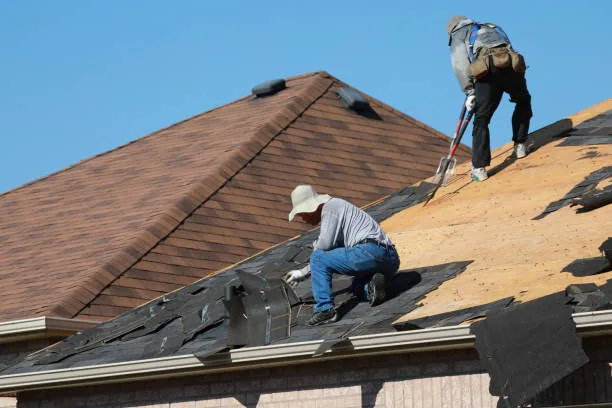
We work one section at a time so the house is never left wide open. Old sheets come off one slope, purlins are checked and any soft or split ones replaced, underlay goes down, and the new sheets are fixed before we move on. If the weather turns, which in Wellington it often does, the open area is small enough to cover quickly. Old sheets go to metal recycling where possible.
Like-for-like re-sheeting is often exempt from building consent. If the job changes the material, the weight or any part of the structure, consent may be needed, and we'll confirm with council before work starts. You'll get a written quote that sets out exactly what is included.
Re-sheeting is often the smartest middle path when your framing is sound but the roofing iron has reached the end of its life. Our contractors inspect the structure carefully to confirm it is suitable, then strip the old sheets and replace them with new profiles that suit your home. We upgrade worn fixings and underlay as part of the job, which improves wind resistance and reduces condensation in Wellington's gusty, damp conditions. You can choose from a wide range of Colorsteel colours and profiles, and we will help you pick one that looks right. The work is neat, efficient and backed by straightforward quotes. Talk to our friendly team about your project.
Re-sheeting often goes hand in hand with work on the edges, junctions and layers of the roof. These pages cover the jobs most likely to come up alongside it.
Call our team if you need advice for your property or roofing project.
04 888 0115Re-sheeting replaces the metal sheets, fixings and underlay on the existing frame. Reroofing is the broader term and can include changing material, replacing framing or rebuilding parts of the roof structure. If your purlins and rafters are sound and you are staying with metal, re-sheeting is usually the simpler and quicker job.
We don't recommend it. Laying new sheets over old ones traps moisture, hides corroded fixings and rotten purlins, and adds weight. It also makes it hard to fix the new sheets properly into the framing. Stripping the old roof lets us check the structure and install new underlay, which a roof-over cannot do.
Replacing metal with comparable metal on the same frame is often exempt from consent, but it depends on the details. Changing to a heavier or different material, altering the structure or changing the roof shape may need consent. We'll confirm with council for your property before the job is booked.
It depends on the size of the roof, the pitch, access and the weather. A single-storey house with easy access goes faster than a steep two-storey roof on a hillside section with no driveway. We'll give you a realistic timeframe in your written quote and keep you updated if wind or rain forces a pause.
Not usually. Rain noise on metal mostly depends on what sits underneath: underlay, insulation and the ceiling lining all dampen it. Replacing the underlay and, if needed, topping up insulation while the roof is open can make the new roof quieter than the old one.
Experience a top-notch roofing services wherever you are in Wellington. Get in touch with our team and will come back with you a free, no-obligation estimate for any roofing service.