
Controlling Heat and Glare
Skylight blinds reduce summer heat gain and glare, helping rooms stay comfortable and protecting furniture, flooring and artwork from fading caused by strong ultraviolet light, by an experienced local team.

A skylight lets in far more light than a wall window of the same size, which is the whole point, until it is lighting a bedroom at half past five on a summer morning or baking a north-facing lounge in February. Skylight blinds and shades in Wellington give you that control back. The right one depends on whether your problem is light, heat, glare, privacy, or a mix of all four.
We fit internal blinds and external screens to new and existing skylights across Wellington, from bedroom roof windows in Karori to sunrooms in Lower Hutt. Some skylights accept the maker's own blinds, which clip into factory brackets. Others, including older and non-standard units, need a different approach. We work out what your frame and shaft will take before recommending anything.
Skylight blinds reduce summer heat gain and glare, helping rooms stay comfortable and protecting furniture, flooring and artwork from fading caused by strong ultraviolet light, by an experienced local team.
Choose blockout blinds for bedrooms or light-filtering fabrics for living areas. Styles are available to suit different skylight sizes, angles and ceiling heights, using quality materials, proven methods and careful planning.
Operate blinds by pole, remote control or solar-powered motor, giving easy control over daylight and privacy even when the skylight is mounted high in the ceiling, using quality proven materials.
Each option handles a different job. Many homes end up combining two, such as an internal blackout blind for sleeping with an external screen for summer heat.
A dense fabric that runs in side channels so light cannot bleed around the edges. The obvious choice for bedrooms, nurseries and media rooms, and for shift workers who need to sleep through the day.
Pleated, honeycomb and translucent roller fabrics soften and spread daylight while cutting glare. Honeycomb styles also trap a layer of air, which helps a little with heat loss through the glass on cold nights.
Some makers offer a blackout layer and a pleated light-filtering layer in a single blind, so one fitting gives either soft daylight or full darkness. Handy in rooms that work as both a bedroom and a study.
A mesh screen on the outside of the glass stops much of the sun's heat before it gets in, which an internal blind cannot do. You can still see out, so it suits living areas under north or west-facing roofs.
Adjustable slats let you angle light away from screens and benches, which is useful in home offices and kitchens. Simple roller shades are a tidy, low-cost option for skylights that only need occasional shading.
On an opening skylight, an insect screen inside the frame or shaft lets you vent the room on warm nights without moths and mosquitoes. It rolls away when not needed, and on some models it can sit alongside a blind.
Heat is the issue that catches people out. An internal blind absorbs the sun's energy after it has already passed through the glass, so the room still warms, just more slowly. An external screen intercepts that energy outside. For a room that overheats every summer afternoon, external shading or replacement glass with a solar-control coating will make the bigger difference.
Blinds also change how a skylight behaves in winter. A tight blackout blind keeps warm room air away from the glass, so the gap between blind and pane gets colder and can gather moisture. Leaving the blind slightly open overnight, or improving ventilation, usually solves it. If it persists, our page on skylight condensation fixes explains the causes.
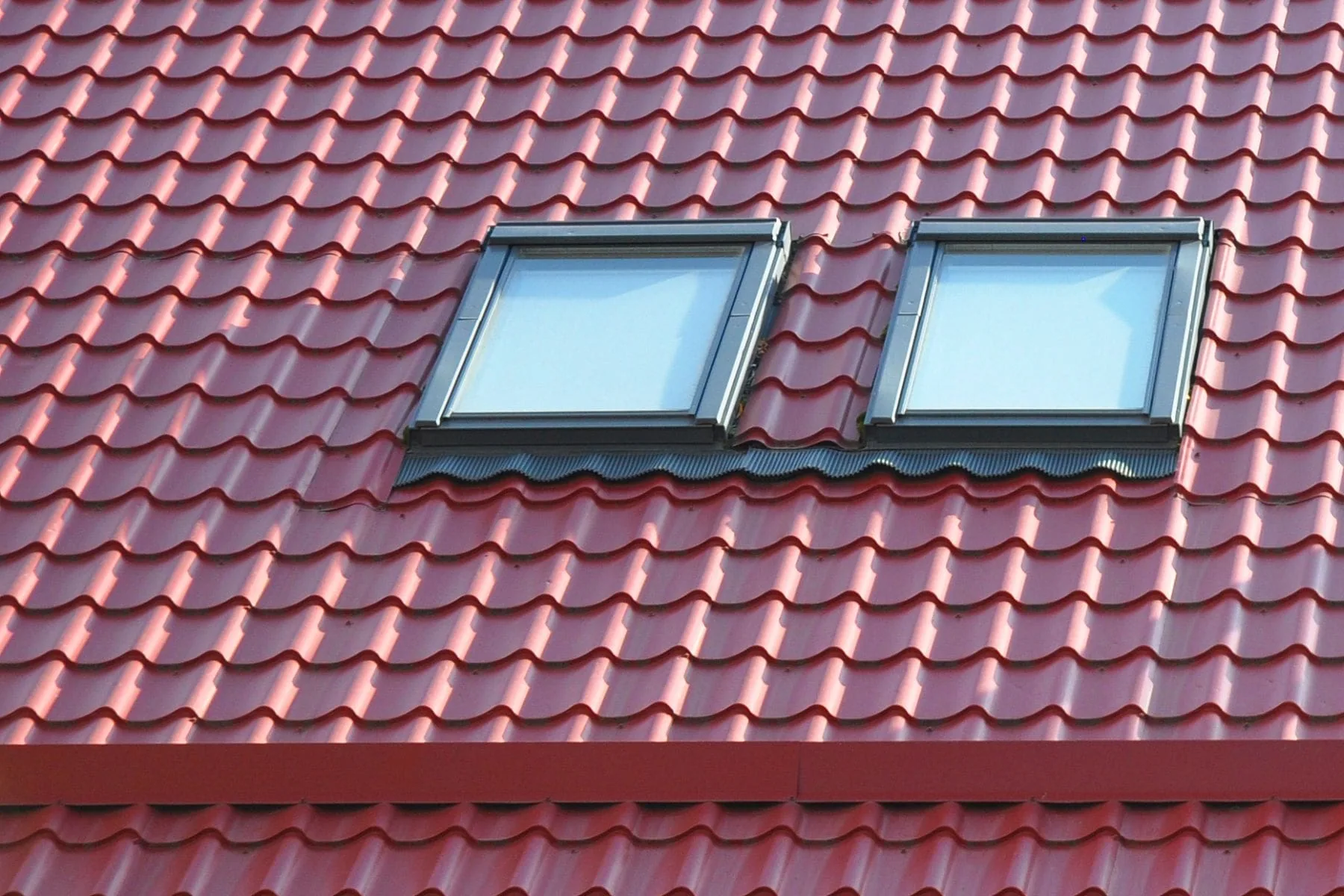
Most enquiries we get are for skylights installed years ago without blinds. What is possible depends on the frame, the shaft and how you want to operate it.
Many branded roof windows have brackets or channels ready for the maker's own blinds. We identify the model and size from the frame label and order a blind to suit, which normally fits without altering the shaft lining.
Domes and older fixed units have no blind fittings. Options include a blind on a frame at the ceiling, a tensioned fabric shade inside the shaft or, sometimes, replacing the skylight with a model designed to take blinds.
In a raked or skillion ceiling the blind sits at an angle, so it needs side channels or tension wires to hold it against the glass instead of sagging. We check the frame can anchor the blind along its edges.
Steam and condensation can mark fabrics and corrode cheap fittings in bathrooms and laundries. We suggest moisture-tolerant fabrics or aluminium slats there, and check the room is ventilated well enough to keep the shaft dry before a blind goes in.
High ceilings make pull cords impractical. Telescopic poles suit occasional use, while electric and solar blinds run from a switch or remote. Our solar-powered skylights page explains the wire-free option.
External screens must suit the exposure. On a hillside or coastal roof we check the product and the fixing method can handle the conditions before recommending one, because a screen working loose in a gale can damage the glass and flashings.
Skylights bring wonderful light, but unmanaged sunshine can overheat rooms, cause glare and fade furniture and flooring. Our installers measure your skylight accurately and recommend blinds that suit its size, angle and ceiling height. You can choose blockout fabrics for bedrooms, light-filtering options for living areas or pleated and cellular styles that improve insulation. Operation is available by pole, remote control or solar-powered motor, which is ideal when the skylight sits high overhead. We install tracks securely, test every movement and make sure the blind sits neatly within the light shaft. The result is comfortable, controlled daylight in every season. Contact our local team today and see the difference quality workmanship makes.
Blinds work best on a skylight that is sound, well sealed and properly lined. Our main skylight page covers the full service, and these pages may also be useful.
Call our team if you need advice for your property or roofing project.
04 888 0115Most skylights can be shaded somehow, but not every one takes a fitted blind. Branded roof windows usually accept the maker's own blinds. Domes, older units and custom shapes need a ceiling-mounted or shaft-mounted solution instead. Send us a photo of the frame and any label, or we can measure on site, and we will tell you what will work.
An external mesh screen or awning is the most effective, because it blocks the sun before it passes through the glass. Internal blinds help with glare and some heat, and reflective-backed fabrics do better than plain ones, but the heat is already inside. If the skylight is due for replacement, solar-control glass is worth considering at the same time.
They help a little. A honeycomb or blackout blind drawn at night adds a layer of trapped air between the room and the glass. It will not turn single glazing into double glazing, though. If a skylight feels cold and drips through a Wellington winter, upgrading the glazing or insulating the shaft will do considerably more.
Manual blinds on high ceilings are usually operated with a telescopic pole that hooks onto the handle bar. If you open and close the blind every day, an electric or solar-powered blind controlled by a remote or wall switch is much easier to live with, and it means nobody needs to climb a ladder.
They can be, provided the product suits the exposure and is fixed properly. Screens designed for skylights clip or tension tightly to the frame. On very exposed sites we may suggest removing them for winter, or choosing an internal blind combined with solar-control glass instead. We assess the site before recommending any external option.
Experience a top-notch roofing services wherever you are in Wellington. Get in touch with our team and will come back with you a free, no-obligation estimate for any roofing service.