
Full Tear-Off and Replacement
When repairs no longer make sense, we strip the old roofing, inspect the structure beneath, and install a complete new roof built to handle Wellington's wind and rain, every time.
A roof replacement in Wellington removes everything above the rafters or trusses: the old cladding, battens where needed, underlay, flashings and often the spouting. With the roof open, we can see the timber, fix what is rotten or undersized, and build the new roof on a sound frame. It is the most thorough option for a tired roof, and the one that resets every layer at once.
It suits Wellington homes where the problems go deeper than the surface: villas with original battens and no underlay, 1960s–80s houses carrying heavy concrete tiles, roofs that have leaked long enough to damage timber, and asbestos-cement roofs at the end of their life. It is also the natural point to change material, for example from tiles to lighter long-run metal.
When repairs no longer make sense, we strip the old roofing, inspect the structure beneath, and install a complete new roof built to handle Wellington's wind and rain, every time.
A replacement is the ideal time to upgrade. Choose lightweight Colorsteel, long-lasting tiles or modern membranes, and we will recommend what suits your home, budget and exposure, backed by experience.
We plan each replacement carefully, protecting your property, managing waste, and working to agreed timeframes so you are not left with an exposed home when Wellington's weather turns, with care.
These terms overlap, so here is how we use them. A roof repair fixes a defined problem, such as a leaking flashing or a few rusted sheets, and leaves the rest of the roof in place. Reroofing replaces the roof cladding on an existing house, usually like for like. A full roof replacement goes further: everything is stripped to the structure, the frame is inspected and repaired, and every layer above it is renewed, sometimes in a different material.
Some people ask about laying new sheets over the old roof. We generally advise against it. It adds weight, traps whatever moisture and corrosion is already there, and hides the condition of the framing. If the old roof has failed badly enough to need replacing, it is worth seeing what is underneath.
No single sign settles it, but when several of these show up together on the same roof, patching usually stops being good value.
Red rust that has perforated the steel, especially along laps, sheet ends and under the spouting line, cannot be painted out. Once it is widespread, patching becomes an ongoing cost rather than a fix.
A roof line that dips between rafters, or battens that crumble when a fixing is pulled, points to timber that has been wet for a long time. Finding and replacing it means opening the roof.
One leak is a repair. Leaks that keep appearing in new spots after each fix usually mean the whole system is wearing out at once: fixings, washers, laps and flashings together.
Many older homes were roofed without underlay, or with building paper that has since crumbled. Without it, condensation and wind-driven rain reach the ceiling. Replacement is the practical time to install a modern underlay.
Concrete tiles add a lot of weight to a house. Where the framing shows strain, or the owner wants a lighter roof on a seismically active site, swapping tiles for long-run metal is a common reason to replace the whole roof.
Concrete tiles that have lost their surface soak up water, grow moss quickly and crack underfoot. When breakages are spread across the whole roof rather than in a few spots, replacing tiles one at a time stops making sense.
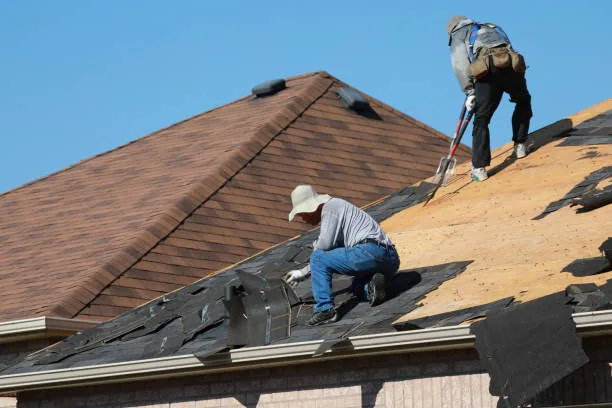
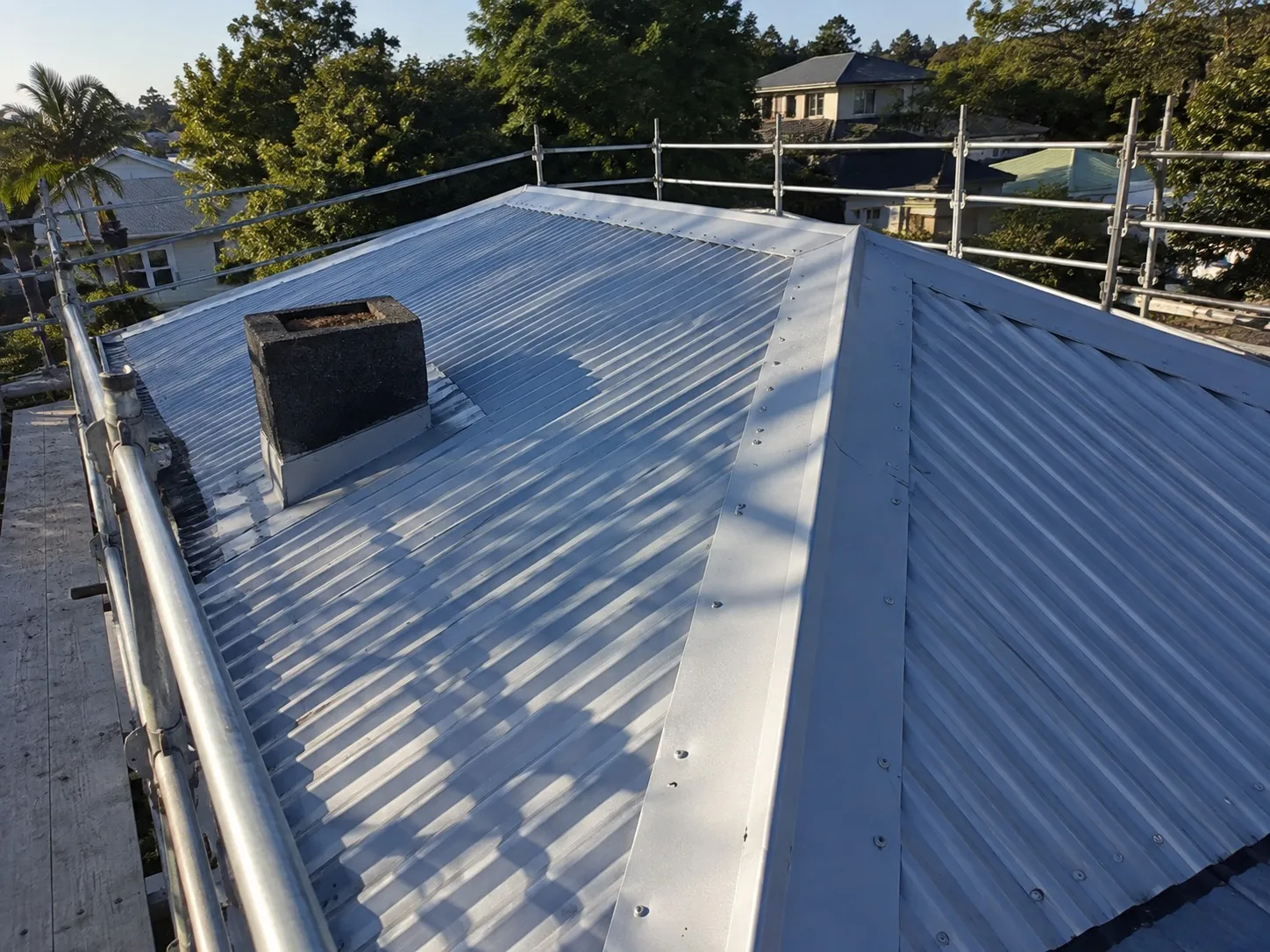
We work in sections where we can, stripping only as much as can be closed in the same day so the house is not left open to a change in the weather. Before stripping, we set up edge protection or scaffolding to suit the site, following WorkSafe guidance on working at height. Once the old roof is off, damaged rafters, purlins and battens are replaced or strengthened, new underlay goes down, and the new cladding, flashings and ridging are fixed to suit the wind zone.
If the existing roof contains asbestos, removal is carried out by a WorkSafe-licensed asbestos removalist before our crew starts, under the Health and Safety at Work (Asbestos) Regulations 2016; see asbestos roof removal. Solar panels are disconnected and reconnected by a licensed electrician. Like-for-like replacement is often exempt from building consent, but changing material, weight or structure may need consent, so we'll confirm with council before the job is booked.
Replacing a roof is a major investment, so you deserve a contractor who explains the options plainly and delivers exactly what was agreed. We inspect the structure beneath your old roofing, point out any hidden problems early, and recommend materials that make sense for your home, your budget and Wellington's demanding climate. Our crews protect your property throughout the job, manage waste carefully and work to a clear timeframe so your home is never left exposed longer than necessary. At handover, we walk you through the finished work and leave the site clean. The result is a roof you can rely on for decades. Call us for a clear, honest quote.
Not sure which level of work your roof needs? These related services and guides are a good next step before you commit to a full replacement.
Call our team if you need advice for your property or roofing project.
04 888 0115It depends on the size and shape of the roof, access, how much timber repair is needed and, in Wellington, the weather. A simple single-storey roof can take a matter of days, while large or complex roofs take longer. We give you a planned timeline with the written quote, and only strip what can be closed in the same day so a turn in the weather does not leave the house exposed.
Most people do. It is noisy, and dust and debris can fall into the ceiling space, so it helps to clear stored items out of the roof space and cover anything beneath the manhole. If asbestos is being removed, the licensed removalist will tell you whether you need to stay out of the house, or parts of it, during that stage.
Replacing a roof with a comparable material is often exempt from building consent. Changing to a material of a different weight, altering the roof structure or pitch, or adding new elements such as dormers can need consent. Because the answer depends on the details, we'll confirm with council for your particular job before work starts.
For many Wellington homes it is. Long-run metal is much lighter than concrete tile, sheds water well at the pitches most tiled roofs already have, and copes with wind when fixed correctly. The look changes, and some owners prefer tiles on character homes. Our Colorsteel vs traditional roofing guide compares the options in more detail.
It is common in older homes, so we explain up front how timber repairs will be handled and priced. We photograph what we find, explain what needs replacing, and agree any extra work with you before it is done. Rotten battens are usually straightforward to replace; damaged rafters or top plates may need a builder or engineer's input.
Experience a top-notch roofing services wherever you are in Wellington. Get in touch with our team and will come back with you a free, no-obligation estimate for any roofing service.