
Quality Roofing Underlay
Underlay provides a second line of defence against wind-driven rain and condensation. We install breathable, code-compliant products that protect your roof framing and insulation from moisture damage, backed by experience.
Most people never see what sits directly under their roofing, yet roof underlay and sarking in Wellington do a lot of quiet work. Underlay is the membrane laid over the rafters or purlins. It is the second line of defence: it catches condensation forming under metal sheets, sheds wind-driven rain that gets past the roofing, and protects the house while the roof is being laid. Sarking is the older equivalent on many character homes: timber boards laid across the rafters under the original iron or shingles.
Underlay can only be fitted when the roofing is off, so it gets chosen during reroofing or re-sheeting and then forgotten for decades. In Wellington that choice matters more than in most places. Rain driven sideways by gusts finds every gap at the laps, and cold nights produce heavy condensation under metal. A failed or missing underlay is often why an older roof drips even when the sheets look fine from outside.
Underlay provides a second line of defence against wind-driven rain and condensation. We install breathable, code-compliant products that protect your roof framing and insulation from moisture damage, backed by experience.
Sarking membranes sit beneath roofing to reflect heat, block moisture and stop dust entering the roof space, adding comfort and durability, especially in exposed Wellington locations, using quality proven materials.
The best time to upgrade underlay is when roofing is removed. We fit new products correctly with sealed laps and fixings, giving your new roof a stronger base, every time.
There are two broad families of roof underlay in New Zealand, plus specialist breathable types. Each has its place, and the right one depends on the roof pitch, the purlin spacing and what sits underneath.
Woven or spun synthetic membranes strong enough to span between purlins without sagging, so they do not need a supporting mesh. They are light, tear-resistant and cope well with wind during installation.
The traditional kraft paper underlay. It is proven and affordable, but it needs support across wider spans, usually netting or mesh, and it can tear in high winds before the roofing is on.
Some underlays let water vapour pass outward while stopping liquid water. They are useful where roof space moisture is a concern and work alongside proper ventilation, not instead of it.
Metal roofing cools quickly at night, often below the dew point of the air in the roof space. Moisture condenses on the underside of the sheets, and without underlay it drips straight onto insulation and ceilings. A good underlay catches that water and lets it run down to the eaves and out into the spouting.
The NZ Metal Roof and Wall Cladding Code of Practice treats underlay as part of the roofing system, not an optional extra. It needs to be the right type for the pitch and profile, lapped in the correct direction, properly tensioned, and run out over the fascia so water drains into the gutter rather than behind it. Most underlays also have limits on how long they can be left exposed to sunlight, so we cover them promptly.
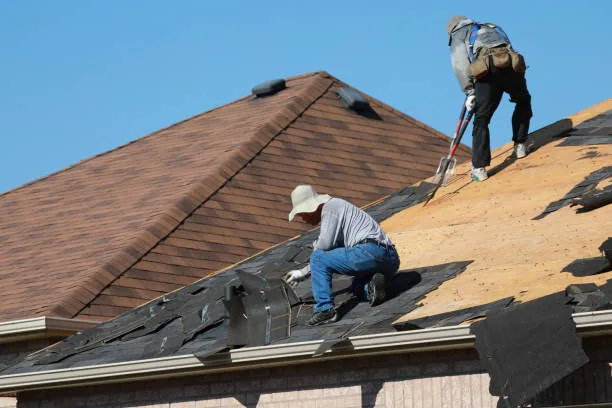
Many villas and bungalows were built with timber sarking: rough-sawn or tongue-and-groove boards across the rafters, sometimes visible from inside as the ceiling itself. Sarking stiffens the roof and was common under original corrugated iron.
When we reroof a sarked house, we inspect the boards for rot, borer and old leak damage, replace damaged sections, and usually lay a modern underlay over the top before the new roofing goes on. Sarking also affects how the roof can be insulated and ventilated, so we look at those together. Some homes keep their sarking as a feature; others are better served by removing it in favour of purlins and a new underlay.
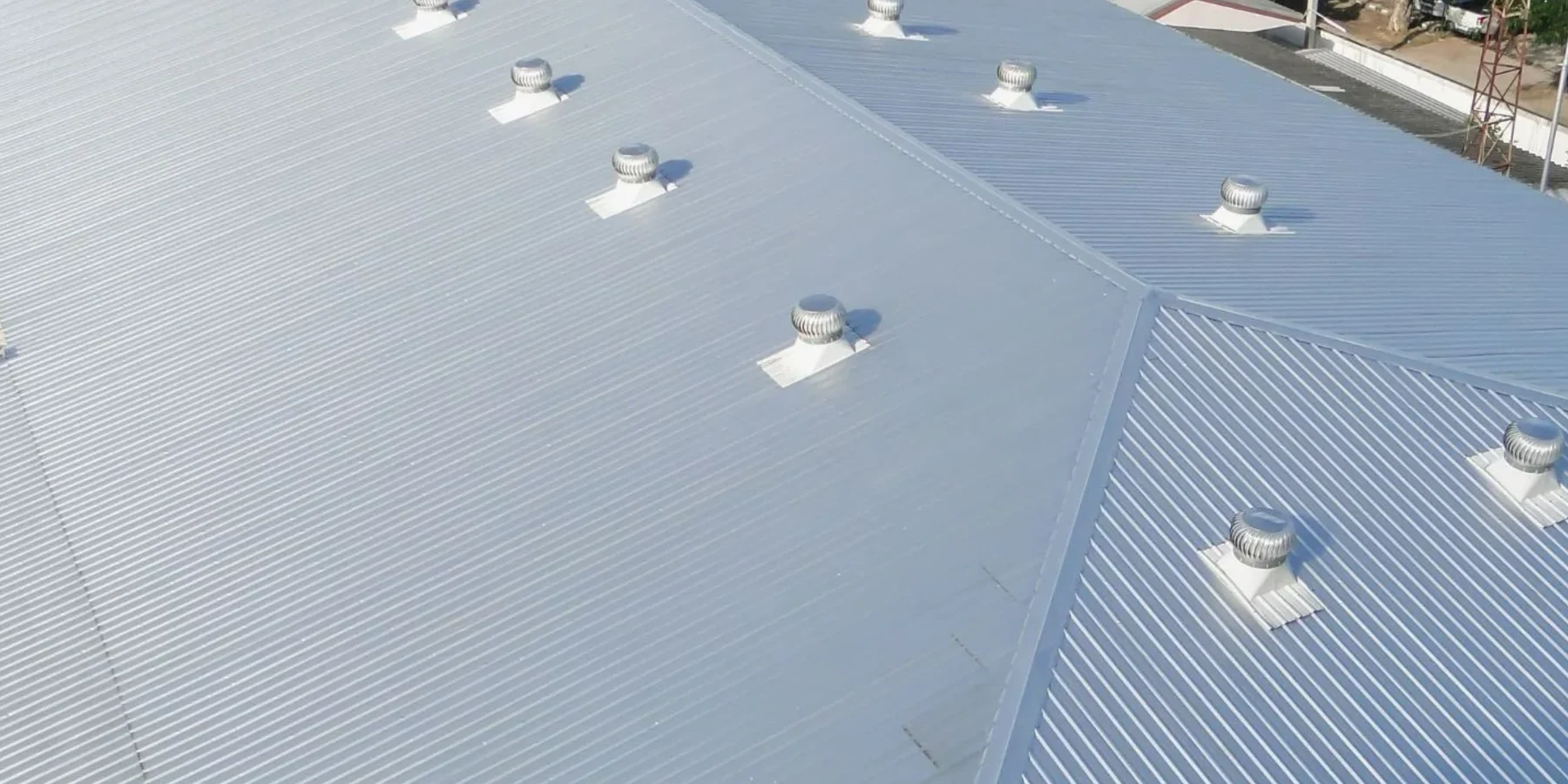
Underlay cannot be replaced without lifting the roofing, so if yours has failed, the fix is usually tied to re-sheeting or replacement. A look from the ceiling hatch often tells you a lot.
Old building paper that crumbles at a touch, or hangs in strips between the rafters, is no longer catching anything. This is often visible from the ceiling hatch with a torch.
Underlay that sags forms pockets where condensation pools, then overflows or drips at the low point instead of draining down to the eaves.
Brown tide marks running in a line across the ceiling often match where the underlay above has a gap, a reverse lap or a tear.
Some older roofs never had any, or it was removed during an earlier repair and never replaced. If you can see the back of the iron from the roof space, this applies to you.
Black spotting or mildew on the underlay shows it has stayed damp for long periods. That usually means condensation is not draining away, or water is getting past the roofing.
Insulation that is damp or stained in patches usually sits under a gap or tear in the underlay. Check from the hatch after wind-driven rain, when it is easiest to see.
Underlay is the hidden second line of defence beneath your roofing, and wind-driven rain in Wellington tests it constantly. Our installers fit breathable, code-compliant underlay and sarking with properly lapped and sealed joins, supported correctly across the framing. This protects your insulation and structure from moisture, reduces condensation and keeps dust out of the roof space. We always recommend upgrading underlay when roofing is removed, because that is the cheapest and easiest time to do it. Our team works neatly and quickly, so the roof is covered before weather can interfere. It is a modest investment that pays back through longer roof life and a drier home. Get in touch today.
Underlay is chosen as part of a wider roof job. These related services cover the work it is usually installed with.
Call our team if you need advice for your property or roofing project.
04 888 0115Not properly. Underlay runs directly under the roofing, lapped from the eaves up, so it can only be replaced when the sheets or tiles are lifted. Patching small tears from inside the roof space is sometimes possible, but it rarely solves a widespread problem. Replacement is normally done as part of re-sheeting or reroofing.
Yes. Concrete and clay tiles are not watertight on their own: wind can drive spray and fine rain between them, especially in Wellington gusts. Underlay under tiles carries that water to the gutters. On older tile roofs the original underlay is often brittle or missing, which is worth checking during any tile roofing repair or restoration.
Often, yes. Sound sarking stiffens the roof and can stay in place with new underlay laid over it. If boards are rotten, borer-damaged or badly cupped, we replace the damaged sections. Sometimes removing sarking makes the roof easier to insulate and ventilate, and we will explain the trade-offs before you decide.
For most re-sheeting jobs, a self-supporting synthetic is our usual recommendation. It spans purlins without mesh, resists tearing during installation and stays tight under the roof. Building paper can still be the right choice in some situations, such as over sarking. We will set out the options in your written quote.
Experience a top-notch roofing services wherever you are in Wellington. Get in touch with our team and will come back with you a free, no-obligation estimate for any roofing service.