
Cedar Shingles and Shakes
Timber shingles bring natural warmth and character to a home. We install quality cedar products that weather gracefully and blend beautifully with Wellington's bush and coastal settings, from a local team.
Timber shingle roofing in Wellington is uncommon, which makes the roofs that remain stand out: cedar on architect-designed 1970s houses, steep A-frames, baches and a few heritage buildings. Most are western red cedar, a naturally durable timber that weathers from honey-brown to silver grey. A timber roof breathes and moves with the seasons, so it is looked after quite differently from metal or tile.
The biggest threats to a cedar roof are trapped moisture and neglect. Shingles that never dry out grow moss, cup and rot, and shingles fixed with the wrong nails stain and come loose. We repair and replace cedar shingles and shakes, improve ventilation, treat moss and lichen, and renew flashings and spouting that have been damaged by acidic run-off from the timber.
Timber shingles bring natural warmth and character to a home. We install quality cedar products that weather gracefully and blend beautifully with Wellington's bush and coastal settings, from a local team.
Timber needs appropriate treatment to resist moss, rot and UV damage. We apply protective finishes and carry out maintenance that extends the lifespan of your shingle roof considerably, on schedule.
Split, curled or rotten shingles can be replaced individually, or the whole roof renewed. We match timber type and profile closely so repairs blend seamlessly with the original, every time.
The two terms are often used interchangeably, but they are different products with different looks and installation details, and replacements need to match what is already on the roof.
Sawn on both faces and tapered, giving a smooth, even surface and tidy lines. They are thinner than shakes and laid with less of each shingle exposed, so more courses go on the roof.
Split from the block so at least one face shows the natural grain. Thicker and more rugged, with deep shadow lines. Shakes are usually laid with an interlay or over an underlay to stop wind-driven rain getting through the rougher joints.
Some shingles are pressure-treated with preservative or fire retardant. Treatment affects which fixings and coatings are suitable, so we check exactly what is on your roof before replacing shingles or recommending a finish.
Cedar contains natural extractives that attack ordinary steel nails and leave dark stains. Shingles are fixed with stainless steel nails, two per shingle, placed so the course above covers them.
Higher grades are clear, edge-grain heartwood, which lies flatter and resists splitting. Lower grades can include flat grain, knots and sapwood that cup, split and decay sooner on a damp Wellington roof.
Shingles are laid with small gaps between them so they can swell when wet, and joints are offset from course to course. The exposure suits the shingle length and the pitch, so every point has enough cover.
A cedar roof lasts best when it can dry out from both sides. Traditionally shingles are laid on spaced battens, or over counter-battens, so air moves beneath them. Laid straight onto a solid deck with no air gap, shingles stay damp underneath, then cup and decay much faster, especially on south faces that see little sun in a Wellington winter.
When we replace a timber roof, we lay a breathable underlay, fix counter-battens and spaced battens, and check the roof space ventilation. Overhanging trees are another cause of persistent damp, and trimming them lets the roof dry after rain and cuts down leaf litter in valleys. Our roof ventilation page explains how airflow below the roof affects the whole structure.
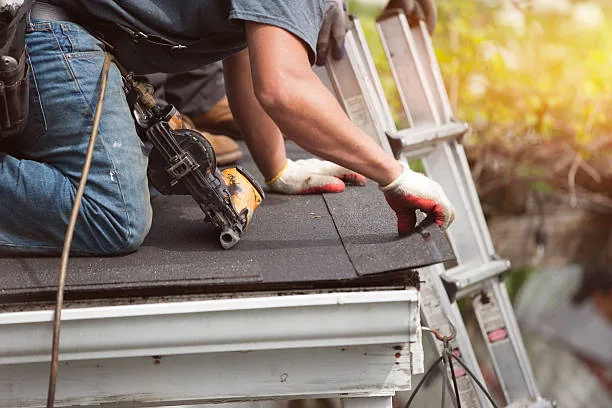
Moss holds water against the timber, lifts the butts of the shingles and blocks the gaps that let water run off. Lichen roots into the surface. We treat both with products suitable for timber and remove growth gently with soft brushes. High-pressure washing tears soft cedar fibres and shortens the roof's life, so we avoid it.
Silver-grey weathering is natural and harmless. Splitting, thinning, cupping and shingles that crumble when pressed are signs of decay. Some owners apply a timber treatment or oil after cleaning to slow weathering. Whether that suits your roof depends on how the shingles were originally treated, and we'll advise on the right approach.
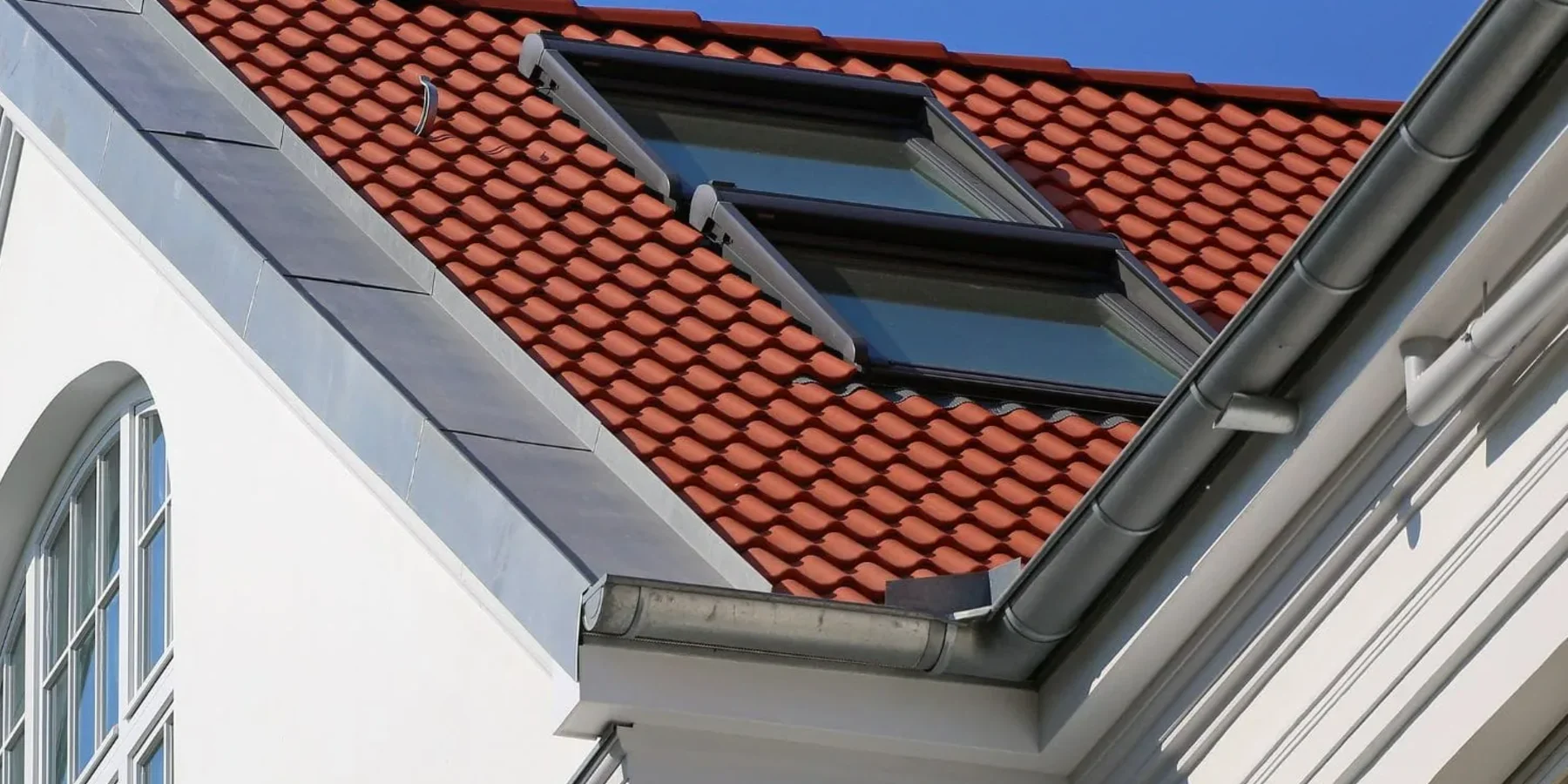
Most cedar roofs can be kept going with careful repairs, provided the cause of any decay is dealt with at the same time.
We split out the damaged shingle, cut its hidden nails with a ripper and slide in a matched replacement, fixed in the joint above. New cedar starts lighter but weathers toward the colour of the surrounding roof.
Where a leak or poor airflow has rotted a section, we lift the shingles, replace soft battens and underlay, add counter-battens if the roof has none, and relay new cedar over the repair.
Rain running off cedar is mildly acidic and can corrode unpainted ZINCALUME and shorten the life of some coated steel. We recommend spouting and flashing materials suited to timber run-off. See gutter replacement.
Cedar roofs often have timber or metal ridges and metal valleys. We renew worn valley linings and flashings in materials compatible with cedar, and rebuild ridge cappings that have split or lifted in the wind.
Penetrations through cedar need flashings in compatible metal, with shingles cut neatly around them and a small gap left for movement. We rework leaking surrounds at vents, flues and skylights. See skylight flashing replacement.
On older or protected buildings we keep the original look, matching shingle width, exposure and coursing pattern. If replacement in another material is being considered, we'll confirm consent requirements with council first.
Timber shingles bring warmth and character that no other roofing can match, but they need contractors who understand how wood behaves outdoors. Our team installs quality cedar shingles and shakes with correct spacing, fixing and underlay, allowing them to breathe and shed water properly in Wellington's damp climate. We also carry out treatment and maintenance, controlling moss, rot and UV damage so your roof keeps its good looks and lasts longer. Split, curled or decayed shingles can be replaced individually, with timber and profile matched closely. We give practical, honest advice about upkeep, so you know exactly what to expect from a timber roof over the years. Contact our local team today.
Looking after a timber roof often involves these services as well, from cleaning and ventilation to new spouting that suits cedar run-off.
Call our team if you need advice for your property or roofing project.
04 888 0115They can be, on the right roof. Cedar copes with rain and salt air, but it needs a pitch steep enough to shed water quickly, good ventilation underneath and stainless fixings. On very exposed sites, edges and ridges need extra attention against wind lift. On a sheltered, shaded site, moss control becomes the bigger task.
Dark streaks around nail heads usually mean the shingles were fixed with ordinary steel or galvanised nails. Natural extractives in cedar react with the iron, staining the timber and corroding the nail, which eventually lets shingles slip. Replacement shingles should go on with stainless steel nails, and badly affected areas may need refixing.
It depends on shade, trees and exposure. A check once a year and after major storms is a sensible habit, looking for moss build-up, split or slipped shingles and blocked valleys. Cleaning is needed when moss or debris starts holding water on the roof. Our roof cleaning service uses gentle methods suited to timber.
Often. Moss looks dramatic but the shingles underneath may still be sound. We treat and remove the growth, then probe the shingles for softness. If most are firm, targeted replacement and better ventilation can keep the roof going. If decay is widespread, replacement is the more economical path.
That depends on what matters to you. Metal needs less maintenance, while cedar gives a look that metal can't copy, and on a character home that may be the point. Changing material may need building consent, so we'll confirm with council, and we'll give you a written quote for both options if you want to compare.
Experience a top-notch roofing services wherever you are in Wellington. Get in touch with our team and will come back with you a free, no-obligation estimate for any roofing service.